Tag Archives: 20th Century

St. Mary of the Angels, Batley: One-Place Study Update – 1 to 31 August 2026 Additions

Despite the summer holidays, gorgeous weather and time off, four more posts were added to the Batley St. Mary of the Angels one-place study in August. This brings the total number to 486. One other post was updated.

I also have news of a parish history event. To mark the 75th anniversary of the Batley St. Mary of the Angels Torchlight Procession, and to celebrate our wonderful parish history, I will be giving a talk about the early history of St. Mary’s and the Irish in Batley up until around the 1880s. This will take place on: Monday 28th September in the St. Mary’s School Hall. Doors open from 6pm for tea and coffee, and the talk will start at 6.30pm. Including time for questions it will last for around 1 hour. The talk is FREE. With thanks to Father Eamonn and the school for facilitating this.

Getting back to the new post details for August, the first new post is the parish history snippets piece for August 2026. These snippets cover a variety of events and people from the parish from years gone by, and can be found in the Bulletin for Batley St Mary of the Angels and Birstall St Patrick section. Even if you have seen them on the Bulletin, it is worth checking them here as some have links to more detailed pieces I have written.
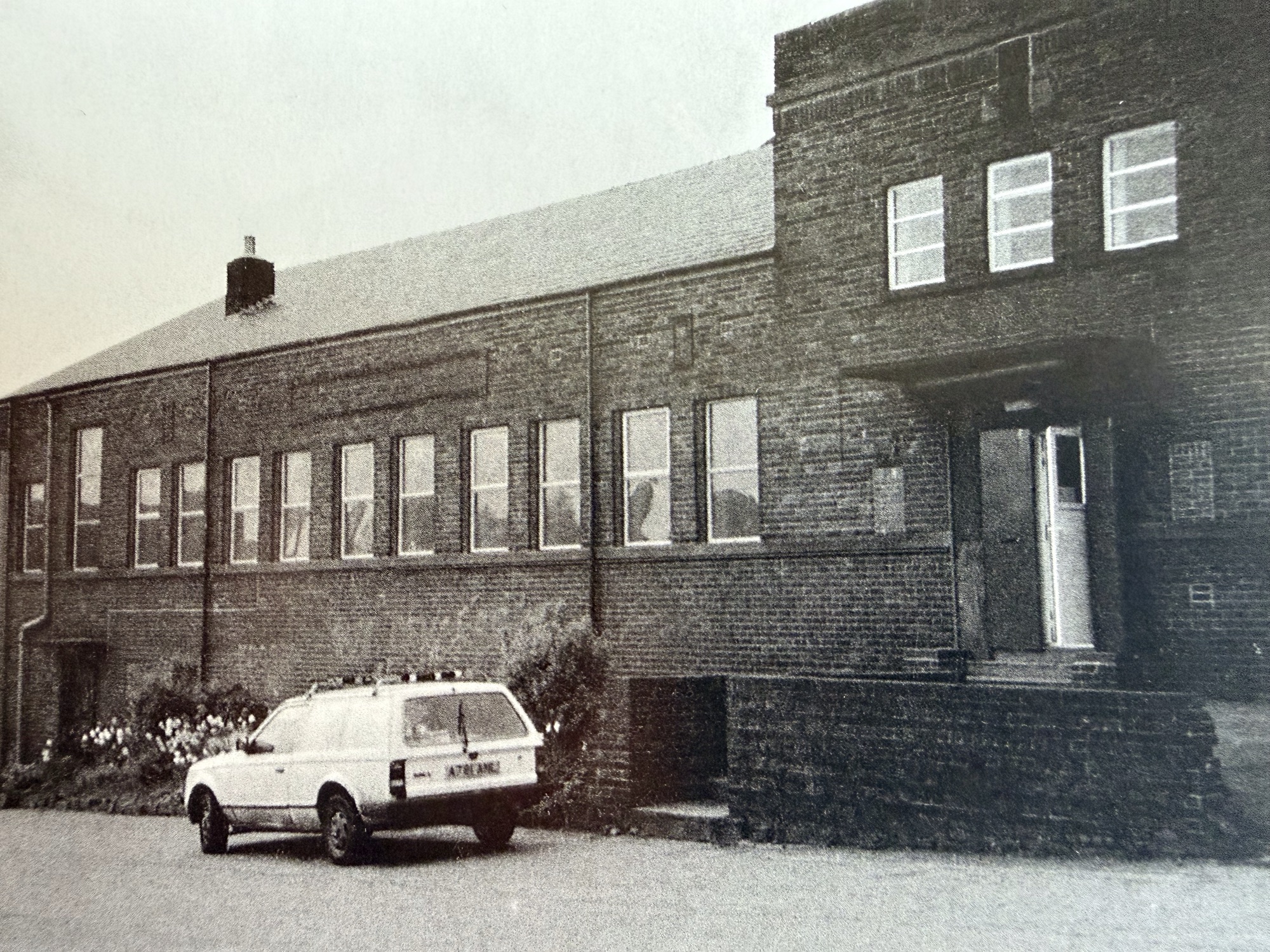
The Parochial Hall

I have added a new post about the history of a building integral to the parish community, the Parochial Hall. Parishioners across the ages have used it for wedding receptions, baptism celebrations, funeral teas, dances, sales of work, theatrical productions, torchlight procession pie and pea suppers, even school dinners. You can find out all about its early years in the Miscellany of Information section.

On the subject of theatrical productions a new post as been added to the In the Spotlight section – the 1947 St. Mary’s Amateur Operatic Society’s production of The Grand Duchess. The piece has names of many of those who played a part, either on stage or behind the scenes. There is even a cast photo. The updated post is the overall section header.

The final piece for August is a War Memorial biography, that of William Kelly who died in 1918 and is buried in Batley Cemetery,

Below is the full list of all the one-place study pieces to date. Simply click on the link and it will take you straight to the relevant page. I have annotated the *NEW* and “UPDATED” posts, so you can easily pick them out.

If you want to know the background, and what is involved in a one-place study, click here. Otherwise read on, to discover a wealth of parish, parishioner and wider local Batley history. 


Postscript:
I may not be able to thank you personally because of your contact detail confidentiality, but I do want to say how much I appreciate the donations received which have kept this website going over recent years. They really and truly have helped, and I am incredibly grateful for that support. Thank you.

The website has always been free to use, and if at all possible I want to continue this policy going forward. However, it does cost me money to operate – from undertaking the research and writing it up which can be around 20-30 hours a month, purchasing resources and documents, visiting archives, right down to website hosting costs, which given the number of photos I include pushes those costs up. It is something I have to consider going forward, given the tough economic climate and the squeeze on my family finances.

If my website has helped with your family history research, or if you have simply enjoyed reading the various pieces and looking at these photos, please do consider making a donation towards keeping the website up and running in its current open access format. No matter how small it really does help in reducing my own personal financial input, and it would be very much appreciated. 

Please click  here   be taken to the PayPal donation link. By making a donation you will be helping to keep the website online, updated with new pieces, and freely available for all. 

As a professionally qualified genealogist, if you would like me to undertake any family, local or house history research for you do please get in touch. More information can be found on my research services page.

Thank you.


Finally, if you do have any information about the parish history, or photos, please do get in touch. This includes for any of the pieces I have already written, as sourcing photos is particularly difficult.

I can be contacted at: pasttopresentgenealogy@btinternet.com


1. About my St Mary of the Angels Catholic Church War Memorial One-Place Study;

Batley’s Public Buildings and Institutions
2. Batley Hospital: The First 50 Years – 1878 to 1928 
3. The Early History of Batley’s Public Baths 

Batley St Mary’s Population, Health, Mortality and Fertility Information and Comparisons
4.  1914: The Health of Batley School Children Generally, with a Particular Focus on St Mary’s School Children

Batley Statistics and Descriptions – Population, Health, Mortality, Fertility etc.
5. 1914: Borough of Batley – Town Information from the Annual Report of the Medical Officer of Health.
6. Batley and the 1921 Census 
7. Batley Population Statistics 1801-1939

Biographies: Men Associated with St Mary’s Who Died but Who Are Not on the Memorial 
8. Thomas Gannon 
9. Michael Howley 
10. Reginald Roberts 
11. William Frederick Townsend

Biographies: The War Memorial Men
12. Edward Barber 
13. William Barber (Memorial name spelling) 
14. Herbert Booth 
15. Edmund Battye
16. Dominick (aka George) Brannan 
17. Michael Brannan 
18. John Brooks 
19. Michael Cafferty 
20. Patrick Cafferty 
21. John William Callaghan 
22. Lawrence Carney 
23. Martin Carney 
24. Thomas William Chappell 
25. William Colbeck
26.  Michael Cunningham 
27. Thomas Curley
28. Peter Doherty 
29. Thomas Dolan 
30. Thomas Donlan 
31. James Edwards 
32. John W. Enright 
33. Mathew Farrer 
34. Thomas Finneran 
35. Michael Flynn 
36. Thomas Foley D.C.M. 
37. Martin Gallagher 
38. James Garner
39. Harold Gaunt 
40. James Gavaghan 
41. Peter Gavaghan (1) 
42. Peter Gavaghan (2)
43. Thomas Gavaghan 
44. Henry Groark 
45. James Groark 
46. Michael Groark (also known as Rourke) 
47. James Griffin 
48. William Hargreaves 
49. Michael Hopkins 
50. Patrick Hopkins
51. Michael Horan
52. James Hughes 
53. Lawrence Judge 
54. William Kelly *NEW*
55. John Leech 
56. Michael Lydon
57. John Thomas Lynch 
58. Patrick Lyons 
William McManus – See William Townsend below
59. Thomas McNamara 
60. Clement Manning 
61. Patrick Naifsey 
62. Austin Nolan 
63. Robert Randerson 
64. James Rush 
65. Moses Stubley 
66. William Townsend, also known as McManus
67. James Trainor 
68. Richard Carroll Walsh
69. Arthur William Bayldon Woodhead

Biographies: Those who Served and Survived (this includes a list of those identified to date and who will later have dedicated biographical pages) 
70. Patrick Cassidy 
71. James Delaney
72. Thomas Donlan (senior) 
73. Thomas Gannon 
74. Michael Rush 

Burials, Cemeteries, Headstones and MIs
75. Cemetery and Memorial Details  
76. War Memorial Chronology of Deaths 

During This Week
77. During This Week Newspaper Index 
78. 1914, 8 August – Batley News 
79. 1914, 15 August – Batley News 
80. 1914, 22 August – Batley News 
81. 1914, 29 August – Batley News 
82. 1914, 5 September – Batley News 
83. 1914, 12 September – Batley News 
84. 1914, 19 September – Batley News 
85. 1914, 26 September – Batley News 
86. 1914, 3 October – Batley News 
87. 1914, 10 October – Batley News 
88. 1914, 17 October – Batley News 
89. 1914, 24 October – Batley News 
90. 1914, 31 October – Batley News 
91. 1914, 7 November – Batley News 
92. 1914, 14 November – Batley News 
93. 1914, 21 November – Batley News 
94. 1914, 28 November – Batley News
95. 1914, 5 December – Batley News 
96. 1914, 12 December – Batley News 
97. 1914, 19 December – Batley News 
98. 1914, 24 December – Batley News 
99. 1915, 2 January – Batley News 
100. 1915, 9 January – Batley News 
101. 1915, 16 January – Batley News 
102. 1915, 23 January – Batley News 
103. 1915, 30 January – Batley News 
104. 1915, 6 February – Batley News 
105. 1915, 13 February – Batley News 
106. 1915, 20 February – Batley News 
107. 1915, 27 February – Batley News 
108. 1915, 6 March – Batley News 
109. 1915, 13 March – Batley News 
110. 1915, 20 March – Batley News 
111. 1915, 27 March – Batley News 
112. 1915, 3 April – Batley News 
113. 1915, 10 April – Batley News 
114. 1915, 17 April – Batley News 
115. 1915, 24 April – Batley News 
116. 1915, 1 May – Batley News 
117. 1915, 8 May – Batley News 
118. 1915, 15 May – Batley News 
119. 1915, 22 May – Batley News 
120. 1915, 29 May – Batley News 
121. 1915, 5 June – Batley News 
122. 1915, 12 June – Batley News 
123. 1915, 19 June – Batley News 
124. 1915, 26 June – Batley News 
125. 1915, 3 July – Batley News 
126. 1915, 10 July – Batley News 
127. 1915, 17 July – Batley News 
128. 1915, 24 July – Batley News 
129. 1915, 31 July – Batley News 
130. 1915, 7 August – Batley News 
131. 1915, 14 August – Batley News 
132. 1915, 21 August – Batley News 
133. 1915, 28 August – Batley News 
134. 1915, 4 September – Batley News 
135. 1915, 11 September – Batley News 
136. 1915, 18 September – Batley News 
137. 1915, 25 September – Batley News 
138. 1915, 2 October – Batley News 
139. 1915, 9 October – Batley News 
140. 1915, 16 October – Batley News 
141. 1915, 23 October – Batley News 
142. 1915, 30 October – Batley News 
143. 1915, 6 November – Batley News 
144. 1915, 13 November – Batley News 
145. 1915, 20 November – Batley News 
146. 1915, 27 November – Batley News 
147. 1915, 4 December – Batley News 
148. 1915, 11 December – Batley News
149. 1915, 18 December – Batley News 
150. 1915, 23 December – Batley News 
151. 1916, 1 January – Batley News 
152. 1916, 8 January – Batley News 
153. 1916, 15 January – Batley News 
154. 1916, 22 January – Batley News 
155. 1916, 29 January – Batley News 
156. 1916, 5 February – Batley News 
157. 1916, 12 February – Batley News 
158. 1916, 19 February – Batley News 
159. 1916, 26 February – Batley News 
160. 1916, 4 March – Batley News 
161. 1916, 11 March – Batley News 
162. 1916, 18 March – Batley News 
163. 1916, 25 March – Batley News 
164. 1916, 1 April – Batley News 
165. 1916, 8 April – Batley News 
166. 1916, 15 April – Batley News 
167. 1916, 22 April – Batley News 
168. 1916, 29 April – Batley News 
169. 1916, 6 May – Batley News 
170. 1916, 13 May – Batley News
171. 1916, 20 May – Batley News 
172. 1916, 27 May – Batley News
173. 1916, 3 June – Batley News 
174. 1916, 10 June – Batley News 
175. 1916, 17 June – Batley News 
176. 1916, 24 June – Batley News 
177. 1916, 1 July – Batley News 
178. 1916, 8 July – Batley News 
179. 1916, 15 July – Batley News 
180. 1916, 22 July – Batley News 
181. 1916, 29 July – Batley News 
182. 1916, 5 August – Batley News
183. 1916, 12 August – Batley News
184. 1916, 19 August – Batley News 
185. 1916, 26 August – Batley News
186. 1916, 2 September – Batley News 
187. 1916, 9 September – Batley News
188. 1916, 16 September – Batley News 
189. 1916, 23 September – Batley News 
190. 1916, 30 September – Batley News 
191. 1916, 7 October – Batley News
192. 1916, 14 October – Batley News 
193. 1916, 21 October – Batley News
194. 1916, 28 October – Batley News 
195. 1916, 4 November – Batley News
196. 1916, 11 November – Batley News
197. 1916, 18 November – Batley News
198. 1916, 25 November – Batley News 
199. 1916, 2 December – Batley News 
200. 1916, 9 December – Batley News 
201. 1916, 16 December – Batley News 
202. 1916, 23 December – Batley News 
203. 1916, 30 December – Batley News 
204. 1917, 6 January – Batley News 
205. 1917, 13 January – Batley News 
206. 1917, 20 January – Batley News 
207. 1917, 27 January – Batley News
209. 1917, 3 February – Batley News 
210. 1917, 10 February – Batley News 
211. 1917, 17 February – Batley News 
210. 1917, 24 February – Batley News 
212. 1917, 3 March – Batley News
213. 1917, 10 March – Batley News 
214. 1917, 17 March – Batley News 
215. 1917, 24 March – Batley News 
216. 1917, 31 March – Batley News
217. 1917, 7 April – Batley News 
218. 1917, 14 April – Batley News 
219. 1917, 21 April – Batley News 
220. 1917, 28 April – Batley News 
221. 1917, 5 May – Batley News 
222. 1917, 12 May – Batley News 
223. 1917, 19 May – Batley News 
224. 1917, 26 May – Batley News 
225. 1917, 2 June – Batley New
226. 1917, 9 June – Batley News
227. 1917, 16 June – Batley News
228. 1917, 23 June – Batley News
229. 1917, 30 June – Batley News
230. 1917, 7 July – Batley News
231. 1917, 14 July – Batley News 
232. 1917, 21 July – Batley News 
233. 1917, 28 July – Batley News 
234. 1917, 4 August – Batley News 
235. 1917, 11 August – Batley News 
236. 1917, 18 August – Batley News 
237. 1917, 25 August – Batley News 
238. 1917, 1 September – Batley News 
239. 1917, 8 September – Batley News 
240. 1917, 15 September – Batley News 
241. 1917, 22 September – Batley News 
242. 1917, 29 September– Batley News 
243.  1917, 6 October – Batley News 
244. 1917, 13 October – Batley News
245. 1917, 20 October – Batley News
246. 1917, 27 October – Batley News 
247. 1917, 3 November – Batley News
248. 1917, 10 November – Batley News
249. 1917, 17 November – Batley News 
250. 1917, 24 November – Batley News 
251. 1917, 1 December – Batley News 
252. 1917, 8 December – Batley News 
253. 1917, 15 December – Batley News 
254. 1917, 22 December – Batley News 
255. 1917, 29 December – Batley News 
256. 1918, 5 January – Dewsbury District News 
257. 1918, 12 January – Dewsbury District News 
258 1918, 19 January – Batley News 
259. 1918, 26 January – Batley News
260. 1918, 2 February – Batley News 
261. 1918, 9 February – Batley News 
262. 1918, 16 February – Batley News 
263. 1918, 23 February – Batley News 
264. 1918, 2 March – Batley News 
265 1918, 9 March – Batley News 
266. 1918, 16 March – Batley News 
267. 1918, 23 March – Batley News 
268. 1918, 30 March – Batley News 
269. 1918, 6 April – Batley News 
270. 1918, 13 April – Batley News 
271. 1918, 20 April – Batley News 
272. 1918, 27 April – Batley News 
273. 1918, 4 May – Batley News
274. 1918, 11 May – Batley News 
275. 1918, 18 May – Batley News 
276. 1918, 25 May – Batley News 
277. 1918, 1 June – Batley News 
278. 1918, 8 June – Batley News 
279. 1918, 15 June – Batley News 
280. 1918, 22 June – Batley News
281. 1918, 29 June – Batley News 
282. 1918, 6 July – Batley News 
283. 1918, 13 July – Batley News 
284. 1918, 20 July – Batley News
285. 1918, 27 July – Batley News
286. 1918, 3 August – Batley News 
287. 1918, 10 August – Batley News 
288. 1918, 17 August – Batley News 
289. 1918, 24 August – Batley News 
290. 1918, 31 August – Batley News 
291. 1918, 7 September – Batley News 
292. 1918, 14 September – Batley News 
293. 1918, 21 September – Batley News 
294. 1918, 28 September – Batley News 
295. 1918, 5 October – Batley News 
296. 1918, 12 October – Batley News 
297. 1918, 19 October – Batley News 
298. 1918, 26 October – Batley News 
299. 1918, 2 November – Batley News 
300. 1918, 9 November – Batley News 
301. 1918, 16 November – Batley News 
302. 1918, 23 November – Batley News 
303. 1918, 30 November – Batley News 
304. 1918, 7 December – Batley News 
305. 1918, 14 December – Batley News 
306. 1918, 21 December – Batley News 
307. 1918, 28 December – Batley News 

Electoral Registers 1918-1921 
308. 1918 Batley Electoral Register, North Ward, Polling Districts A and B – Naval and Military Voters

Guest Contributions
309. Memories of Skelsey Row – by Brian Foley 

In the Spotlight: Am Dram, Opera and Concerts *UPDATED*
310. 1901 – St. Mary’s Schools’ St. Patrick’s Day Concert 
311. 1947 – “The Grand Duchess” by St. Mary’s Amateur Operatic Society *NEW*
312. 1948 – St. Mary’s Amateur Operatic Society Presents “Our Miss Gibbs”
313. 1952 – The Bohemian Girl, St. Mary’s Schoolboys 
314. The St Mary’s Amateur Operatic Society 1950 Production of The Gondoliers
315. The 1951 St Mary’s School Production of Maritana for Fr. O’Brien 

Maps and Photographs
316. A Description of the Parish Boundaries 
317. Aerial View of St Mary’s Church and the Surrounding Streets 
318. Batley St Mary’s – Map Published in 1894 
319. Batley St Mary’s – Map Published in 1907 
320. Batley St Mary’s – Map Published in 1922 
321. Batley St Mary’s – Map Published in 1933 

Miscellany of Information
322. A Tale of Three Pigs, a Headstone and The Longest-Lived Parishioner
323. A Bitter-Sweet Remarriage 
324. A Colliery Accident with Tragic Consequences
325. A Description of the Parish of St Mary of the Angels in 1950 
326. A Grave Disturbance in Batley 
327. A Part of St Mary of the Angels in Batley Cemetery 
328. A “Peace” of Batley History
329. An Appeal to Ireland to Build a Catholic Church in Batley 
330. A Potted Early History of the Irish in Batley, the Building of St Mary of the Angels Church, and the Parish Priest’s Fatal Accident 
331. A St Mary’s Parishioner in the Holy Land 
332. A St Mary’s School Sensation
333. A St Mary’s School Trip Souvenir 
334. Batley’s Secret Irish Society and the Ammunition Seizure 
335. Batley St Mary’s First Torchlight Procession 
336. Batley St Mary’s Second Torchlight Procession 
337. Buffalo Bill and A Right Royal Celebration for Batley’s Schoolchildren
338. “Daddy’s Death and then Triplets” 
339. Heritage Impact Assessment: St Mary’s Catholic Primary School and Convent, Batley 
340. Hot-Cross Buns and the Yorkshire Tea-Cake Dilemma. Plus A Suggested Meal Planner for Batley Families in 1917 
341. Into the Valley of Death – One of the Six Hundred
341. Is Your Female Ancestor Amongst Those Invited to the 1915 Event for Wives and Mothers?
343. “I’ve Done it for Love” – A Batley Murder 
344. St Mary of the Angels Catholic Church – 1929 Consecration Service
345. The Building of the Parochial Hall *NEW*
346. The Consequences of a Refusal to Work in 1918
347. The Controversial Role Played by St Mary’s Schoolchildren in the 1907 Batley Pageant
348. The Deaths of the Smallpox Hospital Caretakers 
349. The Debate Over Grave-Diggers’ Holidays 
350. The Earliest Published Account of Batley St Mary’s Church and Schools 
351. The Great War: A Brief Overview of What Led Britain into the War 
352. The Horrific Death of Little Mary Leach 
353. The Unholy row between St Mary’s Church and the Batley and Birstall Irish Clubs 
354. Thomas Ate My Rat 
355. William Berry – A Beautiful Voice Stilled 
356. Willie and Edward Barber – Poems

Occupations and Employment Information
357. Occupations: Colliery Byeworker/Byeworkman/Byworker/Bye-Worker/By-Worker 
358. Occupations: Confidential Clerk 
359. Occupations: Lamp Cleaner 
360. Occupations: Limelight Operator 
361. Occupations: Mason’s Labourer 
362. Occupations: Office Boy/Girl 
363. Occupations: Piecer/Piecener 
364. Occupations: Rag Grinder 
365. Occupations: Willeyer

School Log Books 
366. Boys’ School – Log Book, 1913 
367. Boys’ School – Log Book, 1914 
368. Boys’ School – Log Book, 1915 
369. Boys’ School – Log Book, 1916 
370. Boys’ School – Log Book, 1917 
371. Boys’ School – Log Book, 1918 
372. Boys’ School – Log Book, 1919 
373. Boys’ School – Log Book, 1920 
374. Infant School – Log Book, 1913 
375. Infant School – Log Book, 1914
376. Infant School – Log Book, 1915
377. Infant School – Log Book, 1916 
378. Infant School – Log Book, 1917
379. Infant School – Log Book, 1918 
380. Infant School – Log Book, 1919 
381. Infant School – Log Book, 1920 
382. Mixed Department – Log Book, 1913 
383. Mixed Department – Log Book, 1914 
384. Mixed Department – Log Book, 1915 
385. Mixed Department – Log Book, 1916 
386. Mixed Department – Log Book, 1917
387. Mixed Department – Log Book, 1918 
388. Mixed Department – Log Book, 1919
389. Mixed Department- Log Book 1920

School Photos 
390. Photo No1 
391. Photo No2 
392. Photo No3 
393. Photo No4 
394. Photo No5 
395. Photo No6 
396. Photo No7 
397. Photo No8 
398. Photo No9 
399. Photo No10
400. Photo No11 
401. Photo No12 
402. Photo No13 
403. Photo No14 
404. Photo No15 
405. Photo No16 
406. Photo No17 
407. Photo No18 
408. Photo No19 
409. Photo No20 
410. Photo No21 
411. Photo No22 
412. Photo No23 
413. Photo No24 
414. Photo No25 
415. Photo No26 
416. Photo No27 
417. Photo No28 
418. Photo No29 
419. Photo No30 
420. Photo No31 
421. Photo No32 
422. Photo No33 
423. Photo No34 
424. Photo No35 
425. Photo No36 
426. Photo No37 
427. Photo No38 
428. Photo No39 
429. Photo No40 

The Bulletin of St Mary of the Angels and Birstall St Patrick – Parish History Section 
430. March 2024 Bulletin History Pieces 
431. April 2024 Bulletin History Pieces
432. May 2024 Bulletin History Pieces 
433. June 2024 Bulletin History Pieces 
434. July 2024 Bulletin History Pieces
435. August 2024 Bulletin History Pieces 
436. September 2024 Bulletin History Pieces 
437. October 2024 Bulletin History Pieces 
438. November 2024 Bulletin History Pieces 
439. December 2024 Bulletin History Pieces 
440. January 2024 Bulletin History Pieces 
441. February 2025 Bulletin History Pieces 
442. March 2025 Bulletin History Pieces 
443. April 2025 Bulletin History Pieces 
444. May 2025 Bulletin History Pieces 
445. June 2025 Bulletin History Pieces 
446. July 2025 Bulletin History Pieces 
447. August 2025 Bulletin History Pieces 
448. September 2025 Bulletin History Pieces 
449. October 2025 Bulletin History Pieces 
450. November 2025 Bulletin History Pieces 
451. December 2025 Bulletin History Pieces 
452. January 2026 Bulletin History Pieces 
453. February 2026 Bulletin History Pieces
454. March 2026 Bulletin History Pieces
455. April 2026 Bulletin History Pieces 
456. May 2026 Bulletin History Pieces 
457. June 2026 Bulletin History Pieces
458. July 2026 Bulletin History Pieces 
459. August 2026 Bulletin History Pieces *NEW*

The Families
460. A Death in the Church
461. St Mary’s Schoolboys Wreak Havoc in a Batley Graveyard

The May Queens of Batley St Mary of the Angels 
462. 1922 May Queen: Phyllis Doyle 
463 1923 May Queen: Katherine Phillips 
464. 1925 May Queen: Agnes Judge 
465. 1929 May Queen: Mary Collins 
466. 1930 May Queen: Eileen Hutton Pt1 
467. Eileen Hutton Pt 2, The Death of the Ex-May Queen 
468. 1931 May Queen Ceremony: Theresa Judge 
469. 1932 May Queen Ceremony: Agnes Kilgallon 
470. 1933 May Queen Ceremony: Winnie Colleran 
471. 1934 May Queen Ceremony: Josephine Lynch 
472. 1939 May Queen Ceremony: Kathleen Gooder 
473. 1940 May Queen Ceremony: Sheila Rowan 
474. 1941 May Queen Ceremony 
475. 1949 May Queen Ceremony: Moya Hill 
476. 1950 May Queen Ceremony: Catherine Heaps
477. 1951 May Queen Ceremony: Mary Harkin 
478. 1952 May Queen Ceremony: Patricia Anne Cain 
479. 1953 May Queen Ceremony: Mary O’Connor 

World War Two 
480. World War Two Chronology of Deaths 
481. Thomas Egan
482. Michael Flatley
483. Frank Higgins 
484. Edward Lynch 
485. William Smith
486. Bernard Stenchion

St Mary of the Angels, Batley: One-Place Study Update – 1 to 31 October 2025 Additions

Because of work commitments, during October 2025 only one new post was added to the Batley St Mary of the Angels One-Place Study, bringing the total number of posts to 415.

This new post was the parish history snippets piece for October 2025. These snippets cover a variety of events and people from the parish from years gone by, and can be found in the Bulletin for Batley St Mary of the Angels and Birstall St Patrick section. Even if you have seen them on the Bulletin, it is worth checking them here as some have links to more detailed pieces I have written.

One of the reason for the lack of additions this month is because in November and December I’m giving a series of talks to various organisations. These include an online talk on 11 November 2025 to the Society of One-Place Studies about the early history of the Irish in Batley, and the parish of Batley St Mary of the Angels up until around the 1880s. This is restricted to members of the Society. However, on Monday 24 November I will be giving more or less the same talk at the Batley History Group meeting in Batley Town Hall. This starts with refreshments at 7pm, with the talk commencing at 7.30pm. It is open to both members (£2) and non-members (£4). So, perhaps I will see some of you there. More details about this, and Batley History Group’s other meetings in 2025/26 can be found here.

James Harkin, Batley’s 1st Catholic Mayor​

I also have a special thank you this month for someone who has sent me a lovely letter and some photos of James Harkin, Batley’s first Catholic mayor – one of which is included in this piece. I don’t have her contact details to thank her personally, so hopefully she will read my thank you here.

Below is the full list of pages to date. I have annotated the *NEW* posts, so you can easily pick these out. Click on the link and it will take you straight to the relevant page.

If you want to know the background, and what is involved in a one-place study, click here. Otherwise read on, to discover a wealth of parish, parishioner and wider local Batley history. 


Postscript:
I may not be able to thank you personally because of your contact detail confidentiality, but I do want to say how much I appreciate the donations already received to keep this website going. They really and truly do help. Thank you.

The website has always been free to use, and I want to continue this policy in the future. However, it does cost me money to operate – from undertaking the research to website hosting costs. In the current difficult economic climate I do have to regularly consider if I can afford to continue running it as a free resource. 

If you have enjoyed reading the various pieces, and would like to make a donation towards keeping the website up and running in its current open access format, it would be very much appreciated. 

Please click 👉🏻here👈🏻 be taken to the PayPal donation link. By making a donation you will be helping to keep the website online and freely available for all. 

Thank you.

As a professionally qualified genealogist, if you would like me to undertake any family, local or house history research for you do please get in touch. More information can be found on my research services page.


Finally, if you do have any information about, or photos of, parishioners from the period of the First World War please do get in touch. It does not have to be War Memorial men. It could be those who served and survived, or indeed any other men, women and children from the parish. 

I would also be interested in information about, and photos of, those parishioners who were killed in World War Two, or others from the parish who undertook any war service and survived. This can be as broad as serving in the military, or work in munitions factories, the Land Army, even taking in refugees. This is an area I’m looking to develop in the future.

I can be contacted at: pasttopresentgenealogy@btinternet.com


1. About my St Mary of the Angels Catholic Church War Memorial One-Place Study;

Batley’s Public Buildings and Institutions
2. Batley Hospital: The First 50 Years – 1878 to 1928 
3. The Early History of Batley’s Public Baths 

Batley St Mary’s Population, Health, Mortality and Fertility Information and Comparisons
4.  1914: The Health of Batley School Children Generally, with a Particular Focus on St Mary’s School Children

Batley Statistics and Descriptions – Population, Health, Mortality, Fertility etc.
5. 1914: Borough of Batley – Town Information from the Annual Report of the Medical Officer of Health.
6. Batley and the 1921 Census 
7. Batley Population Statistics 1801-1939

Biographies: Men Associated with St Mary’s Who Died but Who Are Not on the Memorial 
8. Thomas Gannon 
9. Reginald Roberts 
10. William Frederick Townsend

Biographies: The War Memorial Men
11. Edward Barber 
12. William Barber (Memorial name spelling) 
13. Herbert Booth 
14. Edmund Battye
15. Dominick (aka George) Brannan 
16. Michael Brannan 
17. John Brooks 
18. Michael Cafferty 
19. Patrick Cafferty 
20. John William Callaghan 
21. Lawrence Carney 
22. Martin Carney 
23. Thomas William Chappell 
24. William Colbeck
25.  Michael Cunningham 
26. Thomas Curley
27. Peter Doherty 
28. Thomas Dolan 
29. Thomas Donlan 
30. John W. Enright 
31. Mathew Farrer 
32. Thomas Finneran 
33. Michael Flynn 
34. Thomas Foley D.C.M. 
35. Martin Gallagher 
36. James Garner
37. Harold Gaunt 
38. James Gavaghan 
39. Peter Gavaghan 
40. Thomas Gavaghan 
41. Henry Groark 
42. James Groark 
43. Michael Groark (also known as Rourke) 
44. James Griffin 
45. William Hargreaves 
46. Michael Hopkins 
47. Patrick Hopkins
48. Michael Horan
49. James Hughes 
50. Lawrence Judge 
51. John Leech 
52. Michael Lydon
53. John Thomas Lynch 
54. Patrick Lyons 
William McManus – See William Townsend below
55. Thomas McNamara 
56. Clement Manning 
57. Patrick Naifsey 
58. Austin Nolan 
59. Robert Randerson 
60. James Rush 
61. Moses Stubley 
62. William Townsend, also known as McManus
63. James Trainor 
64. Richard Carroll Walsh
65. Arthur William Bayldon Woodhead

Biographies: Those who Served and Survived (this includes a list of those identified to date and who will later have dedicated biographical pages)
65. Patrick Cassidy 
67. James Delaney
68. Thomas Donlan (senior) 
69. Thomas Gannon 
70. Michael Rush 

Burials, Cemeteries, Headstones and MIs
71. Cemetery and Memorial Details 
72. War Memorial Chronology of Deaths .

During This Week
73. During This Week Newspaper Index 
74. 1914, 8 August – Batley News 
75. 1914, 15 August – Batley News 
76. 1914, 22 August – Batley News 
77. 1914, 29 August – Batley News 
78. 1914, 5 September – Batley News 
79. 1914, 12 September – Batley News 
80. 1914, 19 September – Batley News 
81. 1914, 26 September – Batley News 
82. 1914, 3 October – Batley News 
83. 1914, 10 October – Batley News 
84. 1914, 17 October – Batley News 
85. 1914, 24 October – Batley News 
86. 1914, 31 October – Batley News 
87. 1914, 7 November – Batley News 
88. 1914, 14 November – Batley News 
89. 1914, 21 November – Batley News 
90. 1914, 28 November – Batley News
91. 1914, 5 December – Batley News 
92. 1914, 12 December – Batley News 
93. 1914, 19 December – Batley News 
94. 1914, 24 December – Batley News 
95. 1915, 2 January – Batley News 
96. 1915, 9 January – Batley News 
97. 1915, 16 January – Batley News 
98. 1915, 23 January – Batley News 
99. 1915, 30 January – Batley News 
100. 1915, 6 February – Batley News 
101. 1915, 13 February – Batley News 
102. 1915, 20 February – Batley News 
103. 1915, 27 February – Batley News 
104. 1915, 6 March – Batley News 
105. 1915, 13 March – Batley News 
106. 1915, 20 March – Batley News 
107. 1915, 27 March – Batley News 
108. 1915, 3 April – Batley News 
109. 1915, 10 April – Batley News 
110. 1915, 17 April – Batley News 
111. 1915, 24 April – Batley News 
112. 1915, 1 May – Batley News 
113. 1915, 8 May – Batley News 
114. 1915, 15 May – Batley News 
115. 1915, 22 May – Batley News 
116. 1915, 29 May – Batley News 
117. 1915, 5 June – Batley News 
118. 1915, 12 June – Batley News 
119. 1915, 19 June – Batley News 
120. 1915, 26 June – Batley News 
121. 1915, 3 July – Batley News 
122. 1915, 10 July – Batley News 
123. 1915, 17 July – Batley News 
124. 1915, 24 July – Batley News 
125. 1915, 31 July – Batley News 
126. 1915, 7 August – Batley News 
127. 1915, 14 August – Batley News 
128. 1915, 21 August – Batley News 
129. 1915, 28 August – Batley News 
130. 1915, 4 September – Batley News 
131. 1915, 11 September – Batley News 
132. 1915, 18 September – Batley News 
133. 1915, 25 September – Batley News 
134. 1915, 2 October – Batley News 
135. 1915, 9 October – Batley News 
136. 1915, 16 October – Batley News 
137. 1915, 23 October – Batley News 
138. 1915, 30 October – Batley News 
139. 1915, 6 November – Batley News 
140. 1915, 13 November – Batley News 
141. 1915, 20 November – Batley News 
142. 1915, 27 November – Batley News 
143. 1915, 4 December – Batley News 
144. 1915, 11 December – Batley News
145. 1915, 18 December – Batley News 
146. 1915, 23 December – Batley News 
147. 1916, 1 January – Batley News 
148. 1916, 8 January – Batley News 
149. 1916, 15 January – Batley News 
150. 1916, 22 January – Batley News 
151. 1916, 29 January – Batley News 
152. 1916, 5 February – Batley News 
153. 1916, 12 February – Batley News 
154. 1916, 19 February – Batley News 
155. 1916, 26 February – Batley News 
156. 1916, 4 March – Batley News 
157. 1916, 11 March – Batley News 
158. 1916, 18 March – Batley News 
159. 1916, 25 March – Batley News 
160. 1916, 1 April – Batley News 
161. 1916, 8 April – Batley News 
162. 1916, 15 April – Batley News 
163. 1916, 22 April – Batley News 
164. 1916, 29 April – Batley News 
165. 1916, 6 May – Batley News 
166. 1916, 13 May – Batley News
167. 1916, 20 May – Batley News 
168. 1916, 27 May – Batley News
169. 1916, 3 June – Batley News 
170. 1916, 10 June – Batley News 
171. 1916, 17 June – Batley News 
172. 1916, 24 June – Batley News 
173. 1916, 1 July – Batley News 
174. 1916, 8 July – Batley News 
175. 1916, 15 July – Batley News 
176. 1916, 22 July – Batley News 
177. 1916, 29 July – Batley News 
178. 1916, 5 August – Batley News
179. 1916, 12 August – Batley News
180. 1916, 19 August – Batley News 
181. 1916, 26 August – Batley News
182. 1916, 2 September – Batley News 
183. 1916, 9 September – Batley News
184. 1916, 16 September – Batley News 
185. 1916, 23 September – Batley News 
186. 1916, 30 September – Batley News 
187. 1916, 7 October – Batley News
188. 1916, 14 October – Batley News 
189. 1916, 21 October – Batley News
190. 1916, 28 October – Batley News 
191. 1916, 4 November – Batley News
192. 1916, 11 November – Batley News
193. 1916, 18 November – Batley News
194. 1916, 25 November – Batley News 
195. 1916, 2 December – Batley News 
196. 1916, 9 December – Batley News 
197. 1916, 16 December – Batley News 
198. 1916, 23 December – Batley News 
199. 1916, 30 December – Batley News 
200. 1917, 6 January – Batley News 
201. 1917, 13 January – Batley News 
202. 1917, 20 January – Batley News 
203. 1917, 27 January – Batley News
204. 1917, 3 February – Batley News 
205. 1917, 10 February – Batley News 
206. 1917, 17 February – Batley News 
207. 1917, 24 February – Batley News 
208. 1917, 3 March – Batley News
209. 1917, 10 March – Batley News 
210. 1917, 17 March – Batley News 
211. 1917, 24 March – Batley News 
212. 1917, 31 March – Batley News
213. 1917, 7 April – Batley News 
214. 1917, 14 April – Batley News 
215. 1917, 21 April – Batley News 
216. 1917, 28 April – Batley News 
217. 1917, 5 May – Batley News 
218. 1917, 12 May – Batley News 
219. 1917, 19 May – Batley News 
220. 1917, 26 May – Batley News 
221. 1917, 2 June – Batley New
222. 1917, 9 June – Batley News
223. 1917, 16 June – Batley News
224. 1917, 23 June – Batley News
225. 1917, 30 June – Batley News
226. 1917, 7 July – Batley News
227. 1917, 14 July – Batley News 
228. 1917, 21 July – Batley News 
229. 1917, 28 July – Batley News 
230. 1917, 4 August – Batley News 
231. 1917, 11 August – Batley News 
232. 1917, 18 August – Batley News 
233. 1917, 25 August – Batley News 
234. 1917, 1 September – Batley News 
235. 1917, 8 September – Batley News 
236. 1917, 15 September – Batley News 
237. 1917, 22 September – Batley News 
238. 1917, 29 September– Batley News 
239.  1917, 6 October – Batley News 
240. 1917, 13 October – Batley News
241. 1917, 20 October – Batley News
242. 1917, 27 October – Batley News 
243. 1917, 3 November – Batley News
244. 1917, 10 November – Batley News
245. 1917, 17 November – Batley News 
246. 1917, 24 November – Batley News 
247. 1917, 1 December – Batley News 
248. 1917, 8 December – Batley News 
249. 1917, 15 December – Batley News 
250. 1917, 22 December – Batley News 
251. 1917, 29 December – Batley News 
252. 1918, 5 January – Dewsbury District News 
252. 1918, 12 January – Dewsbury District News 
254. 1918, 19 January – Batley News 
255. 1918, 26 January – Batley News
256. 1918, 2 February – Batley News 
257. 1918, 9 February – Batley News 
258. 1918, 16 February – Batley News 
259. 1918, 23 February – Batley News 
260. 1918, 2 March – Batley News 
261 1918, 9 March – Batley News 
262. 1918, 16 March – Batley News 
263. 1918, 23 March – Batley News 
264. 1918, 30 March – Batley News 
265. 1918, 6 April – Batley News 
266. 1918, 13 April – Batley News 
267. 1918, 20 April – Batley News 
268. 1918, 27 April – Batley News 
269. 1918, 4 May – Batley News
270. 1918, 11 May – Batley News 
271. 1918, 18 May – Batley News 
272. 1918, 25 May – Batley News 
273. 1918, 1 June – Batley News 
274. 1918, 8 June – Batley News 
275. 1918, 15 June – Batley News 
276. 1918, 22 June – Batley News
277. 1918, 29 June – Batley News 
278. 1918, 6 July – Batley News 
279. 1918, 13 July – Batley News 
280. 1918, 20 July – Batley News
281. 1918, 27 July – Batley News
282. 1918, 3 August – Batley News 
283. 1918, 10 August – Batley News 
284. 1918, 17 August – Batley News 
285. 1918, 24 August – Batley News 
286. 1918, 31 August – Batley News 
287. 1918, 7 September – Batley News 
288. 1918, 14 September – Batley News 
289. 1918, 21 September – Batley News 
290. 1918, 28 September – Batley News 
291. 1918, 5 October – Batley News 
292. 1918, 12 October – Batley News 
293. 1918, 19 October – Batley News 
294. 1918, 26 October – Batley News 
295. 1918, 2 November – Batley News 
296. 1918, 9 November – Batley News 
297. 1918, 16 November – Batley News 
298. 1918, 23 November – Batley News 
299. 1918, 30 November – Batley News 
300. 1918, 7 December – Batley News 
301. 1918, 14 December – Batley News 
302. 1918, 21 December – Batley News 
303. 1918, 28 December – Batley News 

Electoral Registers 1918-1921 
304. 1918 Batley Electoral Register, North Ward, Polling Districts A and B – Naval and Military Voters

Guest Contributions
305. Memories of Skelsey Row – by Brian Foley 

Maps and Photographs
306. A Description of the Parish Boundaries 
307. Aerial View of St Mary’s Church and the Surrounding Streets 
308. Batley St Mary’s – Map Published in 1894 
309. Batley St Mary’s – Map Published in 1907 
310. Batley St Mary’s – Map Published in 1922 
311. Batley St Mary’s – Map Published in 1933 

Miscellany of Information
312. A Bitter-Sweet Remarriage 
313. A Colliery Accident with Tragic Consequences
314. A Description of the Parish of St Mary of the Angels in 1950 
315. A Grave Disturbance in Batley 
316. A Part of St Mary of the Angels in Batley Cemetery 
317. A “Peace” of Batley History
318. An Appeal to Ireland to Build a Catholic Church in Batley 
319. A Potted Early History of the Irish in Batley, the Building of St Mary of the Angels Church, and the Parish Priest’s Fatal Accident 
320. A St Mary’s Parishioner in the Holy Land 
321. A St Mary’s School Sensation
322. A St Mary’s School Trip Souvenir 
323. Batley’s Secret Irish Society and the Ammunition Seizure 
324. Batley St Mary’s First Torchlight Procession 
325. Batley St Mary’s Second Torchlight Procession 
326. “Daddy’s Death and then Triplets” 
327. Heritage Impact Assessment: St Mary’s Catholic Primary School and Convent, Batley 
328. Hot-Cross Buns and the Yorkshire Tea-Cake Dilemma. Plus A Suggested Meal Planner for Batley Families in 1917 
329. Into the Valley of Death – One of the Six Hundred
330. “I’ve Done it for Love” – A Batley Murder 
331. St Mary of the Angels Catholic Church – 1929 Consecration Service
332. The Consequences of a Refusal to Work in 1918
333. The Controversial Role Played by St Mary’s Schoolchildren in the 1907 Batley Pageant
334. The Deaths of the Smallpox Hospital Caretakers 
335. The Debate Over Grave-Diggers’ Holidays 
336. The Earliest Published Account of Batley St Mary’s Church and Schools 
337. The Great War: A Brief Overview of What Led Britain into the War 
338. The Unholy row between St Mary’s Church and the Batley and Birstall Irish Clubs 
339. Thomas Ate My Rat 
340. William Berry – A Beautiful Voice Stilled 
341. Willie and Edward Barber – Poems

Ocupations and Employment Information
342. Occupations: Colliery Byeworker/Byeworkman/Byworker/Bye-Worker/By-Worker 
343. Occupations: Confidential Clerk 
344. Occupations: Lamp Cleaner 
345. Occupations: Limelight Operator 
346. Occupations: Mason’s Labourer 
347. Occupations: Office Boy/Girl 
348. Occupations: Piecer/Piecener 
349. Occupations: Rag Grinder 
350. Occupations: Willeyer

School Log Books 
351. Boys’ School – Log Book, 1913 
352. Boys’ School – Log Book, 1914 
353. Boys’ School – Log Book, 1915 
354. Boys’ School – Log Book, 1916 
355. Boys’ School – Log Book, 1917 
356. Boys’ School – Log Book, 1918 
357. Boys’ School – Log Book, 1919 
358. Boys’ School – Log Book, 1920 
359. Infant School – Log Book, 1913 
360. Infant School – Log Book, 1914
361. Infant School – Log Book, 1915
362. Infant School – Log Book, 1916 
363. Infant School – Log Book, 1917
364. Infant School – Log Book, 1918 
365. Infant School – Log Book, 1919 
366. Infant School – Log Book, 1920 
367. Mixed Department – Log Book, 1913 
368. Mixed Department – Log Book, 1914 
369. Mixed Department – Log Book, 1915 
370. Mixed Department – Log Book, 1916 
371. Mixed Department – Log Book, 1917
372. Mixed Department – Log Book, 1918 
373. Mixed Department – Log Book, 1919
374. Mixed Department- Log Book 1920

The Bulletin of St Mary of the Angels and Birstall St Patrick – Parish History Section 
375. March 2024 Bulletin History Pieces 
376. April 2024 Bulletin History Pieces
377. May 2024 Bulletin History Pieces 
378. June 2024 Bulletin History Pieces 
379. July 2024 Bulletin History Pieces
380. August 2024 Bulletin History Pieces 
381. September 2024 Bulletin History Pieces 
382. October 2024 Bulletin History Pieces 
383. November 2024 Bulletin History Pieces 
384. December 2024 Bulletin History Pieces 
385. January 2024 Bulletin History Pieces 
386. February 2025 Bulletin History Pieces 
387. March 2025 Bulletin History Pieces 
388. April 2025 Bulletin History Pieces 
389. May 2025 Bulletin History Pieces 
390. June 2025 Bulletin History Pieces 
391. July 2025 Bulletin History Pieces 
392. August 2025 Bulletin History Pieces 
393. September 2025 Bulletin History Pieces 
394. October 2025 Bulletin History Pieces *NEW*

The Families
395. A Death in the Church
396. St Mary’s Schoolboys Wreak Havoc in a Batley Graveyard

The May Queens of Batley St Mary of the Angels 
397. 1922 May Queen: Phyllis Doyle 
398. 1923 May Queen: Katherine Phillips 
399 1925 May Queen: Agnes Judge 
400. 1929 May Queen: Mary Collins 
401. 1931 May Queen Ceremony: Theresa Judge 
402. 1932 May Queen Ceremony: Agnes Kilgallon 
403. 1933 May Queen Ceremony: Winnie Colleran 
404. 1939 May Queen Ceremony: Kathleen Gooder 
405. 1940 May Queen Ceremony: Sheila Rowan 
406. 1941 May Queen Ceremony 
407. 1950 May Queen Ceremony: Catherine Heaps
408. 1951 May Queen Ceremony: Mary Harkin 

World War Two 
409. World War Two Chronology of Deaths 
410. Thomas Egan
411. Michael Flatley
412. Frank Higgins 
413. Edward Lynch 
414. William Smith
415. Bernard Stenchion 

The Civil Service Marriage Bar – Attitudes to Women and Work in the Mid-20th Century

I love Call the Midwife. A recent episode, set in 1965, about illegitimacy and the pressure on single women to give up their baby (or marry) really does give pause for thought about attitudes towards women in society generally, even within living memory.

It got me thinking wider about beliefs about the role of women in the middle part of the 20th century, particularly married working women. Certain jobs today are perceived as traditionally female occupations. As a former civil servant, I have an interest in this work area. Civil Service jobs, particularly junior administrative and clerical roles, may fall within this traditionally ‘female’ category. But perhaps that impression may not be quite as it seems.

Today 53.9% of the UK Civil Service are women, of all relationship statuses. However, in the not-so-distant past, this was not the case. Until the Great War, it was a male-dominated profession. Yes, the labour vacuum created by the two wars did result in the influx of female workers. But the position was far more nuanced – particularly with regard to marital status. The way the Civil Service was structured and operated in the mid 20th century was transformed totally by the end of the century.

A Day in the Life of a Wartime Housewife- Everyday Life in London, England, 1941, a ‘girl clerk in a war-time organisation’  – Wikimedia Commons – Ministry of Information Photo Division Photographer [Public domain], http://media.iwm.org.uk/iwm/mediaLib//41/media-41026/large.jpg

One key factor influencing Civil Service employment in the early and middle part of the 20th century, which may not be obvious today, was the distinction between established and unestablished Civil Servants. Linked to this was a marriage bar for established female Civil Servants, a ban imposed by the government.

It meant married women couldn’t become established (permanent, pensionable) Civil Servants [1], and single women who were in the established cadre had to resign when they did marry, unless granted a waiver to continue. This waiver was an exceptional occurrence, with only eight of these granted between 1934 and 1938. In effect, married women were second-class citizens.

The Civil Service position regarding married women working in permanent roles was not unique. Similar restrictions on the employment of married women applied for a wide range of professions, some of these also traditionally viewed as suited to women. These included the post office (part of the Civil Service until the 1960s), banking, teaching and nursing.

The reasons for having this restriction included the view that it was the woman’s responsibility after marriage to look after her husband. Marriage was, in fact, a career in its own right – albeit unpaid! In 1944, when the marriage bar issue was under discussion by the Union of Post Office Workers, one representative argued:

In this country we have always held that a woman’s place is in the home.

This from someone in an organisation championing worker’s rights!

A Day in the Life of a Wartime Housewife- Everyday Life in London, England, 1941, ‘preparing the evening meal – Wikimedia Commons – Ministry of Information Photo Division Photographer [Public domain], http://media.iwm.org.uk/iwm/mediaLib//41/media-41031/large.jpg

It was also perceived that women became less efficient employees once married, as their minds were no longer wholly on their job. They also needed time off to have children, and were unpunctual or absent because of their family responsibilities. Linked to this was the belief that it was the fundamental right of a man to be the provider in his own home. Working wives somehow shifted this balance, emasculating their husbands. Furthermore, married working women reduced employment opportunities for men, and this contributed to male unemployment. These women also took jobs and promotion opportunities away from single women, who needed work more than their married (and supposedly financially supported) sisters. And perhaps I’m being cynical here, but it also saved money. Pay was linked to time-served progression. Forcing women out on marriage meant their progression up the pay scale was curtailed.

But attitudes slowly shifted as the Second World War drew to a close, and practicalities were weighed up. Banishing a whole section of the female population to the kitchen again, and denying them rights to a full working life, was becoming an increasingly difficult line to hold. Once more, women needed to plug wartime labour market gaps, and stepped up to the plate effectively. There was also a growing realisation that the experience, ideas and contributions of a whole section of society was being denied. Female university graduates were put off from applying for jobs with no long-term prospects. Arguments were put forward that married female employment was not a cause of male unemployment, and pulling a whole section of women out of the workforce was not the answer. The push for equality, and freedom of choice, therefore gained traction, despite ingrained prejudices. And, ironically, labour-saving devices around the home helped too, freeing time and opening up the world of work to more women.

The marriage bar was gradually removed from 1944 onwards (this was the date the wider teaching profession lifted the restriction). The Civil Service was only slightly behind the pace – it was becoming increasingly untenable for government to continue with the policy. For well over a decade, the restriction on married women working in the established Civil Service had been under discussion. It had a Marriage Bar Committee investigating various aspects associated with the policy, both pros and cons. There was even a National Whitley Council report on the subject. The decision could no longer be kicked into the long grass.

The marriage bar was finally abolished in October 1946 for the Home Civil Service, and 1973 for Foreign Service employment. More details about this are at here.

In his explanatory parliamentary statement on 15 October 1946, Labour Chancellor of the Exchequer, Edward Hugh John Neale Dalton, said:

In future, married women will not be ineligible by reason of their marriage for appointment to established posts in the Home Civil Service, and women who remain in the Service will be required to comply with the normal conditions and practices of their employment, including regular attendance, the working of overtime when necessary and the acceptance of the liability to transfer within the United Kingdom and outside it. Those who, on account of domestic responsibilities or otherwise, are unable to comply with these conditions will not be retained in Service.
The abolition of the marriage bar will take effect today. It will not give any right of reinstatement to women who in the past have been required to resign from the Civil Service on marriage. Marriage gratuities will be paid [2], as hitherto, to women who voluntarily resign from established Civil Service posts on marriage.

However, the opposition to the removal of the marriage bar in the Civil Service and elsewhere continued to be aired well into the 1950s. For example, at the Civil Service Conference of 1950, a motion to re-introduce it was defeated by 7,348 votes to 5,454.

The arguments for its re-imposition focused around easing the redundancy threat facing established officers, particularly married men. Questions were also raised about the future shape of the Civil Service. The implication being this was a step on the slippery slope to employing married women with children. It raised the question:

What kind of Civil Service are we building up? Next we’ll be asking to requisition playpens so they can bring their children into the office.

There were even cartoons depicting the chaos of infants in the office.

And some were unhappy at the potential job competition faced by single women from their married counterparts. Men clearly had an ulterior motive for espousing this view, although some single women did put it forward too.

An illustration of the denial of jobs for unmarried women argument was seen at the Union of Post Office Workers Annual Conference of 1953. This was a union which had campaigned for the removal of the marriage bar in the Civil Service. Yet at their 1953 Conference, attempts were made to seek reimposition of the ban on married women in the Post Office. Those in favour here claimed it was unfair that single women who had dependents were being denied an income, whilst married women were able to afford TV sets and washing machines from their dual family income. The Conference contained the immortal lines of one speaker:

Do not let us have girls standing in unemployment queues while their married colleagues are going about looking like bookies wives.

However, the situation of married women working did gradually become tolerated and accepted.

By 15 September 1958, The Times, in a feature on Whitehall Women, focusing on Administrative Class (senior hierarchy) rather than the more junior Executive, Clerical and other Officer Classes, was extolling the opportunities in the Home Civil Service for suitably qualified women, stating that:

…the State is an enlightened employer recognising by generous maternity leave that a married woman may have children in the course of her career and arrange her life so she can have the best of these two worlds.

It went on to cover advantages such as annual leave, a five-day week, the prospect of travel to places such as Paris, Bonn, Geneva and Washington, and, from 1961, equal pay with male colleagues. This was all aimed at enticing more female university graduates to apply for a Civil Service career.

Yet even in this article there was the whiff of sexism, with lines such as:

If they are attractive, as well as having good brains, “they are most useful” to quote an official “in swaying meetings.”

Despite the example set by government for Home Service Civil Servants, the marriage bar continued formally and informally in the private sector even beyond the 1950s. For example, Barclays Bank did not abolish it until 1961. And there was still a bar in place for Foreign Service Civil Servants into the early 1970s.

So it is well worth considering this specific restriction on the employment of women when investigating the occupations of your female ancestors. Did such a restriction play a part in their career choices, even the choices for university graduates? And did it also play a part in prematurely ending their working lives, effectively forcing them to leave their jobs and work colleagues? And imagine how that felt, cut adrift from the familiar routine of their lives, their friends and daily interactions, let alone the monetary impact.

It also is worth considering that the Civil Service wasn’t structured as now – it contained two classes of workers: established (which is probably what we regard today as the Civil Service) and unestablished. And very different terms and conditions of employment existed when compared to today. Even if jobs and professions continue today, do investigate the terms and conditions which existed for your ancestors. You may be surprised.

Finally, the marriage bar and societal attitudes towards it, provides yet another fascinating insight into the lives of our female ancestors, and the job choices they had. And it is another example of the pitfall of using 21st century eyes to view the lives of our ancestors, and their work (and life) options. Many did not choose to give up work, they were in effect forced out because they married and their job did not permit them to continue under these circumstances.

Notes:
[1] The Civil Service structure, and its strict recruitment and promotion procedures, was a complex system. In addition to established permanent Civil Servants, there existed another tier of unestablished employees. The unestablished Civil Service were essentially supposed to be non-permanent staff, not subject to the superannuation act. They were meant to plug gaps such as those created during wartime, or through seasonal fluctuations. They could be easily dispensed with when conditions changed, thus protecting established staff from the threat of redundancy. Recruitment of these temporary staff tended to be on a Departmental level and not as a result of stringent centrally imposed examinations. It was therefore a concern that if these unestablished workers did gain entry to the established ranks (which could happen) they would not match the rigorous intellectual standards attained by examination entrant Civil Servants. Nevertheless there was some blurring, with an increasing tendency for unestablished posts to become temporary in name only without the benefits of permanency. This in itself resulted in pressure for change. However, even as late as 1 January 1965 there were approximately 159,000 temporary non-industrial civil servants.
[2] These length of service based gratuities were paid upon marriage to permanent female civil servants who had worked a minimum of six (established) years.


Postscript:
Finally a big thank you for the donations already received to keep this website going.

The website has always been free to use, but it does cost me money to operate. In the current difficult economic climate I am considering if I can continue to afford to keep running it as a free resource, especially as I have to balance the research time against work commitments. 

If you have enjoyed reading the various pieces, and would like to make a donation towards keeping the website up and running in its current open access format, it would be very much appreciated. 

Please click here to be taken to the PayPal donation link. By making a donation you will be helping to keep the website online and freely available for all. 

Thank you.


Sources: