At the beginning of October 1918, whilst lying paralysed and almost speechless in the Leeds Workhouse Infirmary, septuagenarian Ferdinand Hanson1 made international headlines.
This admittance to hospital brought a sensational, and very public, end to Ferdinand’s 30-year-old secret – it revealed the Hamburg-born widower, who claimed to be a Danish national, was actually a woman.
The secret began to unravel in early September 1918 on his customary weekly shopping trip to buy coffee from a shop on Boar Lane, Leeds. Returning home via Briggate, Ferdinand collapsed, suffering a stroke. Two women managed to get him back to his Leeds lodging house at Lilac Grove, just off Skinner Lane.
There, sitting by the fireside, Ferdinand’s condition worsened – but he stubbornly refused to let his landlady help get him into more comfortable clothing. He deteriorated so much that in the end she called the doctor, who advised admittance to hospital. Despite Ferdinand’s vehement protests, an ambulance was called.
Ferdinand Hanson pictured in the 1890s
Once in Beckett Street Infirmary, the reasons for Ferdinand’s protests became clear – undressed, it was discovered he was a woman. The Infirmary recorded their new patient under the name of Dora Hanson.
Ferdinand’s landlady of seven years, widow Carrie Green, collapsed in shock when told her male lodger was actually a woman. She could not conceive that the person with whom she shared her home for so long was anything other than a man. Perhaps there was also the dawning realisation that she may have been scammed out of hundreds of pounds.
She had implicitly believed the back-story Ferdinand told her about his life. So much so that when the authorities investigated Ferdinand during the war and concluded he was German, not Danish, she managed to keep him out of an internment camp by promising to “look after the old man”.
Carrie described Ferdinand as exceedingly polite, never failing to raise his hat to the women in the neighbourhood. Short in stature, with a pale, rather finely-featured face, and with white, close-cropped hair, Ferdinand seemed well-educated, being fluent in seven languages. He gave the impression that a previous employer of 20 years was the White Star Line, for whom he acted as an onboard interpreter.
Ferdinand’s one vice was being a heavy smoker, using really strong and noxious smelling tobacco in his clay pipe. He even smoked in bed. Initially, Carrie objected, concerned he might inadvertently set the house alight, but her lodger assured her “it is all right; I have always been very careful”. After the sex revelation, some theorised this excessive smoking was adopted as a means to reinforce Ferdinand’s masculinity – although, to be fair, many women did smoke pipes.
Ferdinand also claimed to have travelled extensively in the United States as an expert photographer, working in several cities – including Philadelphia, Washington and New York. It was in the latter he said he married, his wife working as a milliner in that city.
He asserted it was the death of his wife which prompted his return to Europe, with him settling in Yorkshire where he obtained work in various photographic shops as a photographer-canvasser. This was an advertising role, promoting the studio employing him. Initially he lived in Dewsbury, working for a photographer there. After his move to Leeds, he worked in a Grand Arcade photographers shop, though he had been unemployed in the years leading up to his seizure.
Ferdinand Hanson took up lodgings with Carrie Green in around 1911, having previously boarded for around 12-14 years with Batley Carr-born Martha Whitaker. The suggestion was he first stayed with Martha when she ran digs in Dewsbury. By 1901 she and her husband William ran a boarding house on Wade Lane, Leeds. Martha then moved to Portland Crescent in Leeds, where she continued as a boarding house keeper after her husband’s death. Unfortunately, Ferdinand is not recorded in the 1901 and 1911 censuses with Martha, either at Wade Lane or Portland Crescent. A canvasser’s job did involve travelling though.
It was Martha who recommended Ferdinand to Carrie, as a “quiet, respectable, well-behaved gentleman”. Martha was dead by autumn 1918 when Ferdinand’s secret came to light. It was left to Carrie Green and Martha’s adopted daughter, the now married Dorothy Emms,2 to wrack their brains for any missed clues.
Dorothy, who was only a child when Ferdinand stayed with them, remembered his lack of friends, and his frequent solo rambles through the streets of Leeds. He also used to receive regular letters from abroad which Dorothy believed contained money. These letters stopped by the time Ferdinand lodged with Carrie, who could only think of one letter ever arriving for him.
Though Ferdinand was adept at needlework, Carrie believed the explanation given to her – being married to a milliner, he used to help his wife trim hats. According to Carrie, Ferdinand was very domestically inclined, washing all his own clothes, helping out around the house, and he even rather liked peeling potatoes! She interpreted this as Ferdinand being anxious to lighten her load.
Ferdinand Hanson in the 1910s
There was only one possible clue that all might not be as seemed, with Dorothy recalling occasional comments about the remarkable whiteness and softness of Mr. Hanson’s skin.
There was, however, a much darker side to this tale. Because Ferdinand never paid Carrie as much as a solitary sixpence in the entire seven years he stayed with her. In fact, she even lent him money to buy clothes. In effect, Ferdinand conned her, under the pretext of having a wealthy sister living in Hamburg who had willed all her possessions to him. He told Carrie, as he had no other relations in the world, he would share his entire inheritance with her. Carrie believed him. It was an expensive error of judgement. She calculated the scam left her £300 out of pocket. It also destroyed her trust in people.
Some speculated that work was the reason Ferdinand lived as a man for 30 years – it helped secure photography jobs. But despite attempts to find out the motive directly from the horses mouth, it was a secret which Ferdinand took to the grave.
Never recovering from that life-changing stroke, almost two years later 74-year-old Ferdinand Hanson died in the Leeds Workhouse Infirmary. And although the hospital did give Ferdinand a female name on admission, Ferdinand was the name under which the death was registered, and the name recorded in the Harehills Cemetery burial register when the enigmatic Ferdinand Hanson was laid to rest on 25 May 1920.
Postscript: I may not be able to thank you personally because of your contact detail confidentiality, but I do want to say how much I appreciate the donations already received to keep this website going. They really and truly do help. Thank you.
The website has always been free to use, and I want to continue this policy in the future. However, it does cost me money to operate – from undertaking the research to website hosting costs. In the current difficult economic climate I do have to regularly consider if I can afford to continue running it as a free resource.
If you have enjoyed reading the various pieces, and would like to make a donation towards keeping the website up and running in its current open access format, it would be very much appreciated.
Please click 👉🏻here👈🏻 to be taken to the PayPal donation link. By making a donation you will be helping to keep the website online and freely available for all.
Thank you.
As a professionally qualified genealogist, if you would like me to undertake any family, local or house history research for you do please get in touch.
Footnotes: 1. Hansen was another surname spelling variant. I have used Hanson in this piece as this was the name used for death registration. 2. Dorothy Whitaker was born in Scotland in 1895. Although she is recorded as Whitaker in the 1901 and 1911 censuses, her birth surname was Novello.
Other Sources: • Censuses England and Wales, various dates. • Harehills Cemetery Burial Register. • GRO Indexes. • Newspapers – Various.
No two days are ever the same for a professional genealogist, as demonstrated by a research commission I undertook this summer for Leeds-based artist Ellie Harrison, and Polite Rebellion – the company with which she works.
Polite Rebellion Artist Ellie Harrison and me at the Loose Ends Exhibition
Working to a tight deadline, my research drew together some threads of Ellie’s family history, and was a small part of the background detail to her much broader overall artistic display concept.
Loose Ends Credits
Ellie’s thought-provoking interactive exhibition, Loose Ends, is now currently showing in Leeds as part of November’s Compass Art Festival. This Festival brings a variety of interactive art projects into the city.
The Loose Ends exhibition space, Leeds Trinity Shopping Centre Albion Street entrance (near Boots).
I dropped by for the opening day of Loose Ends (22 November 2024).
The Loose Ends component of the Festival is based in a pop-up shop in the Leeds Trinity Shopping Centre. Visually striking, this interactive and immersive experience invites you to think about your family tree in its broadest sense. It goes beyond the traditional historical concept of mother, father, siblings, grandparents, great grandparents, which in reality – as every family historian knows – is rarely so neatly packaged. It also highlights there are often unspoken topics and secrets within families.
Ellie’s family tree
It challenges you to consider what makes your family, inviting you to explore its complexities, the transient nature of some relationships weighed against more enduring ones, with this weighting not necessarily measured by blood links. You are asked to even consider the importance of wider friendship circles – a take on your FAN Club (Friends/Families, Associates and Neighbours).
A chance to explore what makes your family tree
More details about the Loose Ends exhibition, including where to find it, can be found here.
But you need to be quick as it only runs from 22 – 24 November, and 28 – 30 November 2024.
If you can’t make it, here’s the QR Code to scan and enter virtually.
Loose Ends QR Code
A huge thank you to Ellie for commissioning me to undertake her research. I loved doing it, because no two family trees are ever the same – as is demonstrated by the exhibition.
For more details about commissioning me for your research, please click here.
That’s it for another year. The annual Heritage Open Days festival is over. It has been another wonderful celebration of England’s history, culture and heritage, providing a unique opportunity to explore and experience hundreds of local gems for free. It’s a great way to find out about history on your doorstep.
As ever, there was something for everyone – from walks, talks and building tours, to hands-on sessions including having a go at bell-ringing, railway signal-box changing, and stone-carving, including ones specially designed for children. Some events had to be pre-booked and, as I found out, they are really popular. The Oakwell Hall and Shibden Hall tours had gone way before the events days. But many more, for the less organised (like me!!) were drop-in. There are even some online options too.
A Selection of Heritage Open Days Material – photo by Jane Roberts
2024’s event marked the 30th anniversary of this community-led celebration, and ran from 6-15 September. I went to six events all very local to me, including one in my own home!
The first was an event organised by Spen Valley’s Civic Society, who have restored three heritage waymakers, a perfect fit for this year’s theme of routes, networks and connections. These were unveiled by local MP Kim Leadbeater. I went to the first unveiling, an historic fingerpost sign on an ancient route crossing through Hightown, Liversedge. A Roman road, then a packhorse way, in 1740 the route became a turnpike (toll) road from Wakefield to Halifax. The blustery weather perfectly illustrated why the finger pointing towards Huddersfield is along a road now named Windybank Lane – with that ‘veil’ being whisked off by the wind rather than by the MP.
The unveiling of a restored Liversedge fingerpost – photos by Jane Roberts
Rather than drive for the unveiling of the two milestones, I walked back home via Spen Valley’s oldest Scheduled Monument, the stone base of Walton Cross, probably a Saxon waymarker and preaching cross.
The Walton Cross, with views on the walk to it – photos by Jane Roberts
My next visit was to Whitechapel, Cleckheaton, whose history reaches back to the 12th century. It remains a thriving parish community today, cherishing its past and caring for its amazing building and contents. I was blown away by the history here.
The present day church building was erected in 1820, but there has been a place of worship here since Norman times. And that long history is very much in evidence. Every corner held a fascinating story, and I’ve described only a small selection of the points of interest here.
Tended to by volunteers, the graveyard is exactly how you imagine one to be: Cool, dappled green shade beneath tangled trees, a wildlife haven crammed full of higgledy-piggledy grey, weathered headstones which need concentration to tentatively pick your way around. And deep within, it contains a Brontë connection. the gravestone of 93-year-old Rose Ann Heslip, niece of Patrick Brontë. The cousin of Charlotte, Emily and Anne, she died in 1915.
The graveyard at Whitechapel, including the Brontë-connected grave of Rose Anne Heslip – photos by Jane Roberts
In the doorway, its etched design almost worn away with time, is an early 12th century grave slab of a Knight Hospitaller.
Knight Hospitaller grave slab – photo by Jane Roberts
Inside, I climbed the stairs up to the bell-ringing chamber. Here was another surprise, because I was not confronted by the expected several dangling ropes/bell pulls. Instead there was a weird contraption of numbered pulleys fixed in a frame. This is the ‘Ellacombe’ system, and allows one person to play all eight bells from a single panel. It was devised in 1821 by Reverend Henry Thomas Ellacombe of Bitton, Gloucestershire, to remove the need to use his unruly local ringers of whom he later said ‘a more drunken set of fellows could not be found’. Needless to say, I had a go – and I found it far more difficult than I anticipated. I did get a sound or two, but that was it.
The Ellacombe bell system – photos by Jane and Chris Roberts
The parish’s war dead are commemorated throughout the church. This includes the porch which was built as a memorial to all who had lost their lives, with some having stained glass memorial windows dedicated to them. Below are photographs of the Tetlow window, and the one dedicated to 2nd Lieutenant Tom Jowett. If you look carefully you can see the figures on which their faces are depicted.
The Tetlow WindowThe Jowett WindowPhotos by Jane Roberts
Beneath the window dedicated to Lieutenant Luke Mallinson Tetlow is his original grave marker.
The wooden altar, dating from 1924, was carved by the William Morris-influenced Jackson’s of Coley. Harry Percy Jackson used only traditional tools to produce his intricately carved pieces, and admired Morris so much he named his house Morriscot.
The altar at Whitechapel – photo by Jane Roberts
I’ve left the most astonishing feature till last. The font. And it is a very special one. Still used for baptisms, it dates from no later than 1120 and is encircled with carved chevrons, foliate scrolls, and human figures. One of these figures is unique. Grotesque and overtly sexual, some would say lewd, it is a figure of a woman with a deeply carved cleft between her legs and both her hands gesturing towards it.
The Sheela Na Gig font at Whitechapel – photos by Jane Roberts
This style of exhibitionist figure is known as a Sheela Na Gig. They are typically found carved on Norman churches, often over doors or windows. They are seen across Britain, Ireland, France and Spain and Ireland.
Whitechapel’s Sheela Na Gig
Their origin and meaning is debated. They may have Celtic Pagan roots; or they might have fertility connections; they may serve as a warning against lust; they could even be protective symbols to ward off death and evil. But whatever their origin and meaning, Whitechapel’s Sheela Na Gig is unique in Britain, being the only one on a font. Perhaps its symbolism in this instance was to ward off the dangers surrounding childbirth.
Cromwell’s Puritans, who destroyed all traditional forms of worship like stained glass window, fonts, wooden screens, altar furnishing, even decoration on church walls, would presumably have been apoplectic with this font. It is thought that they dumped it in the churchyard. Thankfully, it was later rescued, brought inside and eventually restored as Whitechapel’s baptismal font.
If you want to know more about them, there is a project solely dedicated to Sheela Na Gigs, which includes the Whitechapel font. It can be found here.
My next stop was the Parish Church of All Saints, Batley. The Domesday book of 1086 records the existence of a church and priest here. The present building was erected in around 1485, incorporating parts of the 13th century church. It was restored in 1872-3 by Walter Hanstock of the Batley architect firm, responsible for many of the Victorian public buildings in the town.
Batley parish church – photo by Jane Roberts
Taking a look inside, the font at Batley All Saints did not survive the rule of Oliver Cromwell’s Puritan zealots of the Commonwealth period, who cast it out. The replacement 8-sided, ribbed font bears the date 1662, indicating this was installed following the restoration of the monarchy.
The font at Batley Parish Church – photo by Jane Roberts
The church also has an impressive example of recycling. When a 14th century stained glass window was broken, rather than throwing away the shattered pieces, some were arranged to form a crucifixion scene in a new window, which is shown in the photograph below.
The window with an image composed from 14th century stained glass – photo by Jane Roberts
The east bay Mirfield Chapel, dedicated to St Anne, dates to circa 1485. This side chapel is separated from the church by a completely preserved 15th century wooden parclose screen. The side chapel contains a monumental tomb, which is topped with two alabaster effigies, circa 1496, of a knight and his Lady. The knight’s feet are resting on a recumbent lion. These figures depict Sir William and Lady Anne Mirfield.
The chest tomb surmounted with alabaster figures of Sir William and Lady Anne Mirfield – photos by Jane Roberts
The stone tomb chest itself has around it a series of severely age-worn low relief carvings of ladies holding shields. The shields related to four generations of the Mirfield family at Howley Hall. Fortunately, an early 19th century engraving has survived which shows what this carving looked like before the erosion damage.
‘TOMB OF MIRFIELD AT BATLEY. T. Taylor, delt. W. Woolnoth, sculpt. Published by Robinson Son & Holdsworth Leeds, & J. Hurst Wakefield March 1. 1816.’ University of Leicester Centre for Regional and Local History. http://creativecommons.org/publicdomain/zero/1.0/
The Copley chapel, dedicated to the Blessed Virgin Mary, was founded by the Lord of Batley Manor, Adam de Copley, in 1334. Generations of the Copley family are buried beneath the floor. This parclose screen, adorned with Copley family shields, mermen and dragons, dates from the second half of the 16th century, a replacement for an earlier one. There is also some 1852 restoration to it, using cast iron to replace missing and damaged carvings.
The Copley Chapel, with screen opened and closed – photos by Jane Roberts
Given my family history fascination, I was drawn to two wooden plaques. These record charitable donations and benefactions left in wills for Batley’s poor, church and school. I love that James Shepley’s yearly-for-ever £10 donation to the vicar of Batley came with strings attached. It would only be paid if he preached a sermon every Sunday morning and afternoon throughout the year!
Batley charity information – photo by Jane Roberts
Back outside, I had a final look at some of the grave slabs inlaid into the path, some with intricate etched hearts dating from the mid-17th century. These heart carvings are quite rare, apparently only being found within the Calder Valley area.
Mid-17th century gravestones at Batley parish church – photos by Jane Roberts
One particularly intriguing feature lies to the east of the porch. Believed to date from the 13th century, and described by Michael Sheard in his 1894 History of Batley as ‘a mutilated stone effigy’, its history is unclear, the figure bearing no date, inscription or other identifying feature. Morley historian Norrisson Scatcherd recounted the tale that it was the grave of a particularly severe schoolmaster, slain with his own sword by his pupils. Sheard disputes this, but his alternative theory is vague. He says it is likely that the figure represents someone from one of the notable Batley families, a Copley, Mirfield, Eland or Dighton. He suggests the effigy was originally inside the church, but removed when the organ was installed in 1830, and placed on a monumental tomb. It is Grade II listed.
The mystery effigy – photos by Jane Roberts
On 14 September, I went to one of the Leeds Civic Trust events. Leeds Libraries, Morley Community Archives, Morley and District Family History Society combined to put on event in Morley library. It included old maps, displays about people who played a role in the history of Morley, and information about the town’s old mills. Lots of lovely volunteers were on hand to answer local and family history questions. There was also a virtual tour of Morley Town Hall.
The Miner by Melanie Wilks stands outside the Town Hall, a reminder of the area’s mining heritage Morley Town HallThe mosaic entrance to Morley library, with the Town’s Coat of Arms with the motto ‘Industry Conquers All’.Photos by Jane Roberts
This imposing Grade I Listed building was opened on 16 October 1895 by Morley-born Rt. Hon. H. H. Asquith MP, who went on to be Prime Minister from 1908-1916.
It was fascinating being guided virtually around the exterior and interior of the building, including the old police cells and former magistrates courtroom.
My final in-person Heritage Open Day visit of 2024 was the parish church of St Peter’s, Hartshead. It is yet another local church with a rich history, entwined with folklore. It also has a family history connection for me, being the church in which my 3x great grandparents married in 1842.
St Peter’s Parish Church, Hartshead – photo by Jane Roberts
Thought to be of Saxon origin, there is a Norman tower, south doorway and chancel arch. The rest of the church is an 1881 restoration in the Neo-Norman style. But despite these early origins, Hartshead did not become an Ecclesiastical Parish until 1742, created from Dewsbury [All Saints] Ancient Parish.
The interior of Hartshead parish church – photo by Jane Roberts
Hartshead church is another which bears the scars of Puritan destruction during Cromwell’s Commonwealth period. The original font has gone. The replacement, only the bowl being present which is no longer in use, like Batley bears the date 1662. The font in use is more modern, but has a base formed from an old Norman pillar.
The 1662 font bowl, and the font currently in use, at Hartshead parish church – photo by Jane Roberts
In the above photo, in addition to the fonts you can see the bell tower, in which one bell hangs. Two more, dated 1627 and 1701, are no longer in use. My husband was invited to test the weight and, trust me, they are immovable. He did have a go at ringing the electronic bell with more success. There is an associated rhyme about the Hartshead church bells:
Hartchit-cum-Clifton,
Two cracked bells, an’ a chipped ‘un
Hartchit-cum-Clifton
Two cracked bells, an’ a snipt ‘un
Old bells of St Peter’s – photos by Jane Roberts
Now for that Brontë connection, so much in evidence across the area. Patrick Brontë was appointed vicar at Hartshead in 1810, moving to this parish from Dewsbury where he served as curate. Although the official date of his Hartshead appointment was 1810, it is not until the following year that he appears to have formally taken up the role. He remained at the parish until 1815, when he moved to Thornton.
It was whilst at Hartshead that he courted and married Maria Branwell (on 29 December 1812, though the marriage took place in Guisley); and where their first two daughters – Maria and Elizabeth – were born. In fact, eldest daughter Maria was baptised at Hartshead.
And writing of baptisms, a Hartshead parish register – normally held at West Yorkshire Archives – was on display, there to be handled. The condition of it was superb, no doubt helped by its thick, high quality pages, clearly made to survive. If you look at the photograph, you will see the signature of the officiating minister of the 1813 baptisms – P. Brontë. It really was a case of touching Brontë history! Leaving aside my family history obsession, If you read my previous post about another amazing piece of Brontë history at Haworth I came across only two days before, you’ll know how big a deal this register was to me.
Hartshead Parish Register (Baptisms) with signature of Patrick Brontë – photo by Jane Roberts
The parish register was the tip of the information iceberg. From displays of school records, to memorabilia about parish events and shows, there was so much loaned-for-the-day material to look at.
A small fragment of the selection of records on display – photos by Jane Roberts
Back to Patrick Brontë though. It was before his marriage, whilst lodging at Lousy Thorn Farm, that under cover of darkness on the night of 11 April 1812 a large force of men (numbering anything between 150-300), armed with hammers and axes, passed by Hartshead church and Patrick’s lodgings.
The desperate gang worked as croppers. It was a highly skilled job which demanded strength too. As a result, it commanded a good wage. The work was slow and laborious, with the men closely cropping rolls of fine cloth with heavy shears, weighing in excess of 40lbs. Cropping away the nap on the cloth left a fine, smooth surface. And the finer and smoother the surface, the more valuable the cloth was.
But their livelihoods were now being destroyed by the advent of water-powered machines which could be operated manually by an unskilled worker, with one unskilled person now able to do the work of four skilled croppers. It meant large numbers of croppers were being made redundant, and their families facing starvation as a result. The croppers therefore became part of the Luddite movement, whose aim was to destroy the machinery threatening their jobs.
Their destination that night was William Cartwright’s mill at Rawfolds. Cartwright had installed new cropping machinery, and their objective was to destroy it, in an attack planned for the early hours of 12 April 1812.
But Cartwright was ready for them, with the mill heavily fortified and defended by a body of employees, and five militia soldiers especially drafted in.
In the ensuing 20-minute battle, shots were fired (an estimated 140 by the defenders). The attack failed and the Luddites were driven away. Two Luddites were killed, their bodies left in the mill vicinity. Many more were injured. Daylight revealed pools of blood outside, along with flesh and even a finger. 17 Luddites were later hanged at York, some for their part in the attack.
So, how is this Luddite attack at Rawfolds connected with Hartshead church? It is thought some of the injured men did in fact die, and were buried in secret that night in the south east corner of the churchyard at Hartshead. Harold Norman Pobjoy, a former Hartshead incumbent, says it is believed Patrick Brontë knew about the burials, seeing the freshly disturbed earth and footprints, but resolved, compassionately, to say nothing.
Beyond the supposed Luddite burials, the area outside the church has several other points of interest. The day’s rain and grey skies meant the usually glorious views were not amongst them! However, there were plenty others to investigate.
In the churchyard stands the gnarled remains of an ancient yew tree, with mesmerisingly intricate whorls.
A close-up of the yew tree – photo by Jane Roberts
Local folklore links this tree to Robin Hood, with his final arrow being cut from it. He was reputed to be the nephew of the Prioress at nearby Kirklees Priory, where he sought refuge in his final days. Here, she bled him, a cure-all for multiple ailments in medieval times. But for whatever reason, it went wrong, she cut one of his veins, and he slowly bled to death. Some versions say it was a deliberate act as she resented Robin’s criticism of the church hierarchy, and the fact he was not averse to relieving Abbots of their wealth to give to the poor. Another attributed motive is that she was the secret mistress of one of Robin Hood’s sworn enemies, Roger of Doncaster.
The Robin Hood yew tree at Hartshead – photo by Jane Roberts
Robin Hood’s supposed burial place, which now lies in Kirklees Park estate, is where his final arrow shot landed – the arrow cut from the Hartshead yew tree.
The Hartshead stocks survive, as does a mounting block for those arriving at the church on horseback. Neither are in much demand today. Both are Grade II Listed, and date from the 18th or 19th centuries according to their Listing entries
Mounting block and stocks at Hartshead – photo by Jane Roberts
Lastly, there is a small building forming part of the boundary wall. This too is Grade II Listed. I’ve often wondered what purpose it served, and today I found out. Dating from around 1828, it was formerly a school room, and the old coat pegs remain affixed against one of the inside walls – though with the bricked-up door and windows, plus piles of junk, it was difficult to see in any detail.
Exterior and interior of the former school and bier house at Hartshead – photo by Jane Roberts
Before being a school though, the building was originally a bier house. It would have contained a bier (moveable stand) on which a corpse – often in a coffin – would be placed prior to burial. We were also told corpses travelling distances for burial, for example Liverpool to Hull, would use this building as an overnight stop-off point on the journey. It’s to be hoped, for the sake of the school children, there was no overlap between the building’s two uses!
Finally, for those not able to get out and about, online events were available. I rounded off this year’s Heritage Open Day festival with a YouTube talk by Professor Joyce Hill called Time Travel through Place Names, exploring the place names in Leeds, their origins, and how they reveal the city’s history.
It was fascinating to learn how the place names in and around Leeds are rooted in past history, with a combination of Celtic, Anglo-Saxon, Scandinavian influences – and some melding and overlapping of language over time. For instance, Burley in Wharfedale’s name draws on Celtic, Anglo-Saxon and Scandinavian periods of our history.
Professor Hill also demonstrated how these names can give an indication of the type of landscape, activities undertaken, or people who lived there – even though these may no longer be in evidence. For example, Seacroft means a croft by a lake. Morley has its origins in the Old English leah (clearing/open place in a wood), and mor meaning marsh. Farsley means a woodland clearing used for heifers.
Roads, too, can give clues to the past. Briggate was one example cited, with gate being from the Scandinavian word gata, meaning path or way, and bryggr being bridge. So Briggate’s Scandinavian translation to English is Bridge Street.
There was also the cautionary note to go back to the earliest recorded forms of the name and not make assumptions based on more recent meanings. For example, Boar Lane has nothing to do with the animal. It was originally Borough Lane, the lane linking the Borough to the King’s Mills, and the word evolved to Boar.
Whitkirk is similarly misleading. Although it does mean white church, the white is a reference not to the colour, but to the Knights Templar who were associated with the area. They were known as the White Knights. Furthermore, even though the Vikings had long gone when Whitkirk was named, their influence on the language remained, with the kirk in this instance being from the Scandinavian word for church.
A huge debt of gratitude is owed to the many volunteers up and down the country who have invested their time over many months to put on these events and open up buildings. Many work tirelessly year after year keeping our history alive – often in the face of swingeing council cutbacks to all things history and heritage locally.
Caring for history and heritage is a year-round process, not something that happens for a few days a year. And, as I learned, many of the church sites are cared for not only by the congregations but by others who don’t attend church, but are simply interested in their local history and heritage.
Hopefully, the events this year will inspire others to get involved and champion local history, whilst at the same time sending a signal to councils that our local history and heritage is valued, plays a pivotal part in the way people regard an area, and enriches the lives of those who live there.
A heads up that I will be giving a talk via Zoom at 7.30 p.m. on 10 May 2022 about the Lusitania sinking of 7 May 1915.
Lusitania Medal Box – Photo by Jane Roberts
Huddersfield and District Family History Society are hosting the talk and more details are in the advert below. Essentially it is free for Society members, and a minimum £2 donation for non-members. Registering is by sending an email with ‘Local Lusitania Links’ in the subject box to webmaster@hdfhs.org.uk
As well as background details, I will be exploring some of the local links from around the family history society area to illustrate why the sinking had such a huge impact on our community.
It should be a fascinating talk packed with information and some amazing tales of loss and survival.
‘Murder! Murder! He’s murdering our Hannah in the house!’ The terrified screams of an old lady tore through the night silence of Batley’s Hume Street and New Street area. It was around 11pm on Saturday 19 August 1865.
Joseph Pease, a labourer living near to the Brook household, heard the cries for help, and rushed into the two-roomed cottage, home of 60-year-old widow Sarah Brook (also known as Sally). A horrific tableau met his eyes. The compact downstairs area, comprising a kitchen with stone stairs leading to the upper chamber, a fireplace directly facing the entrance door and to the right a cupboard bed, was blood splattered, from floor to furniture and walls. A young boy, the grandson of the old lady, cowered screaming on the far side of the bed, trying to evade danger. Plunging a bayonet repeatedly into his neck stood a youth, dressed in Rifle Corps uniform. Facing the youth, at the far side of the kitchen, was 18-year-old Hannah Brook, daughter of Sarah. Dressed in a black frock, blood was pouring from her neck and mouth. Another witness described how blood was ‘sponging from a hole in her side.’ [1]
Pease rushed at the man, 19-year-old Eli Sykes, and seized him, though he was stabbed in the thigh and slightly injured in the struggle. William Fawcett, a cabinet maker, who had been visiting his father-in-law in Hume Street, followed up and managed to wrench the bayonet, dripping with blood from assailant and victims, from Sykes. He removed it from the scene for safety.
Others swiftly appeared, alerted by the commotion. Someone carried Sarah Brook, her white nightdress now blood-soaked, to the bed where she died. Others gave Hannah water. She attempted to speak, but could not. Within minutes she too was dead. Both women had received multiple stab wounds (Sarah nine and Hannah seven), including fatal punctures to their hearts.
Meanwhile, the police arrived at the house, now surrounded by hundreds of people despite it being nearly midnight. Sykes was restrained in a chair. His rifle was on a table, the stock broken in two. Police Sergeant English, of the West Riding Constabulary, charged the silent Sykes with murder. At this point he finally opened his eyes and looked towards the bed where the two women lay.
Dr William Bayldon, amongst those officials summoned to the house, examined Sykes’ wounds and found them not to be serious. He declared hind sufficiently fit to be transferred to the Dewsbury lock-up. Here Dr W.H. Thornton re-examined the prisoner and agreed that, although the wounds were deep, they were not fatal.
On Tuesday 22 August 1865 the double funeral of Sarah and Hannah Brook took place at Batley Parish Church. People arrived at Batley railway station by the trainload. Many viewed the corpses, laid out in the very room where they met their brutal fate less than three days before. The faces of the deceased were bare, heads covered by skull-caps, countenances placid and at peace.
People from across the West Riding, including Leeds, Bradford, Wakefield, Halifax and Heckmondwike, lined the funeral route. Estimates put the numbers of spectators in the region of at least 20,000. The church was packed with people in their working clothes. Amongst those paying their final respects was a young man from Wakefield – James Henry Ashton.
Female acquaintances carried the coffins of the women to their burial place: older women carried the coffin of Sarah, whilst young mill girls carried Hannah’s. They were interred in a grave around 20 yards away from the church yard entrance gates, on the south east side of the church.
Batley Parish Church – Photo by Jane Roberts
The murders horrified not only those living in the growing, industrial mill town of Batley, but sent shockwaves across the country. The recurring question was why? What had caused a seemingly law-abiding young man to commit such a brutal crime?
Initial details began to appear through official channels in days after the murder. Two inquest hearings took place before the Coroner at the White Hart Hotel in Batley, a local pub which is now a residential property. A wilful murder verdict resulted .
Eli also appeared before the local magistrates. In his initial appearance, a seated Eli looked weak with a scarf round his neck, but with scarcely any evidence of his self-inflicted throat wounds. The main hearing took place at Dewsbury court house.
As a result of this magistrates hearing, Eli was committed to trial at the next Leeds Assizes on a murder charge. Here, at Leeds Town Hall on 19 December 1865, the full case was heard. It provided even more information and drama to an eager audience.
Hannah Brook was born in Batley in 1847, the daughter of weaver Mark Brook and his wife Sarah (née Darnbrook). Sarah was previously married to Robert Fearnley, who died in 1837, so Hannah had a number of half-siblings. By 1861 the family had moved from the Havercroft area of Batley to Hume Street, and in July 1864 Mark died. Thereafter Sarah lived upon the income derived from a small property near Batley [2]. Hannah, described as a cheerful girl, worked as a mill hand [3] at Alexandra Mill in Batley.
Eli Sykes was a cloth-finisher. Born in Ossett in 1846 he was the son of cordwainer John Sykes and his wife Sarah Ellis. The family moved to Dewsbury in around 1850/51, and by 1865 they lived at Batley Carr, almost opposite Holy Trinity Church. Although described as holding a humble position in society, they were a very respectable family.
After the events that fateful August night, a few isolated newspapers described Eli as a shady young man, with a wild, roving disposition who had caused much trouble for his parents since leaving Sunday School. But these are outliers. The overwhelming number of accounts testify to his good character. They paint a picture of a well-behaved, quiet, industrious young man. One work colleague, William Bentley Walton described him as straightforward and peaceable. He had worked with Sykes for three years and never had a quarrel with him. Robert Jones, a neighbour of the Brooks family, said he always appeared a quiet, well-conducted lad and his manner towards Hannah was invariably kind and affectionate. Hannah Hirst, a friend of Hannah Brook who had known Eli for three years, said they ‘always appeared to be very affectionate when together. He was very kind to Hannah…’ and she ‘…never heard any quarrel between them.’ [4]
For about two years prior to that August night, like many other young men Eli spent his free time with the local military unit. It was a social activity, away from the confines of home and work. In Eli’s case he was a Private in the No3 (Batley Carr) Company of the 29th (Dewsbury) West York Volunteer Corps. His fellow members there vouched for his steady nature, general civility and good behaviour.
Eli and Hannah met on 10 March 1863 during celebrations which took place countrywide marking the marriage of Queen Victoria’s eldest son Prince Albert Edward of Wales to Princess Alexandra of Denmark. Their friendship developed to full-blown courtship, with Eli a frequent visitor to the Brook house. Despite a short break up in the early days of their relationship which they quickly patched up, the general assumption by all was the logical next step for the pair was marriage. They seemed well-suited. Eli had a reliable mill job to provide for a wife and, eventually, family. And by all accounts he was a steady young man. But they were young, possibly too young to commit for life. And emotions could quickly change.
And this proved the case for Hannah. For some reason in July 1865 her feelings towards Eli cooled. The indication was she had met someone else – a man from Wakefield named James Henry Ashton: the man mentioned amongst the mourners at her funeral the following month. Their meetings included a picnic at Howley Hall, where she was seen dancing with him. But whether he was the cause of the change in Hannah is unclear. Some sources suggest she took up with James whilst still seeing Eli. Others claim the relationship with Eli was already over by the time she became involved with James.
1881 Illustration of Howley Hall Ruins – published in 1881 (out of copyright)
Despite Hannah repeatedly telling Eli that their relationship was over, he would not accept it. As far as he was concerned she was the love of his life. He doggedly followed her trying to persuade her to change her mind, often turning up unannounced at her Hume Street home. Friends advised Eli to let it drop. One who cautioned thus was power loom weaver George Fearnley, who happened to be Hannah’s brother. Eli told George how grieved he was at Hannah’s refusal to see him, and he did not know what to do. George told Eli he was being a foolish lad, and that there were plenty other girls.
Hannah Hirst was another one who witnessed Eli’s continued pursuit of his former sweetheart. On 13 July Miss Brook took tea at Miss Hirst’s Batley Carr home, an occurrence noticed by Eli. Later that night, after Hannah Brook returned home, Eli called at the Hirst home. He told Miss Hirst that Hannah’s new love would be coming over the following week. Then, striking his hat violently against a chair, he declared ‘If I don’t have her, no one else shall.’ Hannah Hirst stated ‘Eli, I think you are going out of your mind.’ His ominous response was ‘You’ll see.’
The day of the murder coincided with a large agricultural and flower show in neighbouring Drighlington. Three companies of the West Yorks Volunteer Corps, amongst them Eli, caught the train to Drighlington to join up with the Birstall contingent for drill. At 8pm they marched back to the railway station were they were served either a half pint of ale, or ginger beer, prior to catching the 9.30pm train back to Batley. Despite three carriages being reserved for the men, not all could entrain due to the vast numbers returning from the show. Eli, though, did have a place and, with about 90 comrades, arrived in Batley at 9.40pm. Some lingered at the station chatting, or waiting for the 10pm train to Dewsbury. Others set off to walk home, including Eli. When he and a friend reached Hick Lane, Eli suggested detouring into Batley. Due to the late hour the friend declined, leaving Eli to carry on alone.
William Bentley Walton was in The Commercial Inn at around 10.30pm, when he saw Eli dressed in his volunteer uniform, rifle in hand and bayonet sheathed at his side. Friends and workmates, Eli told him he was going to Hannah’s. William advised him against it, knowing from earlier conversations with Eli that she had told him to stay away. It was advice Eli chose to ignore. Perhaps it did not help that William told Eli he had seen Hannah go by about 15 minutes earlier. Instead of passing through Batley Eli made the fateful decision to turn off for the Brook’s cottage. All accounts agreed Eli was sober, so drink did not influence what happened next.
Extract of Six-inch OS Map: Yorkshire 232. Surveyed 1847 to 1851; Published 1854 – Shows Batley with some key locations marked up
Robert Jones, who lived next door but one to Sarah and Hannah, made his way to nearby New Street between 11-12pm. He noticed Eli and Hannah talking outside her Hume Street home. Robert politely asked the couple if they had been to the show. Both said no. He left them still talking, no indication of anything more serious going on. However, the situation rapidly deteriorated in the short time it took for Robert to quickly visit New Street and return to his Hume Street home.
Despite the seeming civility of the conversation witnessed by Robert, Eli’s visit was once more an unwelcome one. By now he was inside the house, again asking Hannah to go back out with him. Once more Hannah said no. Hannah’s mother became involved telling Eli to go away, they did not want him there. Meanwhile, according to Eli’s testimony, a now seated Hannah began singing a popular ballad ‘The Gay Cavalier’ about a man disappointed by the lady he loved. It contained the lyrics ‘She may go to Hong Kong for me’, with Hannah replacing the ‘She’ for ‘You’. Driven to a fury by the perceived taunts and rejection by his former love, he raised his rifle and struck Hannah across her head with the butt, a blow so hard it cracked the stock. The force knocked Hannah out of the chair. Eli then drew out his bayonet, and the stabbing frenzy on both Hannah and her mother commenced. And it was at this point Sarah raised the alarm call, drawing first Joseph Pease and William Fawcett, followed by a host of other neighbours and the police.
Once in custody, according to police statements, Eli reportedly said ‘I feel easier in my mind, and better satisfied now than before I did it.’ He also allegedly said ‘Although I murdered her I loved her – I have told her many a time I’d have my revenge, and I’ve got it now.’ [5] The police also reported his apparent indifference whilst in custody, Eli laughing and whistling as if nothing had happened. It was as if he failed to recognise the magnitude of his crime. His only display of real emotion appeared to be when his family visited him.
The trial at the Leeds Assizes on 19 December 1865 would bring home the enormity soon enough. Prior to the trial, on 8 December, he was transferred to the imposing Victorian edifice of Armley Gaol. Opened under 20 years earlier as Leeds Borough Gaol, it had only recently taken over from York Castle as the place where West Riding executions were carried out. The first two had taken place as recently as September 1864.
Leeds Town Hall – Published in 1862, out of copyright
From early morning of the trial at the court in Leeds Town Hall, the corridors teamed with people. Many came from the Batley and Dewsbury area, a high proportion of them gaily-dressed women, their frocks incongruous to a court setting. Perhaps the fact this magnificent building had been opened only in 1858 by Queen Victoria, as much as the trial, enticed the good folk of Batley and Dewsbury. It was a day out.
Those lucky enough to gain entry to the crowded courtroom listened intently to the parade of witnesses. Eli’s defence argued that jealousy drove him to commit the crime. In the heat of the moment he lost all sense of reason. His temporary insanity meant it was manslaughter not murder. Justice Shee, in his summing up, would have none of this. Within 30 minutes the jury announced its guilty verdict.
In a show of emotion which reduced many in the courtroom to tears, Eli made his impassioned address. Sobbing, tears almost blinding him and choking his every word, he stated:
My Lord, and gentlemen of the jury, – I never had it in my mind to do it before it was done. If these were my dying words, I could say in the presence of God that I never meant to kill Hannah. I never struck her with the rifle. God only knows what happened in that house that night. He only knows what she said to me – how she began singing, and said words that I never thought could have come out of a woman’s mouth. And yet I loved her; in my heart I loved her as never woman was loved before, if my doom is death, I hope I shall meet her in heaven. But I don’t think I shall be hanged; the Queen will be merciful to me. I never thought it would come to this. Many a time have I gone with her to Wakefield, but little did I think she was deceiving me and went to meet another sweetheart. If she had not jeered at me, I would not have hurt her for my life. I hope I shall meet her in heaven, and I can only pray that if my doom is to be death that God will take my sufferings from me. I hope that my prayers shall be answered, and that we shall meet in that glorious land where we shall never be parted. She has gone to that land, and I will die to get to her….. [6]
Although the statement deeply affected the Judge, it did not change the sentence. Eli was to be executed by hanging. With the Judge’s final words of ‘And may God, in his infinite mercy, have mercy on your soul’ ringing in his ears, Eli was removed to Armley Gaol to await his fate.
Eli’s trial address had a wider impact. Public opinion was divided as to the correctness of the sentence. Petitions sprang up requesting a commutation of it. George Armitage, one of the magistrates who committed Eli to trial at the Assizes, similarly expressed himself in favour of a reduced sentence. A piece in the Leeds Mercury on 21 December praised Eli’s character, spoke of his pure, honourable and ardent love for Hannah, pointedly saying little was known about her character. They also seemed to support Eli’s belief, expressed at the Assizes, that Hannah was deceiving him saying ‘we do not see that the correctness of his belief is called into question’. The conclusion they hinted at was Eli deserved a more lenient punishment than the death sentence. On the scale of murder, perhaps this was one which was not cold-blooded and calculated. It perhaps held some element of justification. How many times since has some apportionment of blame been attached to women victims of crime?
For Hannah and Sarah’s grieving family, this Leeds Mercury piece proved too much. George Fearnley felt compelled to write to the paper to set the record straight about the piece which ‘reflects in a most unjust and unwarrantable manner upon the conduct and character of my lamented sister…’. His letter, dated 28 December, featured in the Leeds Mercury on 30 December. In it he refuted allegations that Hannah deceived Eli by going with him to Wakefield to meet another lover. The only occasions they went to Wakefield together was to see friends there. In a lengthy missive he also asserted that Sykes:
…knew well … that before her feelings towards him had so far changed as to induce her to prefer another, my sister had insisted upon breaking off her connection with him and told him to stay away; and so far from her having encouraged his addresses after this time, she uniformly refused to see him, and did all she could to compel him to discontinue his visits…I presume, Gentlemen, that neither you nor any one else will deny that my sister had a perfect right, if she so wished it, to break off her connection with Sykes; and having done so, she had also a right to keep company with another if she chose, and that, too, without subjecting herself to annoyance, to threats, or to murder…I conclude by asking from the public a verdict that shall acquit her of all blame… [7]
Even as this letter was being read and digested by the public to which George appealed, the case had undergone a new, dramatic, and unexpected, twist.
Eli returned to Armley Gaol after his conviction and was placed under the day care of warder Charles Hampshire, a man with 17 years experience. Charles Jacups took over responsibility at night. The men were ordered to keep the prisoner under constant watch.
The Gaol had two cells for condemned prisoners. Initially Eli was placed in the cell on the ground floor, but subsequently was moved to the cell on the floor above due to concerns about the suicide risk posed by the other condemned man, Patrick Welsh. No such concerns were held for Eli, who spoke a good deal about religion and still appeared to entertain the hope that the Queen would commute his sentence to penal servitude. The prison chaplain, Rev Middleton, who visited Eli daily, also entertained no concerns about his state of mind.
On Saturday 23 December the chaplain visited Eli at 5.15pm and left at around 6pm. He failed to lock the door. Charles Hampshire also failed to check Eli was secure in his cell after the chaplain’s visit. Thomas Hampshire, brother of Charles, another experienced warder compounded the error. A trusted employee, he had worked at Armley Gaol since its opening, and prior to that he served five years at Wakefield prison. That evening it was his duty to call the roll and check the cell doors were double locked. He commenced the check at 5.45pm and finished at 6.20pm. Eli’s door appeared to be secure…but it was not. The mistake had huge consequences, including the suspension of Charles Hampshire and the dismissal of Thomas.
At about 6.40pm a large crash, like the firing of guns, echoed in the confines of the prison. Eli had escaped from his cell. Unhindered, he managed to get to the floor above, where he climbed on the balustrade and threw himself on to the flags around 20-25 feet below [8]. He landed on his feet, before falling over and banging his head, rendering himself unconscious for about half an hour. He did suffer convulsions in the initial aftermath, but his leg injuries were the main concern, in particular the compound fracture to his left ankle which haemorrhaged. William Nicholson Price, the prison surgeon, along with the Leeds Infirmary surgeon Mr Wheelhouse, stabilised him and he seemed to progress favourably. However, Eli did try to hinder his recovery throughout, attempting to remove his bandages and doing his utmost to prevent routine medical checks.
The opinion was Eli had attempted suicide to spare his mother, believing his hanging would be the death of her. But all in authority remained hopeful that hanging would be his just fate. In fact stringent attempts were made to ensure he remained alive for his appointed date with the hangman’s noose on 15 January 1866.
In the afternoon and evening of 3 January 1866 Eli suffered a couple of secondary haemorrhages. Both were staunched and, once again, although weakened he seemingly rallied. It proved a temporary recovery. On the evening of 6 January a further bleed occurred. Once again the flow was stemmed, and reduced to an ooze. Eli’s condition continued to deteriorate though, despite best efforts of those charged with his care. Conscious throughout this period, he died in his prison cell at about 9.20pm that night.
Old Gate Armley Gaol (edited Black & White) – Wikimedia Commons, Creative Commons License 3.0 (Share Alike)
The inquest took place on 9 January. That day a letter appeared in the Leeds Mercury. Dated 8 January 1866, it was from Eli’s father. With remarkable restraint, John Sykes wrote to highlight the lack of compassion shown to both himself and his wife. They arrived at Armley Gaol that morning to view their son’s body and say a final goodbye. The Governor refused permission without a magistrate’s order. John left his wife at the prison whilst he went into Leeds to obtain the necessary documentation. Yet even with signed authority the Governor would not allow John and Sarah entry to see their son one last time.
John Sykes was present at the inquest though. Here the jury reached a verdict of Felo de Se (suicide). Eli’s burial was ordered to take place at midnight in the precincts of Armley Gaol, without any religious ceremony.
The sensational events captured public imagination to such an extent that enterprising publishers sold fly-sheets containing lurid (and often inaccurate) details about the case. The events in Batley were even immortalised in verse. It seems only fitting to end this post with one such example.
Miss Hannah Brooks [sic] was a factory maiden, By every one she was well liked; And long poor Hannah had been courted, By the young cloth-worker, Eli Sykes, Hannah Brook forsook her lover Which caused him the maid to kill, And her aged tender mother By his hands their blood was spilled.
In Yorkshire, such a dreadful murder Before we’re sure was never seen; Committed was by Eli Sykes – A youth, whose age is but nineteen. He lov’d the maiden to distraction – From drill he went straightway; Hannah harshly with her mother Ordered Eli Sykes away.
As he stood in his regimentals, So frantically he gazed around; And with the butt-end of his rifle, Quickly knocked his true-love down. Her mother strove to save her daughter – He did in frenzy swear an oath, And plunged his bayonet in each body Many times and killed them both.
He strove then to commit self-murder, But was prevented as we see; The factory maiden and her mother, Who was aged sixty-three, [9] There in death’s cold arms was sleeping, Weltering in their crimson gore; Friends and neighbours round them weeping, For them they’d see in life no more.
Notes: [1] Leeds Mercury – 22 August 1865; [2] Yorkshire Gazette – 26 August 1865; [3] Some reports indicate she was a power loom weaver; [4] Leeds Mercury – 20 December 1865; [5] Leeds Mercury – 22 August 1865; [6] Yorkshire Gazette – 23 December 1865; [7] Leeds Mercury – 30 December 1865; [8] A letter from Prison Surgeon William Nicholson Price which featured in the Leeds Mercury of 26 December 1865 said the drop was around 25-26 feet; [9] Other records put Sarah’s age as 60, and her baptism at Birstall St Peter’s on 20 January 1805 (Sarah Darnbrough) suggests this is likely to be her correct age.
Sources (in addition to those mentioned in the notes):
1841-1861 Censuses, England and Wales;
Annals of Yorkshire, 1862 and 1866;
Barnsley Chronicle – 2 September 1865;
Bradford Observer – 4 January 1866;
GRO Birth and Death registrations;
Home Office Correspondence and Warrants, HO13/108/236, 23 December 1865, accessed via Findmypast;
Home Office Correspondence and Warrants, HO13/108/245, 13 January 1866, accessed via Findmypast;
Home Office Criminal Registers, HO27 Piece 142, 13 December 1865, accessed via Findmypast;
Home Office and Prison Commission Prison Records, PCOM2/417/74, accessed via Findmypast
Illustrated Police News – 27 September 1934;
Leeds Mercury – 23 and 28 August 1865, 21 December 1865, 9 and 10 January 1866;
Leeds Times – 23 and 30 December 1865;
Old Yorkshire, 1881;
Parish registers – Batley, Birstall and St Paul’s Hanging Heaton, accessed via Ancestry.co.uk;
What links jam, string, dustbin lids, gate posts, bangers and November? If you’re of a certain age and grew up in West Yorkshire you might know.
Essential Equipment – photo by Jane Roberts
Of late I’ve found myself reminiscing about my childhood. This time of year, autumn, used to be one of my favourites. A nip in the air, the magical dark-by-teatime nights. A season full of promise and magic.
The magic started with the annual St Mary of the Angels torchlight procession. This took place on the first Monday night in October. In this annual Catholic witness of faith which started in 1951, we’d set off from church and process through the streets of Batley, following a loudspeaker van leading us in hymn singing and decades of the Rosary. I think it was church organist and high school teacher Mr Scanlon who was the voice behind the megaphone. We’d be brandishing paper torches with a candle shoved through the middle, illuminating our way to Batley market place. It had an element of danger, which added to the excitement for children. If the wind got up, your flickering flame risked igniting the entire paper structure. There was many a scorched torch and mini inferno en route. Consider a good proportion of the participants were infant and junior school kids, carrying naked flames. Health and safety eat your heart out.
The season culminated in Bonfire Night on 5 November. It was as much about the lead up too, with chumping (collecting wood for the fire), building the up the magnificent structure, and creating the Guy to burn in top of the pyre. I never did the ‘Penny for the Guy‘ thing though, trailing the effigy around in a cart to collect money to buy fireworks.
And yes, it was Bonfire Night, not week or month. We’d have a Hill family bonfire in the garden, with combined family fireworks. We’d rotate the venue. One year it would be our house, the next my dad’s sister or brother would host the event. I think later on, bonfire parties were all at my auntie’s house. All the cousins would be there, so a fun family gathering. We’d prepare traditional food – parkin, bonfire toffee, baked potatoes, maybe pie and peas. I remember one year we burnt all the grass in our garden. I think that was dad’s intention, because it was so overgrown. A scorched earth and start again policy. Another year at my uncle’s it was so wet the fire wouldn’t ignite. But that’s the stuff memories are made of. And only once Bonfire Night was done did the build up to Christmas begin.
In between the Torchlight Procession and Bonfire Night, there was Halloween: although that wasn’t the event it is today. No trick and treating. And no pumpkin. That was a very exotic and foreign gourd. No, we were tougher than that in Yorkshire. We carved our lanterns from turnips and swedes. Try hollowing one of those out. How we managed not to lacerate our hands in the process, heaven knows. Another one to give the health and safety obsessives nightmares. Maybe our torchlight procession attendance saved us? A kind of religious insurance protection.
Instead, our trick and treat night was more of the trick and trick variety: 4 November, the night before Bonfire Night, was deemed Mischief Night. When children roamed the streets smearing door knobs with jam or treacle; when gates would be removed from their hinges; when bin lids were tied to door handles, or door handles to neighbouring door handles; and where sprinting skills were tested to the limit by the dark art of door-knocking and running away.
Except my parents refused to let me play an active part. I could play out, but no annoying neighbours with pranks. So, imagine my surprise when talking to mum last week she described it as innocent fun. She even admitted being allowed to indulge in the door-knocking by her parents. And recalled some irate householder chasing the gang of door-knockers down a ginnel.
Surprise Number Two was the realisation that 4 November Mischief Night seemed to be particularly focused on the West Riding of Yorkshire. I always assumed children up and down the country celebrated the eve of Bonfire night in this manner. But no. Mr Arthur Blewitt, a former head-teacher, addressing the Woodbottom Parents-Teachers Association in 1952 stated:
“Mischief Night was unknown in the North Riding where he was brought up, and although he liked to regard himself as belonging to the West Riding, he certainly held these practices against the people there.”[1]
Surprise Number Three was my assumption that it was a centuries old tradition. It turned out I was only partly correct. The custom of mischief-making does date back centuries, but the actual date varied over the ages. The roots can be traced back to Roman times and the festival of Saturnalia on 17-19 December, days marked by unrestrained disorder and misrule. No public business was undertaken, law courts and schools closed and perpetrators of mischief went unpunished. In Medieval and Tudor England the Lord of Misrule directed Christmas tomfoolery at Court, a state of events which lasted a full 12 days.
In 1888 John Horsfall Turner’s book ‘Yorkshire Folk-Lore’ included a piece about Mischief Night.
“The last night in April is devoted, as far as the peregrinations of the West Riding Constabulary will allow, to a queer custom…..There is an old saying that the first of April is the “fools” day, and that the last day of the month is the “devils”…Mischief night is a night supposed by the imps of mischief (rough youths) to be, under some old law or tradition, theirs, to do as they wish with. Their duty and pleasure combined is to go round in small gangs bent upon doing all the mischief they can, unobserved by anyone in authority, or the owners they assail…..Happily, the good old times in this respect are things of the fast-disappearing present, and “mischief neet” will soon live but in the remembrance of a few.”
So, in the 19th century Mischief Night in Yorkshire was held on the last day of April. And this seemed to be the case in other English counties too.
But by the 1890s tales started appearing in the Yorkshire press about the youths of Leeds considering themselves free of all social obligations on the eve of Guy Fawkes Day. One correspondent in the Yorkshire Evening Post on 5 November 1891 wrote he had “not heard of Mischief Night until recently“.[2] But by 1894 the traditional liberties of “Mischief Night” were referred to.[3] And from the early 20th century onwards the devilment perpetrated became a huge feature of the news, with the event described as “treasured in the traditions of the British boy” and a “harmless, almost necessary incident in a lad’s life.”[4]
The mischief included the following:
Soot bags flung in the faces of passers-by;
Ropes tied across darkened streets. A refinement was for the rope to be tied between gateposts, the boys would knock on the householder’s door and he would be encouraged him to give chase to them, resulting in him ‘coming a cropper’;
Gateposts taken off their hinges and hidden – sometimes even suspended from lamp posts;
Spirit tapping, with trouser buttons suspended on string, fashioned to knock against windows;
Ghosts were created from turnips and purloined sheets;
Brooms lent against letter boxes, the door was knocked on and the householder clattered when they answered the knock;
Doors in the street tied together so tightly they could not be opened;
Boys dressed as girls and girls as boys, all wearing grotesque masks;
Dustbin lids removed, hidden, rolled down the street or tied to door handles;
Jam and treacle smeared on door handles;
Raids to steal wood from rival bonfires;
Bonfires lit in streets;
Of course, fireworks did play a part in the pranks, and occasionally it went too far. Bangers through letter boxes or thrown into shops was a particular favourite. In 1903 a small boy threw a lighted firework into a green-grocer’s shop in Hunslet. The shop sold fireworks and the missile landed in the enticing window display. Onlookers were treated to an unexpected, early pyrotechnic feast.
“Squibs and crackers fought for supremacy in the window: ‘bluelights’ and ‘Roman candles’ sizzled and spluttered in all directions, and in the end the window was blown out.”[5]
The boy did not hang around to watch his handiwork. Two fire engines attended the scene, but fortunately their services were not needed.
In 1928 another firework incident occurred in a Burley Road shop in Leeds. The Misses Simpson owned the establishment. A firework was thrown in, landing on the counter containing a display of fireworks, igniting them. One sister was overcome by smoke, whilst the other had a hole burnt into her dress. The fire brigade attended, but once again their services were not needed as neighbours managed to carry the burning showcase out into the street.
A more serious incident took place in 1946, with the destruction of a car in the Meanwood area of Leeds after a firework was thrown into the garage.
Sometimes Mischief Night led directly to Court. Assault was not unheard of. In 1908 James Moon summoned Mary Ann Thomas of Otley for assault and the use of threatening language. Moon had suffered Mischief Night stone throwing at his door. He chased and caught one of the culprits, the adopted son of Mrs Thomas, admonishing him. She heard about it, marched round to Moon’s house, and kicked and thumped him unmercilessly.
In Bradford in 1925, the appropriately named John Noddle was fined for assaulting 10-year-old Philip H Jennings, banging his head against a wall and hitting him. Jennings was part of a gang who repeatedly knocked on the door of Noddle’s 70-year-old sick mother. The other boys escaped. Noddle’s mistake was not giving the boy a slight slap – that would have been acceptable.
Dissenting voices were heard though. Letters appeared in the papers complaining about this annual victimisation, with calls for protection from the authorities. Descriptions of wilful damage at Burley Rugby Union Football Club in 1936; Complaints that it was degenerating into gang warfare. Fears of the mayhem spilling over into Bonfire Night.
In 1937 Mischief Night was described as a minor orgy in parts of Leeds. A police official said:
“Many children seem to think that they can be hooligans on that night and the police will wink at it. We have all been children ourselves, of course, but there is a limit”.
That year complaints from around the city included a 70+ year-old woman who suffered the shock of a fire-cracker exploding in her letterbox; A road of over 100 houses in Adel where almost every house had its garden gate removed. Some were still missing, whilst others hung from lamp posts; In Kirkstall a motorist had a cracker thrown under his car. He said “I thought I had been blown up“.
Overall though, up to the late 1930’s Mischief Night was indulged, regarded as a grand old custom, part of an old tradition which should be cherished. Descriptions of ‘happy bands of black-faced small boys’ abounded. Children’s columns, such as ‘Children’s Corner’ in newspapers in the lead up to Mischief Night were full of tales about pranks, with the tongue-in-cheek warning
“PS – No MISCHIEF to-night – now REMEMBER, all of you”
Even ‘Leeds Mercury’s’ Alfie Apple got in on the act.
Alfie Apple on Mischief Night 1934
Mischief Night was a safety valve for kids. Phrases appeared such as:
“A little nonsense now and then
Is realised by the wisest men”
Adults were urged to “Try, remembering your own youth, to be as tolerant as you can.”[6] Others admitted to taking their own pleasure in it “The boys enjoy their bit of mischief; and I – in my grim way – enjoy my bit of the chase.”[7]
Both the First and Second World Wars put a temporary halt on Mischief Night. The black out and impact on bonfire night put paid to the tomfoolery. But unlike the indulgent tone post World War One, the 1940s marked a change in attitude to Mischief Night pranks. Mind you, some of the stunts now ranged from dangerous to downright sinister. In 1945 Seacroft Estate suffered particularly badly with descriptions of uprooted fences, doors battered with half-bricks and rocks; 600-700 milk bottles shattered and glass strewn all over; and most disturbingly the theft and killing of white pet rabbits, the corpses of which were scattered about the roadway.[8] Calls for the police to be issued with good serviceable canes in the lead up to Mischief Night ensued.
The police did become far more pro-active. From October onwards, Leeds constabulary issued warnings about behaviour, with Leeds Chief Constable J.W. Barnett prominent in the papers.
In October 1947 the 999 system was introduced in Leeds. That year the Leeds City Police Force dealt with Mischief Night incidents via their new police operations room. 999 calls began to come in from 6pm. Within minutes police patrol cars were dispatched, and garden gates recovered and replaced. Other incidents that night included windows broken, warning lamps removed from roadworks, a gas lamp set on fire on the Scott Hall Road/Buslingthorpe Lane junction, and car tyres deflated in the Chapeltown and Moortown areas of the city. One child, seven-year-old Peter Norfolk, was treated in hospital for concussion after being struck by a bottle.
Leeds police put in place even more elaborate procedures to deal with Mischief Night mayhem in 1948. This included 40 police cars patrolling the city from 6pm until midnight – 17 of which were equipped with wireless communication!!!! On the outskirts special constables patrolled in their own vehicles. It marked their busiest night since the operations room’s inception, with the receipt of 56 emergency 999 calls. Incidents included the normal fireworks in letterboxes, deflated tyres and the removal of danger lamps from roadworks. And in one example of old-fashioned long since gone policing, the bobbies apprehended three boys who had thrown black paint on a door in Headingley. The policemen watched over the lads until they washed it all off – which took until midnight.
That year even the Pope was quoted as getting to the heart of the whole problem, when he said[9]:
When to mischief mortals bend their will
How soon they find fit instruments of ill!
1949 saw yet another increase in Mischief Night 999 calls in Leeds – the grand total of 61. Some folk were now urging for the abolition of this tradition. The police urged youngsters to confine mischief to innocent pranks.
Jump forward to the early 21st century and I reckon the tradition has gone. I don’t think my daughter has heard about it. Now it’s Halloween and Trick and Treat that’s king, a far more benign custom. But it’s wonderful to recall the good old days, and customs of the past.
And what has this to do with family history? Well, I think the history of the times is as much a part of family history as building a tree. I love to know what was going on when my ancestors were alive. Sometimes we ignore our more recent family stories too.
And you never know, you may find a family member named. For example this newspaper report[10] from Batley Borough Court in 1889 about a 5 November incident:
“LETTING OFF FIREWORKS IN THE STREETS…..Arthur Chappell, Charles Ottiwell , John Hill and Fred Smith were each fined 1s and costs.”
I wonder if this John Hill was my great grandad, age 16?
FOOTNOTE
As a result of this post I’m now collecting information about which English, Scottish & Welsh Counties celebrated 4 November Mischief Night. It might be only a small area in the County participated – if so please let me know. Similarly, I’d love to know if certain places held it on another night (e.g. 30 April). I’ll update this post accordingly and hopefully by Mischief Night 2018 I’ll have an area map.
UPDATED AREAS
Those which celebrated Mischief Night
East Yorkshire
Merseyside (So far, the Liverpool area)
Parts of North Yorkshire (Mr Blewitt may possibly have misinformed the Woodbottom PTA): villages between Pateley Bridge & Harrogate. Although another friend from Harrogate says they didn’t have it.
West Yorkshire
Those which did not have a Mischief Night tradition
Cambridgeshire (including the historic Ancient County of Huntingdonshire)
Carmarthenshire
Cornwall
Derbyshire (so far have been informed about South East of County)
Devon
Gwent
Lancashire
Norfolk
Nottinghamshire
Suffolk
[1] Shipley Times and Express – 12 November 1952 [2] Yorkshire Evening Post – 5 November 1891 [3] Yorkshire Evening Post – 6 November 1894 [4] Bradford Daily Telegraph – 5 November 1903 [5] Yorkshire Post and Leeds Intelligencer – 5 November 1903 [6] Leeds Mercury – 4 November 1936 [7] Yorkshire Post and Leeds Intelligencer – 4 November 1940 [8] Yorkshire Evening Post – 9 November 1940 [9] Yorkshire Post and Leeds Intelligencer – 5 November 1948 [10] Batley Reporter – 16 November 1889
1888 – Woodhouse Cemetery, Leeds: The gravedigger, shovelling clods of dense, frozen earth, heard a knocking from the coffin and felt an upward motion of the ground beneath him. He paused, listened, consulted with colleagues, then continued with his work.
Being buried alive was the stuff of gothic nightmares. The press in the 19th and early 20th centuries revelled in tales of premature interment, be it at home or overseas. Horror stories like Edgar Allen Poe’s ‘The Premature Burial’ fuelled public imagination. But there were plenty of real life stories to whet the reader’s appetite for the macabre.
There was the phenomenon of January 1905 concerning Esther Elizabeth Holden (née Mills) a mother in her late 20s, living at Hapton, near Accrington. Her first husband, James Henry Ferris, played rugby for Rochdale Hornets and according to reports died as a result of an injury sustained in a game against Leeds. She was left with three young sons – James, Herbert and Henry. Esther married William Holden in 1901 and their daughter, Florence, was born in 1904. Dr Shotton attended her during a serious illness in January 1905, visiting her the day before her ‘death’. When her husband, William, informed him she had passed away he was unsurprised and issued a death certificate citing the cause as heart disease and exhaustion. William made funeral preparations drawing the £27 insurance money and arranging for the funeral coach. He laid out her body washing her face and brushing her hair and, in accordance with a Lancashire custom, putting on her a pair of white stockings. Undertaker James Waddington then arrived to measure her for the coffin. Whilst in the process of doing this, Mr Waddington became aware of a flickering eyelid, and he realised she was alive.[1] Brandy was fetched from the local pub and she revived, although still very weak and constantly swooning. Donations poured in for the family to assist with Esther’s recovery. This included one sovereign raised from the sale of the death certificate to an Accrington man.
Deathbed Study – Julia Margaret Cameron [Public domain], via Wikimedia Commons
Debates raged about the inadequacy of the law around death certification, especially the fact a medical practitioner was not required to inspect the body before granting a certificate. Others asked how many people had been buried without it being realised they were in fact alive. It also gave ‘fuel to the fire‘ of those in favour of cremation: still viewed with distaste and suspicion by many Christians, the first Cremation Act entered Statute only a few years previously in 1902, although it had not technically been illegal prior to this date and the Cremation Society dated from 1874. All this did not affect Mrs Holden. Less than two months later she was appearing on stage at the Circus and Variety Theatre Rochdale, billed as
“Mrs Holden late of Rochdale, who was saved from being buried alive by an Accrington undertaker.”[2]
She lived until 1942. Others were not so fortunate.
Like the newly-born son of Elizabeth Ann and Charles Lean. Charles was the landlord of the Tavistock Hotel in Gunnislake, Cornwall. Elizabeth died on 14 December 1892 whilst giving birth to her 10th child. The boy, named Thomas, was sickly. When the family reported him dead, the doctor issued a certificate. The baby was placed in his mother’s arms in the coffin, and the lid was screwed down. Prior to burial the father heard the baby cry and, when the undertaker unscrewed the coffin, he was found to be alive. Thomas survived for only a short time afterwards, but the doctor ordered him to be wrapped in blankets for several days before he would permit burial. This took place on 20 December, three days after his mother.
In January 1895 at Heap Bridge, near Heywood in Lancashire a woman named Mrs Sutcliffe, who was laid out for several hours and covered in linen, raised herself up in bed. Two women tidying the room fled in terror, falling down the stairs injuring themselves in their haste to get away. That evening Mrs Sutcliffe told her son that she had been aware of the washing and laying out burial preparations, but was unable to speak. The recovery again was short-lived – the doctor said that her ‘second‘ death was accelerated by shock.[3]
Such was the fear generated by such tales, in 1896 William Tebb founded the London Association for the Prevention of Premature Burial. He published a book about the phenomenon, filled with advice about avoiding such a fate. Indeed, precautions were taken by some to ensure it did not happen to them. These included coffins equipped with contraptions like bells to sound the alarm; to veins being severed, presumably to check blood flow. James Mott, a Birmingham brass founder even had provisions incorporated into his will, including:
“…after my death two medical men or surgeons shall apply every test to prove that life is extinct, that a strong dose of prussic acid shall next to be put into my mouth, and that one of them shall decapitate my body in the presence of the other, and that both shall certify that such a decapitation had been done; or otherwise I direct that my body shall be dissected by post-mortem examination”.
But back to the incident at Woodhouse Cemetery, the Leeds General Cemetery in the St George’s Fields area of town, that cold 17 February day in 1888. Fred Posey was an experienced, respectable and trustworthy gravedigger, tasked with backfilling the grave after the funeral of a woman. Her family had left the scene and he was halfway through filling the nine feet deep hole. He then jumped into the chasm to remove the shoulder boards fastening the sides of the grave up. It was at this point he claimed he felt several knocks beneath his feet and a slight upward movement of earth. He ran to a colleague in the cemetery, and with what the newspapers described as a pallid face and quivering voice, recounted the story. Eventually swayed, the other cemetery worker came to the grave and listened a while but deciding it was nothing, Fred was persuaded to continue his work.
A gravedigger observes the resurrection of a dead woman – Aquatint by Mayr. Credit Wellcome Library London, Copyrighted work available under Creative Commons Attribution only licence CC BY 4.0 http://creativecommons.org/licenses/by/4.0/
The case became a media sensation, causing a public outcry. The demand for an exhumation of the coffin reached Parliament. Leeds MP Herbert Gladstone raised the issue in the House of Commons in early March. The Home Secretary, Henry Matthews, wrote to the Local Authority ordering that if any suggestion of truth existed about the story an inquest should be held. Accordingly, a warrant was issued for the exhumation of the body.
The woman was named as Arabella Elizabeth Tetley. The daughter of watchmaker John Henry Elliott and his wife Arabella, she was born in Leeds in 1864 and baptised on 21 January 1870 at the Methodist Chapel, Little Stonegate, York. The family subsequently moved to Bradford.
Arabella married William Tetley, a schoolteacher, on 10 April 1884 at St Augustine’s Church, Bradford. The couple’s first child, a son named William Norman, was born in Spilsby, Lincolnshire in 1885. However, by 2 February 1888 when she gave birth to daughter Lily Isabel, the couple resided at Beckwithshaw, near Harrogate where William worked as a schoolmaster. Shortly after giving birth 23-year-old Arabella fell victim to that scourge of childbirth puerperal fever, and died on 14 February. Dr Deville, who attended her throughout her confinement and illness, issued the certificate. But was she really dead?
In the early hours of Monday 5 March her body was exhumed and later that day an inquest held at the Millgarth Street Mortuary by Leeds Coroner, Mr J.C. Malcolm. They now had to determine whether her death was indeed natural causes, or if she had been asphyxiated as a result of being buried alive.
The coffin was opened by surgeon Mr Scattergood, formal identification took place and members of the jury viewed the body before witnesses were called. Chief of these was gravedigger Fred Posey. He denied ever having made statements about a knocking sound, saying “I never said nowt to nobody.” He admitted there had been a strange noise, one the like of which he had never heard so he fetched monumental mason, Sykes Shepperd. Contrary to the pale-faced, quivering voice description given by the media, Shepperd said Posey did not seem at all alarmed. In fact, he lit his pipe in the stonemason’s shop. They did go to the grave though and waited kneeling on it for around 20 minutes, but heard nothing further. They attributed the noise to the sound of the frozen clay rattling the sides of the coffin. Shepperd believed because of the three to four tons of earth on it any movement was impossible, and neither would it have been possible to hear any noise.
Next Mr Scattergood came forward. He described shrinkages and crevices in the coffin, with some portions detached. But Arabella’s body was undisturbed, still wrapped in its shroud with the flowers and wreaths laid upon it. When the shroud was drawn back her hands were in the expected position. The Coroner ordered the jury to return a verdict confirming Dr Deville’s original certificate.
What became of Arabella’s family? William was still employed as a schoolmaster living at the Dudley Hill Road School House at Beckwithshaw in 1891. His sisters Mary and Catherine were in residence too, presumably helping look after young William and Lily – yes she survived. William re-married in late 1891, to the wonderfully named Eularia Winter. In 1901 the family lived at Grove Park Terrace, Harrogate with William undertaking a new venture as a hardware and fancy merchant, later described as a 6½d bazaar in 1911. It was clearly a family enterprise, as the household still included his unmarried sisters, who worked in the shop too. A third unmarried sister, Rose Jane, joined the family in 1901, but she earned her living as a school-mistress. In addition to William and Lily, William now had three daughters and a son to his new wife – Caroline (8), John Archibald (6), Dorothy (4) and Eularia (1). So a whole new life.
The question of the source of the initial report to the press remains unanswered. Was it a case of Chinese whispers and the story being embellished for dramatic effect until it reached the ears of the eager media? Whatever the origins, the effect would only have served to heap distress on Arabella’s grieving family: Wondering if she had been buried alive; the trauma of the exhumation; appearing at the inquest to identify the body and give evidence; perhaps attending the reburial; and despite the verdict, would they always have that niggling doubt – was she really coffined alive?
Sources:
Ancestry – West Yorkshire Archive Service; Wakefield, Yorkshire, England; Yorkshire Parish Records; Old Reference Number: 17D85/7
British Newspaper Archive on FindMyPast – Leeds Times, 3 March 1888
British Newspaper Archive on FindMyPast – Pall Mall Gazette, 6 March 1888
British Newspaper Archive on FindMyPast – Knaresborough Post,10 March 1888
British Newspaper Archive on FindMyPast – Reynolds’s Newspaper, 11 March 1888
British Newspaper Archive on FindMyPast – Blackburn Standard, 19 January 1895
British Newspaper Archive on FindMyPast – The Yorkshire Evening Post, 18 January 1905
British Newspaper Archive on FindMyPast – The Grantham Journal, 21 January 1905
British Newspaper Archive on FindMyPast – Burnley Gazette, 1 March 1905
British Newspaper Archive on FindMyPast – The Yorkshire Post, 29 August 1927
Census: 1891-1901
FindMyPast – Methodist Chapel, Little Stonegate, York (Borthwick Institute Reference Y EB 1)
I left my last post with four men in custody on 10 November 1831, pending investigations into the discovery of an unidentified body on its way to Edinburgh via the Newcastle-bound Leeds coach. The suspicion was the youth had been murdered as part of the underground trade to supply medical schools with dead bodies for dissection. On display in Leeds Court House, the body remained unidentified despite extensive publicity and being viewed by thousands.
The tale took a new twist on Saturday 12 November. A friend recognised the body as that of Robert Hudson, a collier from East Ardsley. Other friends and family were summoned to corroborate the identification. Brothers Joseph and John[1] confirmed it, even explaining that the damaged missing fourth fingernail on the right hand resulted from him trapping his finger a fortnight before. John’s wife Permelia[2] also identified her brother-in-law.
Immediately after this identification a party was despatched to open Robert’s grave at East Ardsley. They found holes born into the coffin to allow the use of a saw. The lid was sawn open from head to breast. The coffin contained only a glove and an iron bludgeon which had been left behind by the body snatching gang. The body had gone.
Robert Hudson was born in around 1814 and baptised on 31 July 1814 at St Michaels, East Ardsley. He was the youngest child of miner Matthew Hudson and his wife Grace. At the time of his baptism the family lived at Outwood, just over two miles from East Ardsley. When Matthew died in December 1827 the family address was given as near-by Lawns, in the Township of Stanley-cum-Wrenthorpe in Wakefield Parish.
On Sunday 30 October 1831, 17-year-old Robert left his widowed mother’s home in Lawns at around 11am. His body was discovered between 3-4pm that day. He had hung himself by a his neck handkerchief from a spar in a coal pit cabin belonging to his employers, Messrs Charlesworth. The inquest on 31 October recorded a verdict “that the deceased hung himself when in a state of unsound mind”.
Robert’s burial took place at St Michael’s East Ardsley on 1 November. The burial register notes he “hung himself in the coal pit cabin”. Burial in a churchyard of someone who had committed suicide had been legalised by the 1823 Burial of Suicide Act. However the burial of the body of a suicide was conducted without Church rites and at nighttime between the hours of 9pm and 12pm. If the inquest verdict was that the suicide had been committed whilst the individual was of unsound mind, then a churchyard burial was permissible.
St Michael’s, East Ardsley
In the light of this new information the Leeds inquest jury, suspended the previous Thursday, was reconvened first thing on Monday morning, 14 November. It found that the body was indeed that of Robert Hudson, who had hanged himself on 30 October, and afterwards was brought to Leeds and discovered in a box on the Courier coach.
This at least removed any potential murder charges against those rounded up in connection with the case.
Within an hour of the inquest jury reaching its decision, the Magistrates examined the case against those charged: in addition to Hodgson, Pickering, Norman and Wood four other men were now in custody. William Germain, packer; William Henry Bradley, joiner; Thomas Pearson, cloth weaver; and Henry Teale, gentleman’s servant. All were from the Leeds area. The latter broke ranks, providing full details of events.
The lengthy examination involving statements from Teale and numerous witnesses lasted from around 10.30am on 14 November until 2.30pm on 16 November.
It revealed Hodgson as the ringleader. Obviously undeterred by his previous sentence, less than three months ago, he recruited his gang over a period of several weeks. For instance he made initial contact with Teale on 22 September.
On 2 November Hodgson gave Teale a list of graveyards to check for recent burials: Hanging Heaton, Dewsbury and East Ardsley. There was also a list for Bradley. His too included the East Ardsley one. So, that afternoon, the pair went there together and discovered two fresh graves, one large and one small.
Robert’s was the large grave. The small one belonged to four-year-old Joseph Longley Fielding of Churwell, who died on 31 October and was buried on the day Teale and Bradley visited the churchyard.
After reporting their finds to Hodgson, arrangements were made for Hodgson, Bradley, Germain & Teal to set off for East Ardsley in two hired gigs late that night, between 9-10pm. Hodgson was armed with two pistols which he produced upon hearing a noise when at the church yard, an indication as to the high stakes at play. All four took it in turns to stand watch or dig.
Once the coffins were reached and entries made, the bodies were drawn out of by means of a rope around the neck. The corpses were stripped, and all linen thrown back – the gang did not wish to run the risk of more serious theft charges. The graves were re-filled. The bodies were put in separate sacks, placed on the gigs and driven back into town, arriving back in Leeds in the pre-dawn hours.
The bodies were stored in an out-building belonging to Norman’s father. Early on the morning of 3 November, at around 5.30am, a failed attempt was made by Germain, Bradley and Teale to dispatch Robert’s body on the Times coach. Too late, they missed it and were forced to return the package to Norman’s garden-house.
As a result of a comment made by Norman’s father, on Saturday 5 November the gang were forced into making hasty, new arrangements. The child’s body was successfully dispatched to Edinburgh via the Rose and Crown evening Courier coach[3]. Robert’s was taken to the White House being rented by Pickering on Tobacco-Mill-Lane.
A second early-morning attempt, on 7 November, was made to send Robert’s body on its way via the Times coach[4]. The coach would not take the package. Back it went to Tobacco-Mill-Lane, where it was locked in the closet due to the scheduled house viewing.
On the evening of 7 November the foiled Rose and Crown Courier coach attempt occurred, resulting in the discovery of the body and subsequent arrests.
After hearing the evidence the Magistrates found no case against Pearson and Wood on this particular charge and discharged them, although they remained in custody. The other six, (Hodgson, Pickering, Germain, Bradley, Norman and Teale), were ordered to appear before the next Yorkshire Assizes.
At the Yorkshire Lent Assizes 1832, held in York, they were indicted with “severally, wickedly, willingly, and unlawfully conspire, combine, confederate and agree together to disinter a dead body, and afterwards, to wit, in the night of the 2nd of November aforesaid, in pursuance of such conspiracy and agreement, severally enter a church yard, situate at East Ardsley, in the West Riding, and did then and there unlawfully dig up, and disinter from and out of a grave the body of one Robert Hudson”[5] and Joseph Longley Fielding, with intent to sell and dispose of the same.
After hearing the evidence and consulting for a full two minutes the jury found Hodgson, Germain, Norman and Bradley guilty. Pickering was acquitted, as no proof existed that he was connected with the body prior to its exhumation. Hodgson was jailed for one year; Bradley, Germain and Norman received three month sentences; Teale, who turned King’s evidence, was discharged.
Those convicted were sent to Wakefield House of Correction to serve their sentences, much to the annoyance of Hodgson who wished to remain in York Castle which was more conducive to the pursuit of his studies.
I mentioned the sympathy with which body snatching could be viewed by the judiciary, given the acknowledged need to further medical science. This, accompanied by petitioning from anatomists and medical schools and the public revulsion at the work of body snatchers, led to the 1832 Anatomy Act, effectively ending the trade in stolen corpses. The Act allowed licensed anatomists and medical schools to use for dissection unclaimed bodies from institutions such as workhouses and prisons.
At around the time the Act was passed, in July-August 1832 Hodgson launched an unsuccessful petition for clemency. The National Archives Discovery summary describes his crime as:
“Disinterring the dead body of a male pauper for the purposes of dissection in churchyard near Leeds, together with four others, anatomy students from Edinburgh”.
The grounds for the petition were that the:
“…officers of the township who bore the expense of the burial refused to prosecute; the prisoner’s health is impaired by six months confinement and cholera is prevalent in the prison; he is willing to leave the country”.
Interestingly Hodgson focused on the pauper element at this time.
In 2015 York Dungeons featured John Hodgson in its Halloween show. It describes it as follows:
“The popular attraction’s new hair-raising show will see one of the most intimidating, darkest, characters ever introduced. John Hodgson, the local body snatcher is morbid, cruel and gruesome has no remorse for digging up the dead!”
Find My Past: HO 13 Home Office Criminal Entry Books of out-letter, warrants and pardons; and HO 19 Home Office Registers of Criminal Petitions
Find My Past Newspapers: “Leeds Intelligencer” – 10 & 17 November 1831 and 5 April 1832; “Leeds Mercury” – 12 & 19 November 1831; “Leeds Patriot & Yorkshire Advertiser” – 9 July 1831, 12 & 19 November 1831 and 7 April 1832; “Yorkshire Gazette” – 7 April 1832
[1] Robert had brothers named both Joseph and John. Some reports named Joseph, others John. So they could both have played a part in identification and the law process. Or it could be a name confusion in reports. [2] In reports she is named as Pamela. [3] The 7 April 1832 “Yorkshire Gazette” trial report is at odds with other reports, indicating the child’s body was sent via the Golden Lion coach office. [4] Some reports indicate this attempt was made on Sunday morning (6 November) [5] “Leeds Intelligencer” – 5 April 1832.
“A Young Man, about 18 Years of Age, Five Feet Six Inches high[1], Face slightly round, Brown Hair, cut short behind, and long before, slightly calf licked on the right side of the Head, very short down Beard, with scarcely any Whiskers; the left Incisor Tooth stands backward, and the left Canine Tooth forwards; Blue Eyes, of which the left is somewhat injected with Blood; rather fair Complexion, well made and somewhat muscular; the Nail of the ring Finger of the right Hand has been destroyed, and a new Nail partially formed; a slight graze on the right shin nearly healed; there is dirt on the Legs set into the Skin, and the Body exhibits no appearance of illness”.
So read the description of Robert Hudson, my 4x great grandad’s youngest brother, in the “Leeds Patriot and Yorkshire Advertiser” of 12 November 1831. Great to have such an early description. More noteworthy perhaps is the fact it is post-mortem of an, at this point, unidentified body. The press circulated the description and the corpse was placed on public display in Leeds Court House in the hope of putting a name to it.
The discovery of the body in Leeds on 7 November 1831 was triggered by something as innocuous as the prospective sale of a house on Tobacco-Mill-Lane in the Sheepscar area.
In late October the house-owner, Mr William Peniston rented the property to school master James Crabtree Pickering. However at the beginning of November a permanent buyer came forward via a friend of Peniston, Mr William Myers. Viewing though proved problematical. Pickering, who was not occupying the property, procrastinated. He claimed not to have the keys. When they did finally materialise on 7 November Mrs Evans, the buyer’s wife, was available, but not her husband. A locked upstairs closet also proved a minor inconvenience.[2].
Arrangements were made for Pickering to show the house again at 7pm that evening. Peniston and Myers arrived first.[3] Yet again Pickering proved elusive. But Peniston and Myers became aware people were in the property. Suddenly, as they watched, three men left the residence wheeling a box in the direction of Leeds. The pair followed all the way to the Rose and Crown Coaching Inn on Briggate.
Blue Plaque at Queens Arcade, Briggate, Leeds – the site of the Rose and Crown Coaching Inn
The package was in the process of being placed onto the Courier coach heading north, when Peniston drew its suspicious nature to the attention of William Halton, the constable. He seized butcher James Norman, one of the men helping to load the package. The others involved melted away into the crowd. The package was addressed at one end to “Hon. Ben Thompson, Mail-Office, Edinbro’. To be kept until called for. Per Courier, Nov 7th 1831” and at the other “Hon Benjamin Thompson, Mail Office, Carlisle”. Opening it revealed the body of a young man.
July 1831 advert for the Courier Coach from the Rose and Crown Inn, Briggate
Pickering was tentatively identified by some as one of the individuals who had brought the box to the Coach Office and paid for its transportation. So Halton went round to his Bond-Street rooms. Pickering was there with John Craig Hodgson and the pair were brought in to the Chief Constable. The room was also found to contain paraphernalia associated with body snatchers including wet, muddy clothing (obviously used), rope, spades, a saw, a gimlet and an implement that could be used for breaking coffin lids.
And Hodgson, an attorney’s clerk, did have history in this area. As recently as July 1831 he appeared before Leeds Borough Sessions, receiving a six week jail sentence for stealing a dead body.[4] At his trial he argued he too would be involved in its dissection to further his anatomical knowledge, which would be useful in his law employment; he had no intention of selling the body on. The leniency of his sentence owed something to the persuasiveness of the defence put forward, including that by Leeds surgeons, about the need for dead bodies for anatomical purposes to advance medicine. Solicitors also testified on his behalf.[5]
The increase in medical schools in this period combined with the reduction in supply of cadavers with the decrease in capital punishment sentencing[6] resulted in a growing shortfall of bodies for anatomical dissection. This in turn led to a criminal black-market trade in freshly-buried corpses. Providing only the body and no other grave contents were taken, including the burial garments, the crime was treated as a misdemeanour so would entail a lesser sentence.
Some did take it a step further and resorted to murder in order to supply the need. Burke and Hare are the most famous exponents of this. And in November 1831 the so-called “Italian Boy” case was hitting the headlines nationally. A teenage boy was murdered in London and an attempt was made to sell his body to an Anatomical School. On 8 November, a coroners’ jury found a verdict of “wilful murder against some person or persons unknown“.[7] This then was the backdrop to the Leeds find and, as such, it added to the feverish excitement of the town’s populace.
The fascination only increased in the following days. Speculation mounted that foul means also accounted for the demise of the Leeds body, which was put on public display for identification purposes. Despite being seen by thousands this proved fruitless and on 10 November, as the suspicion of murder increased, an inquest was held. By this stage four individuals were in custody: Hodgson, Pickering, Norman and shoemaker John Wood.
The body was moved to Leeds Infirmary for a post-mortem prior to the inquest at the Griffin Inn. Leeds surgeon Thomas Chorley found that there was no sign of illness or disease in the body; the cause of death was strangulation; he also said that, due to its unwashed state, it did not appear the body had been buried. Suddenly things were getting very serious indeed for those suspected of involvement in the crime. Body snatching was one thing; murder took it to a whole new level…..
With his legal background Hodgson’s almost two-hour long questioning of Chorley, in an effort to prove there was no certainty about cause of death, demonstrated he was fully aware of the stakes.
The inquest was suspended until the following Wednesday and the body returned to the Court House for public viewing in the hope that identification would shed more light on the case.
Find My Past Newspapers: “Leeds Intelligencer” – 10 & 17 November 1831 and 5 April 1832; “Leeds Mercury” – 12 & 19 November 1831; “Leeds Patriot & Yorkshire Advertiser” – 9 July 1831, 12 & 19 November 1831 and 7 April 1832; “Yorkshire Gazette” – 7 April 1832.
[1] Other reports suggest 5’3” [2] Later that week when the cupboard was accessible, blood stains were visible on the floor. [3] Some reports indicate the purchaser was due to view. [4] Ancestry UK Criminal Registers: HO 27; Piece: 42; Page: 438 [5]“Leeds Patriot and Yorkshire Advertiser” 9 July 1831 [6] The bodies of those executed were given over for anatomical dissection. [7] In December 1831 John Bishop and Thomas Williams were hung for the offence
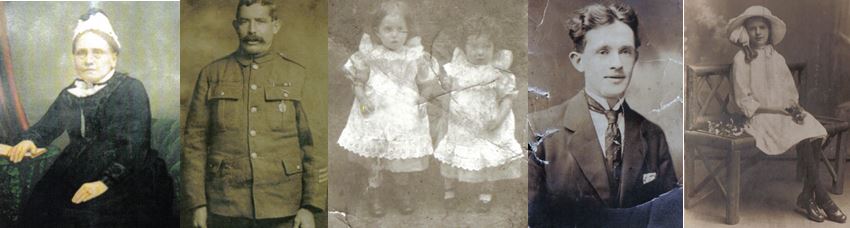


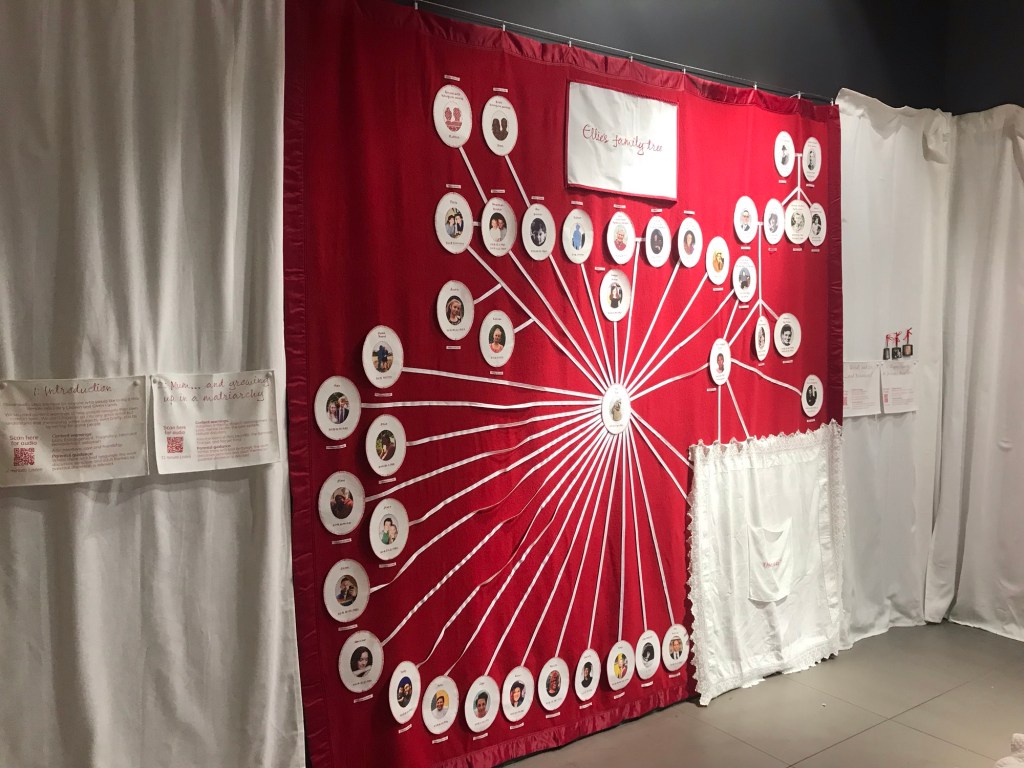
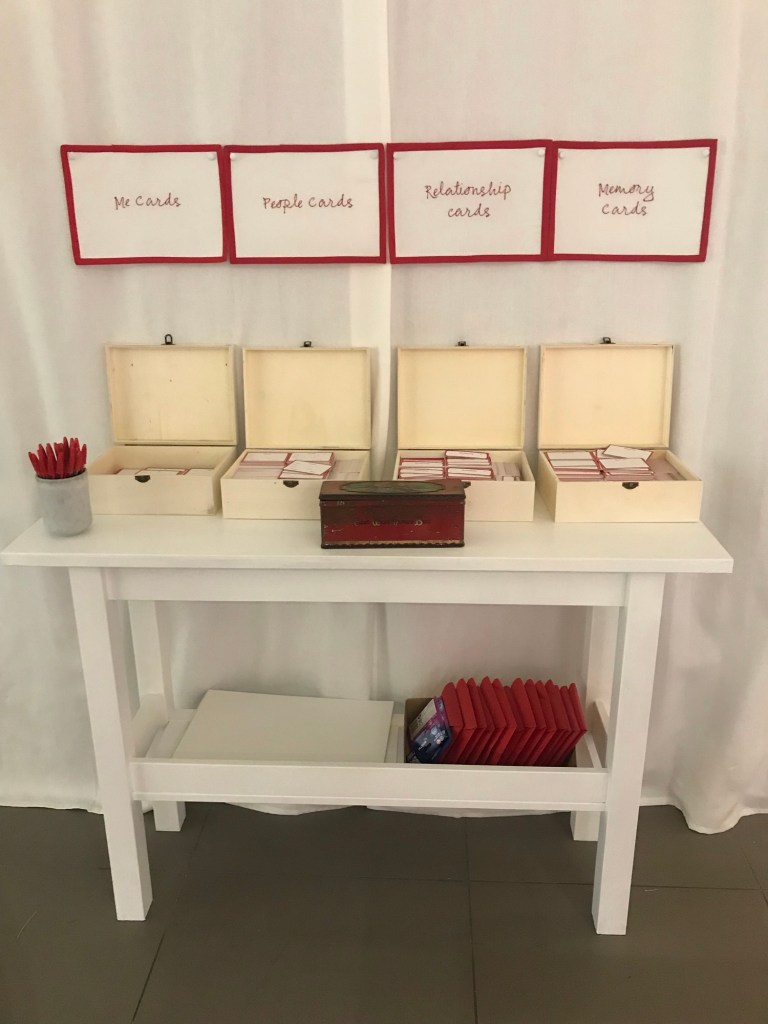
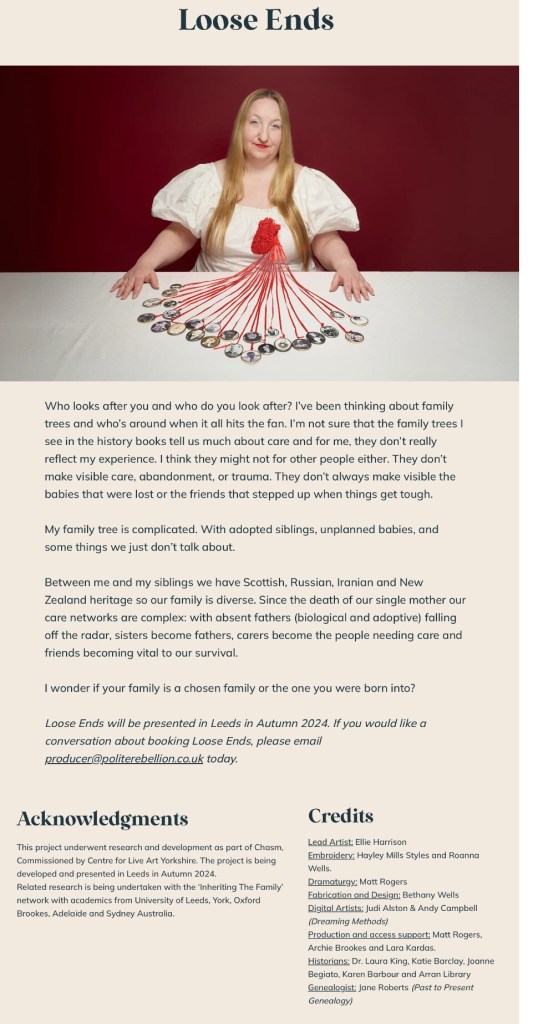


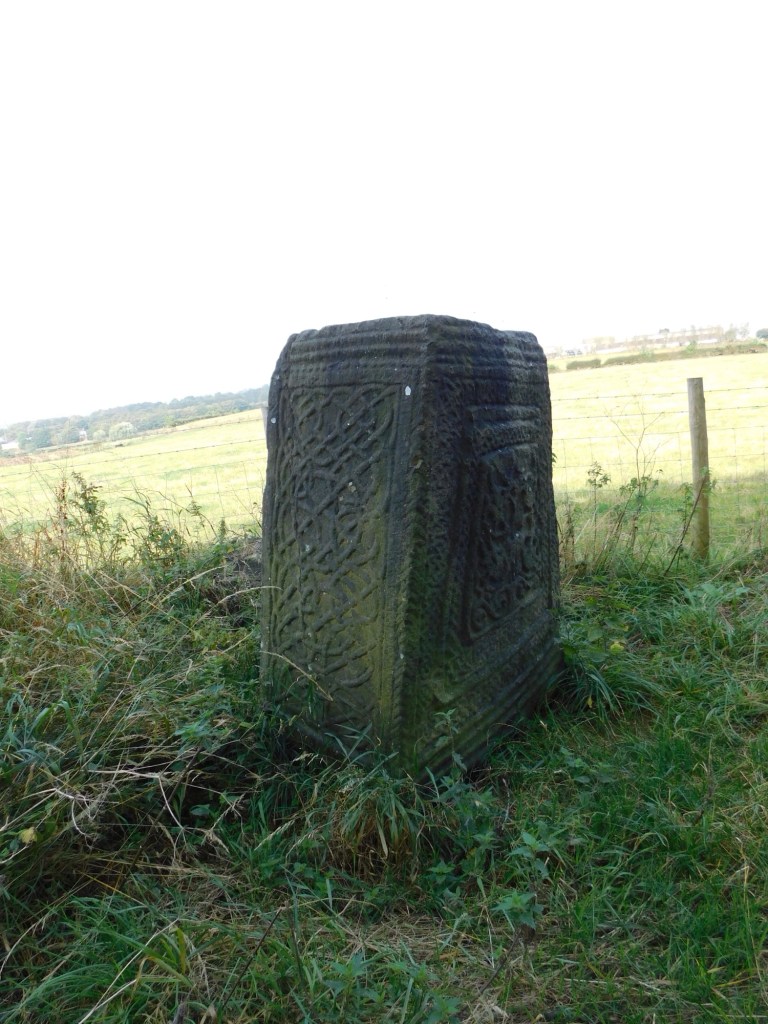
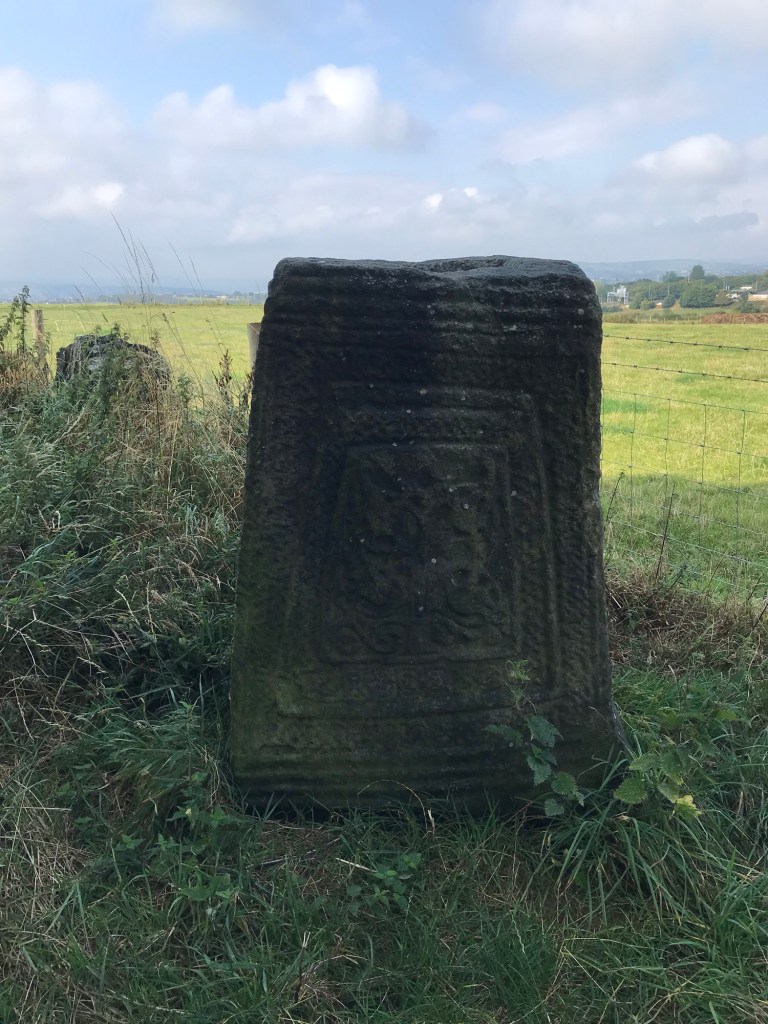


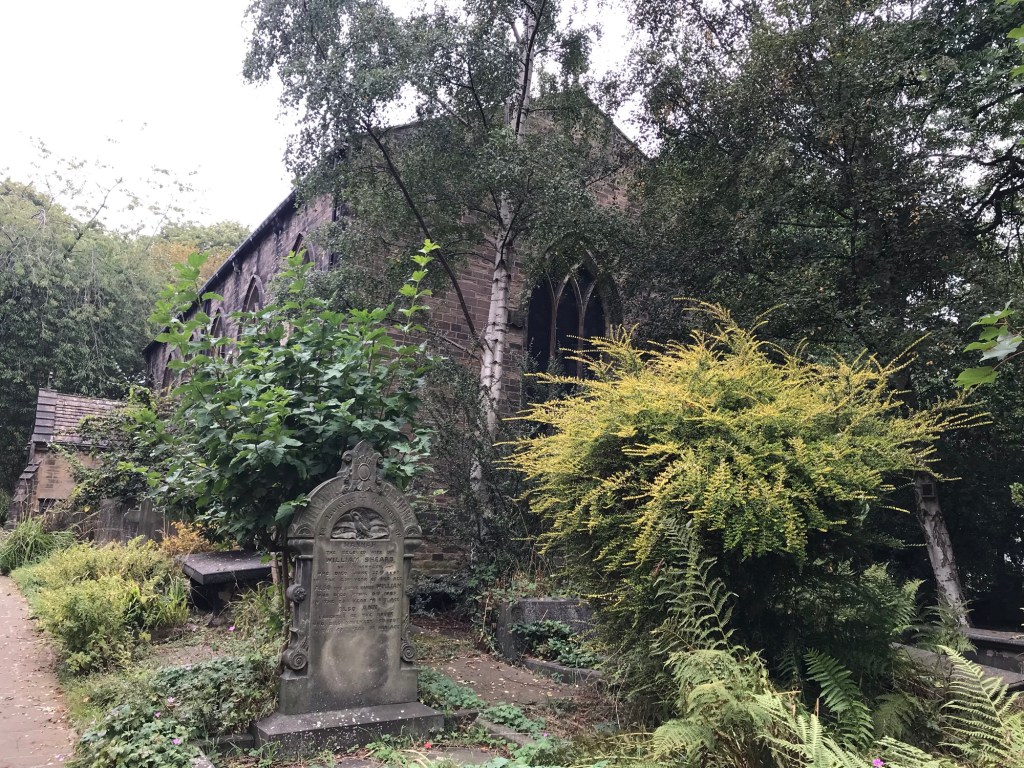
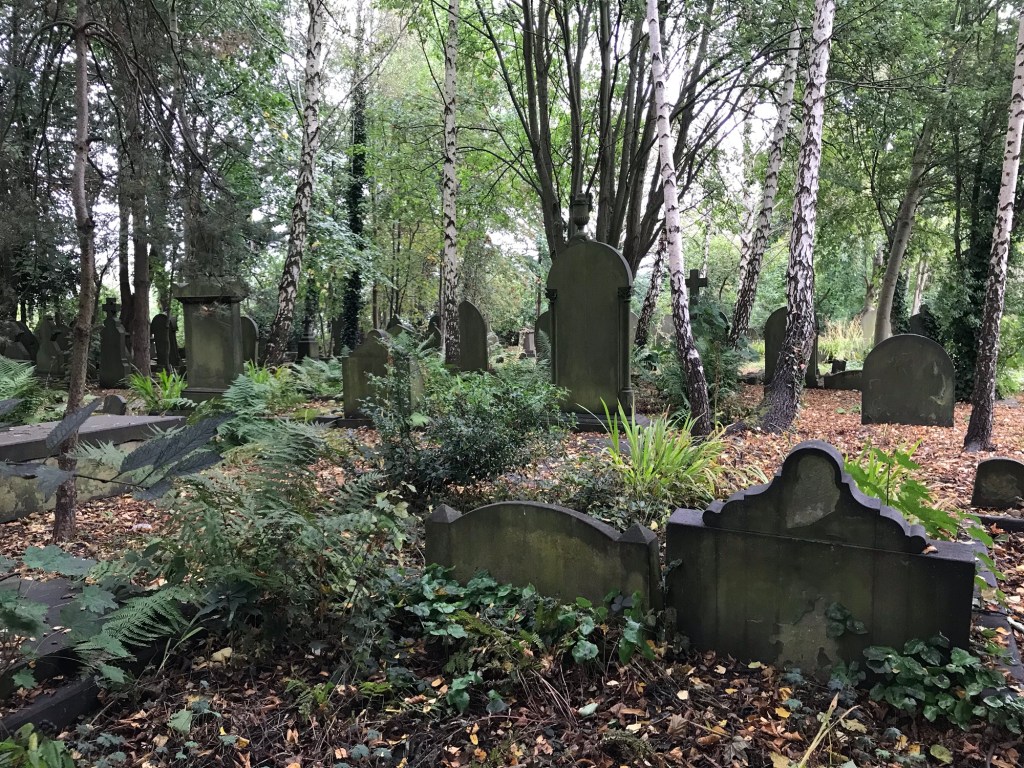


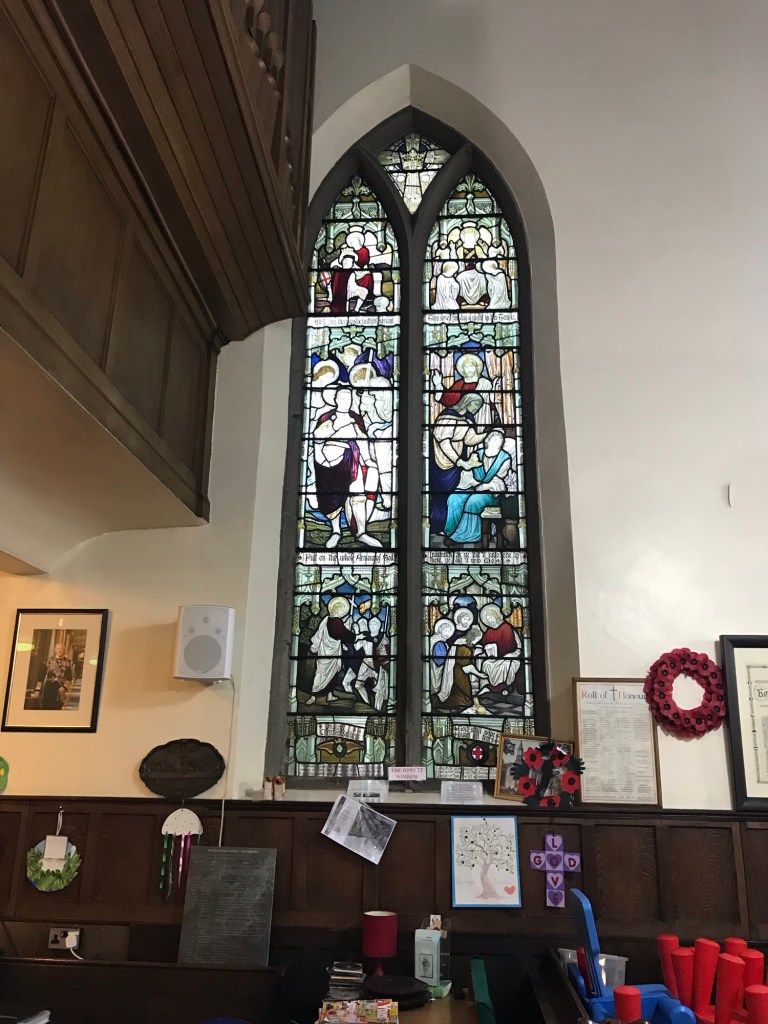


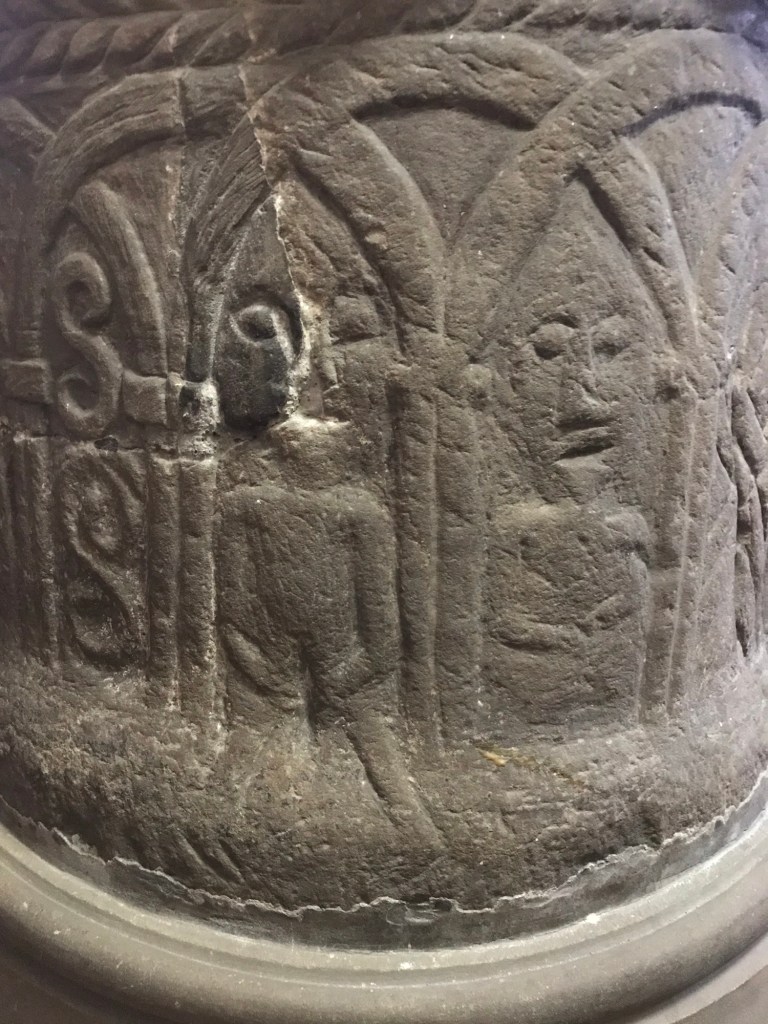


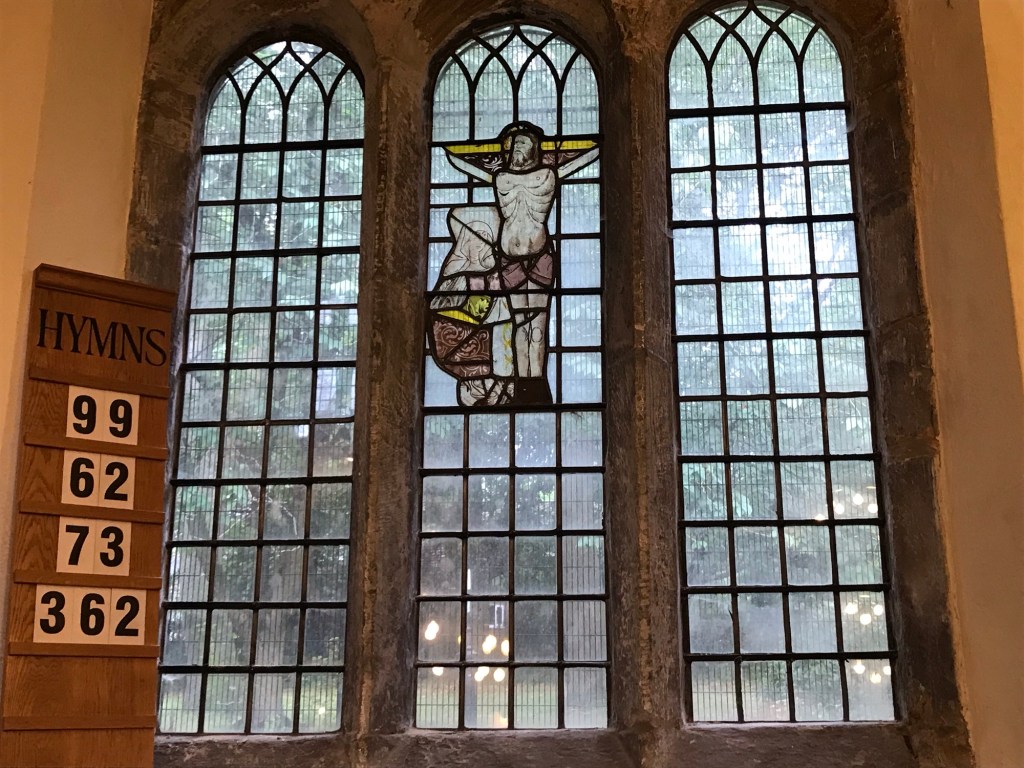
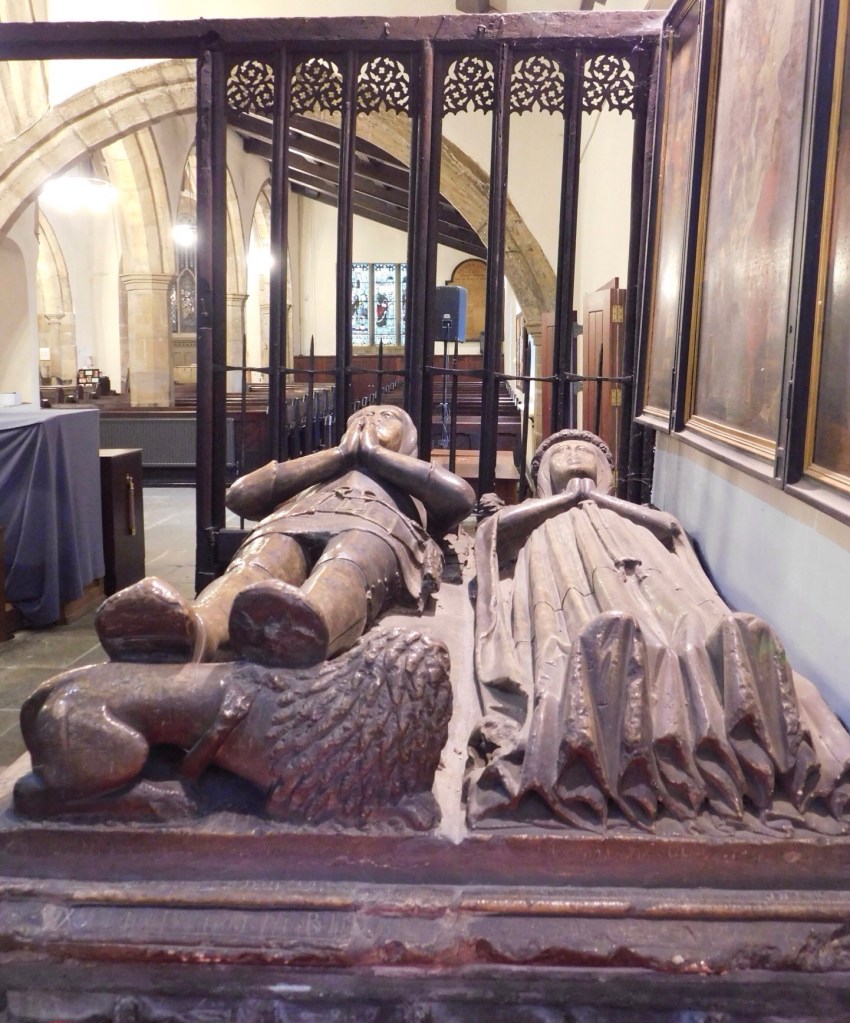
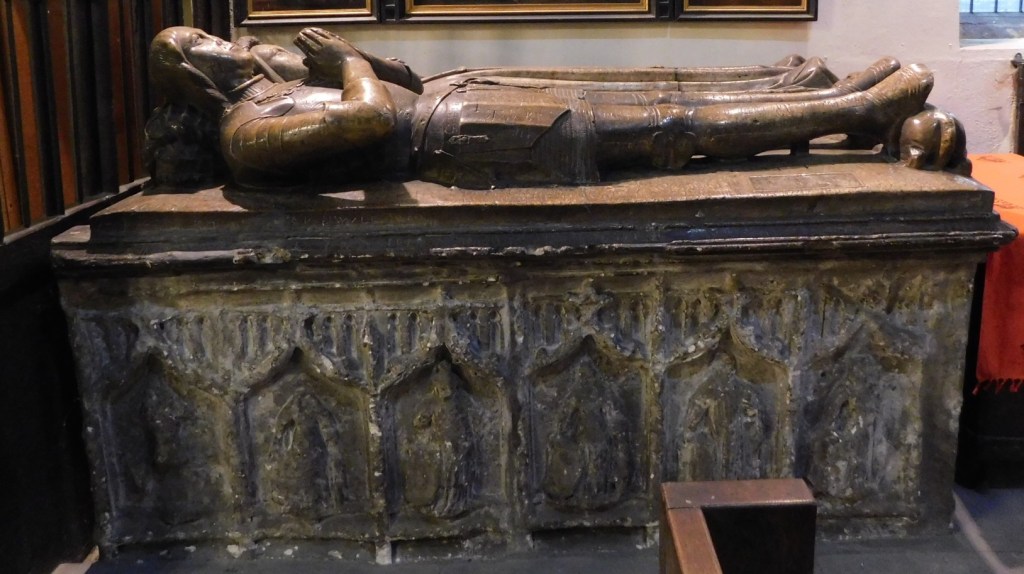


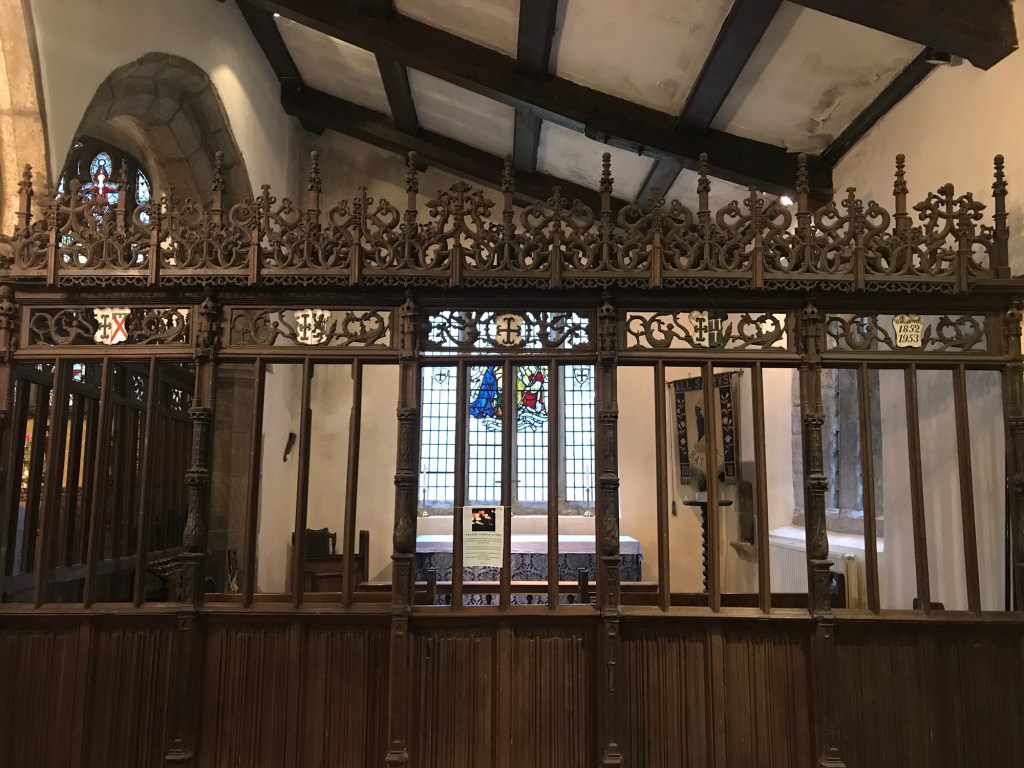


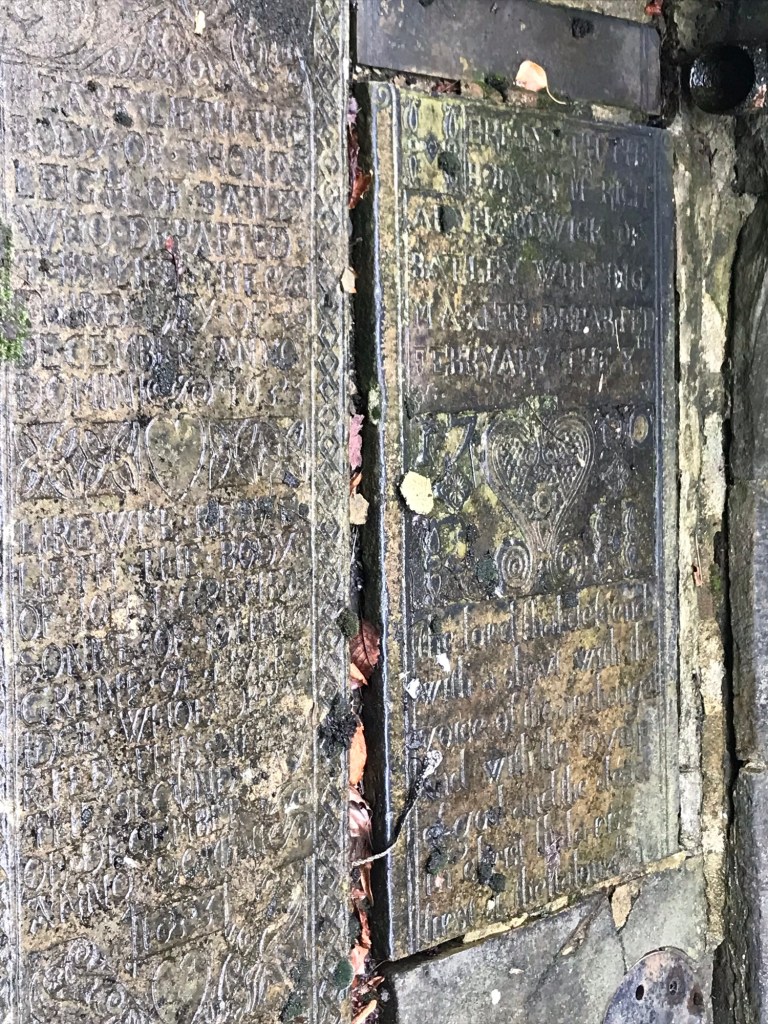
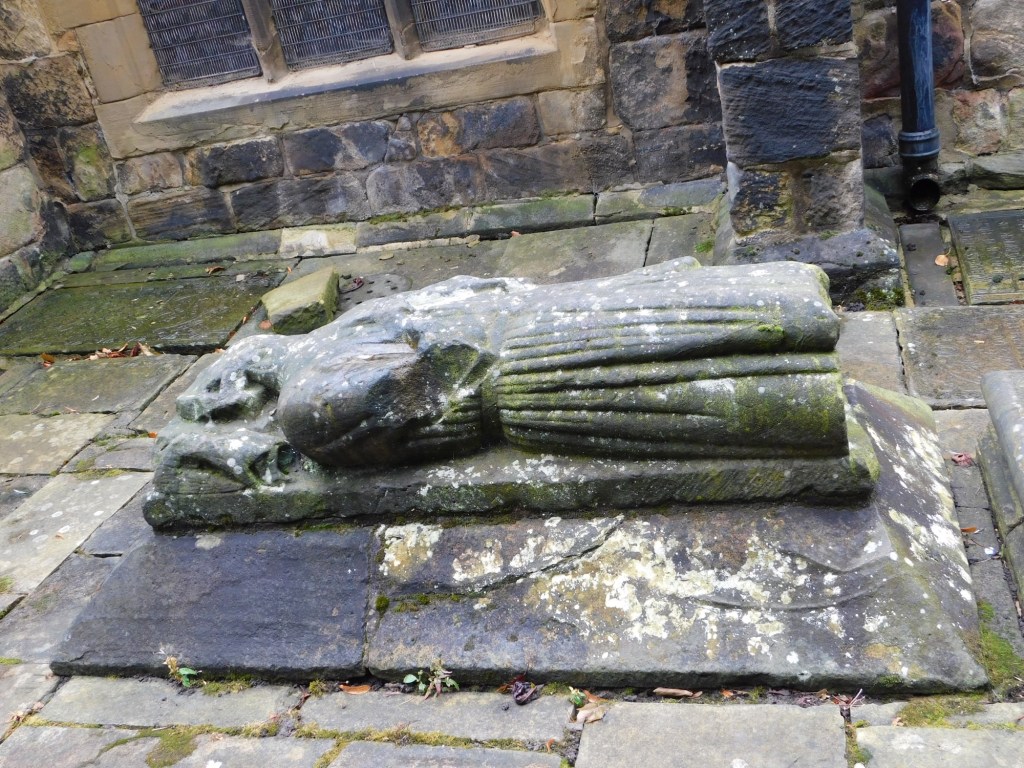
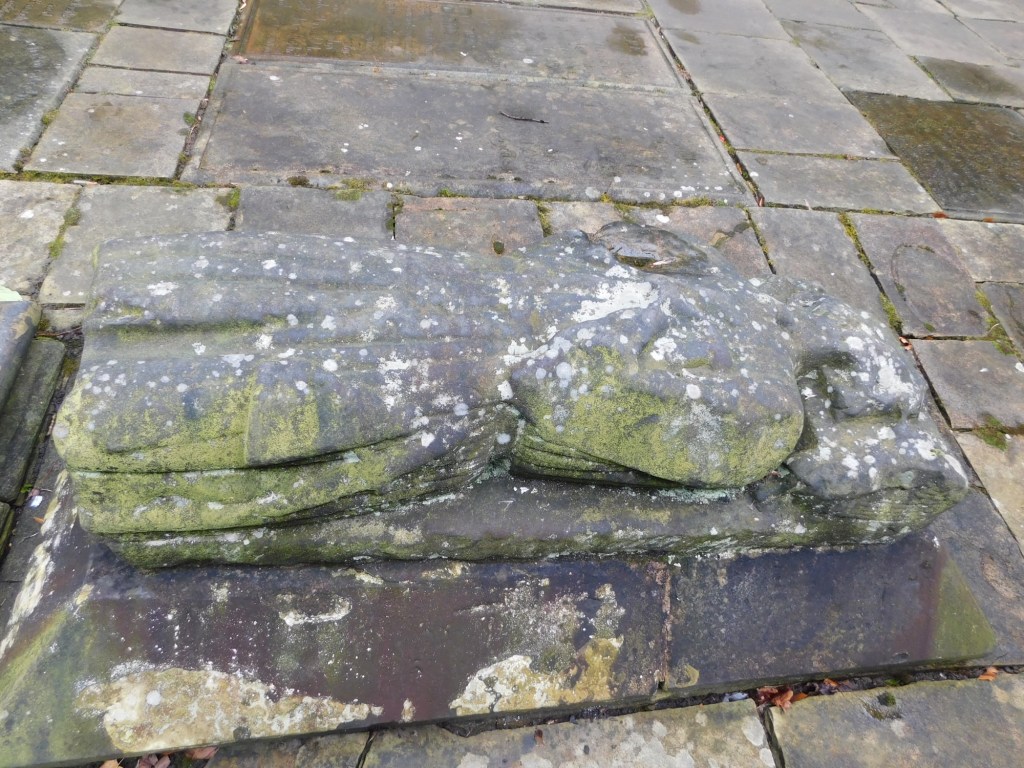

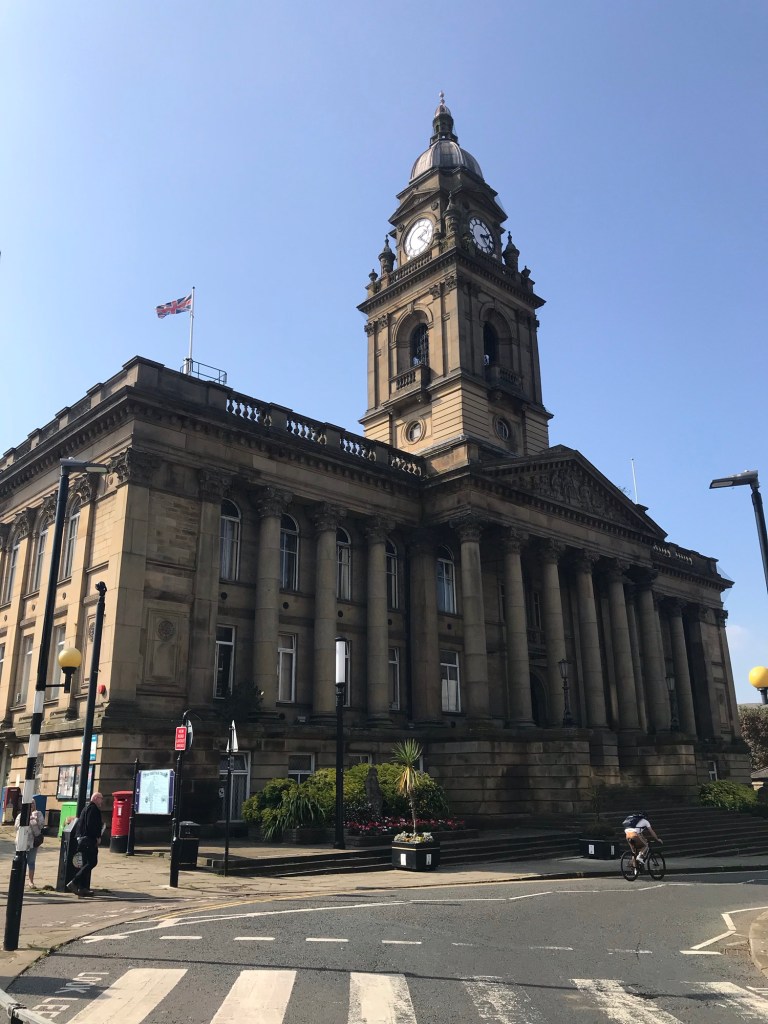
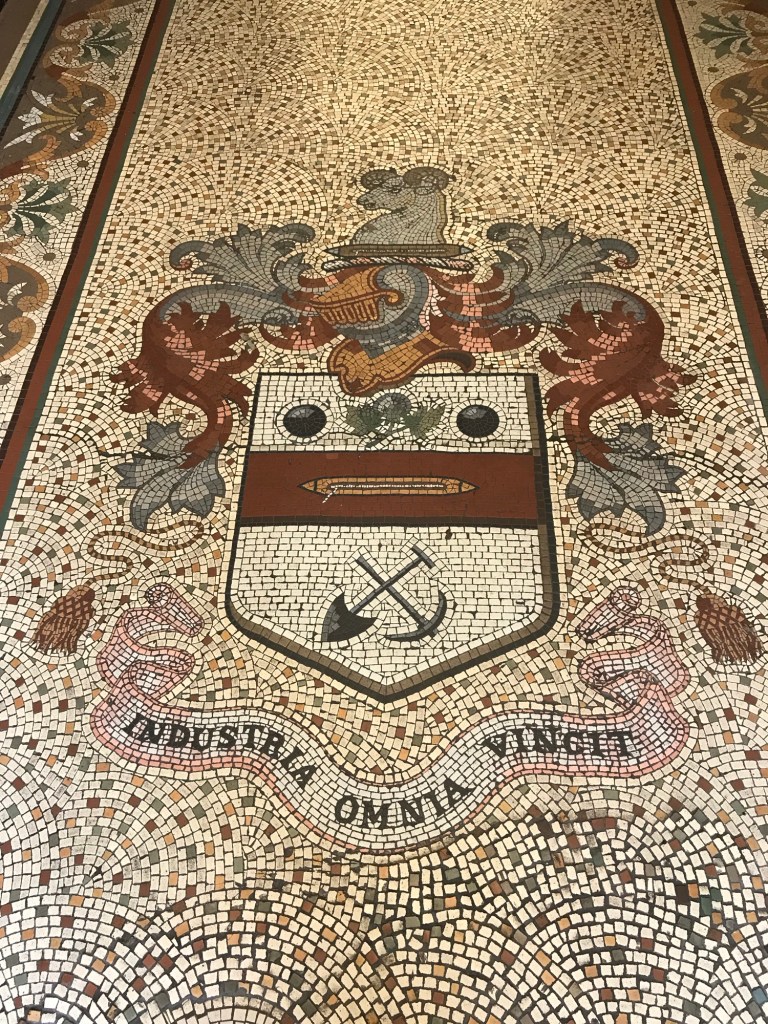
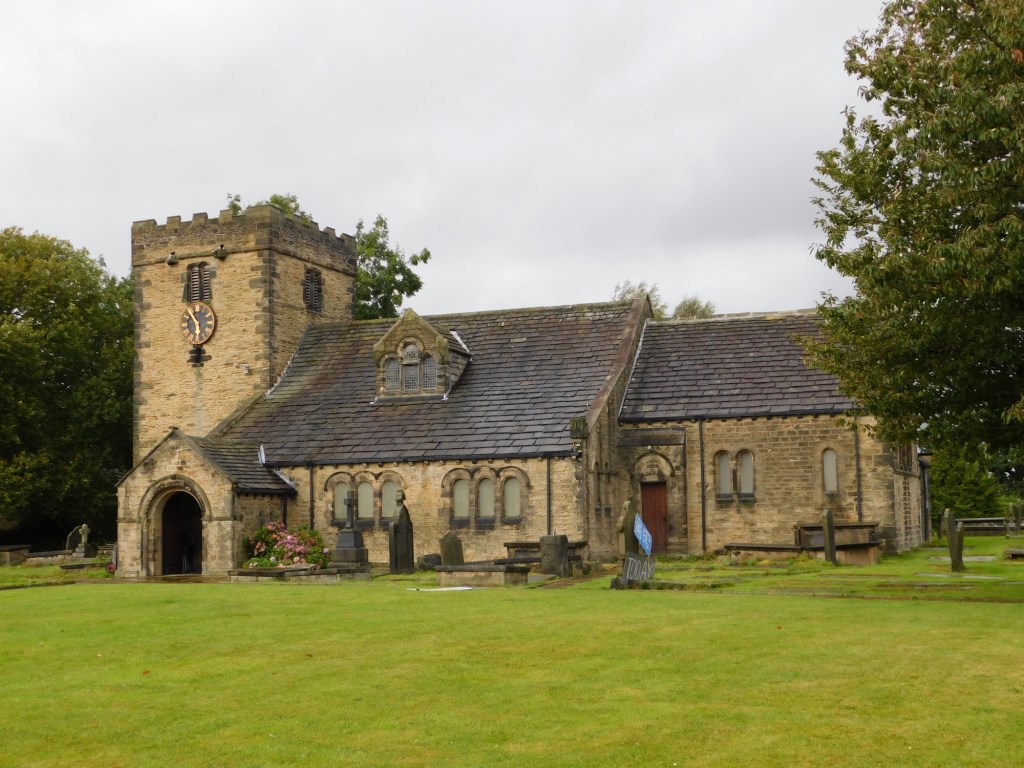

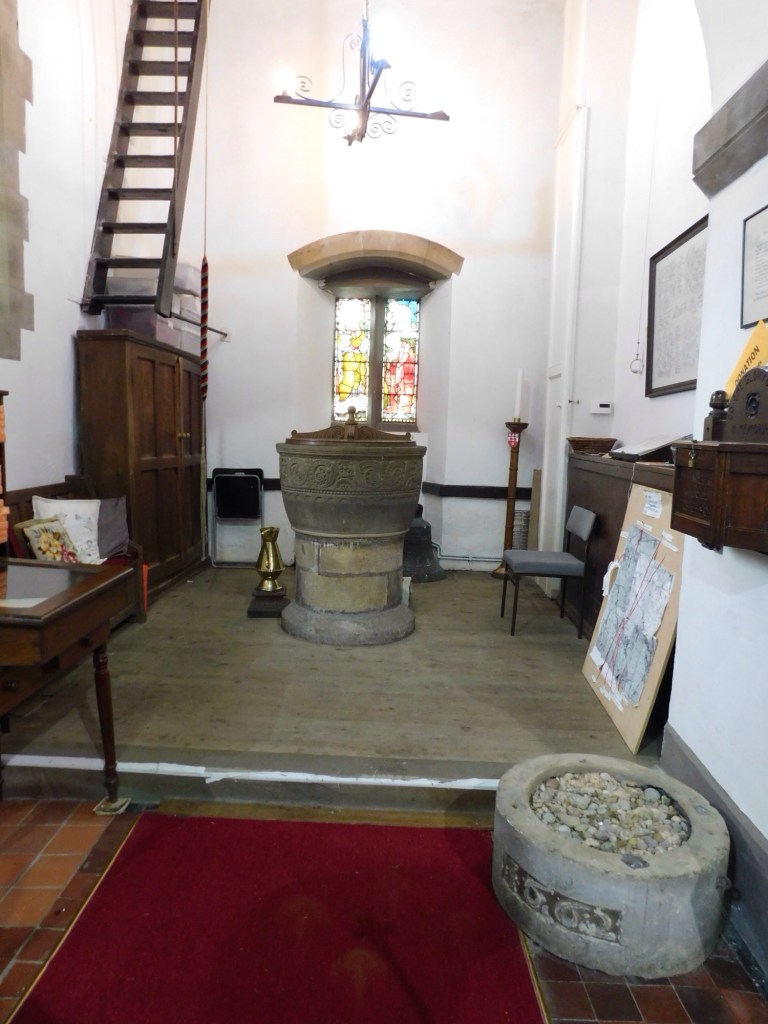
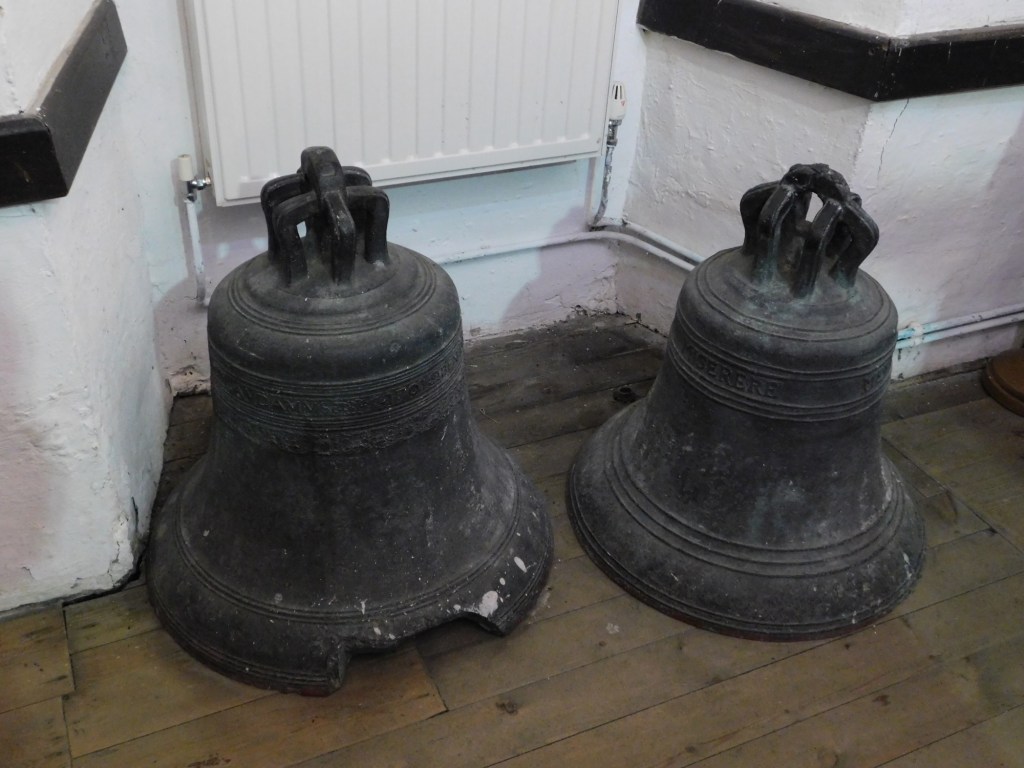


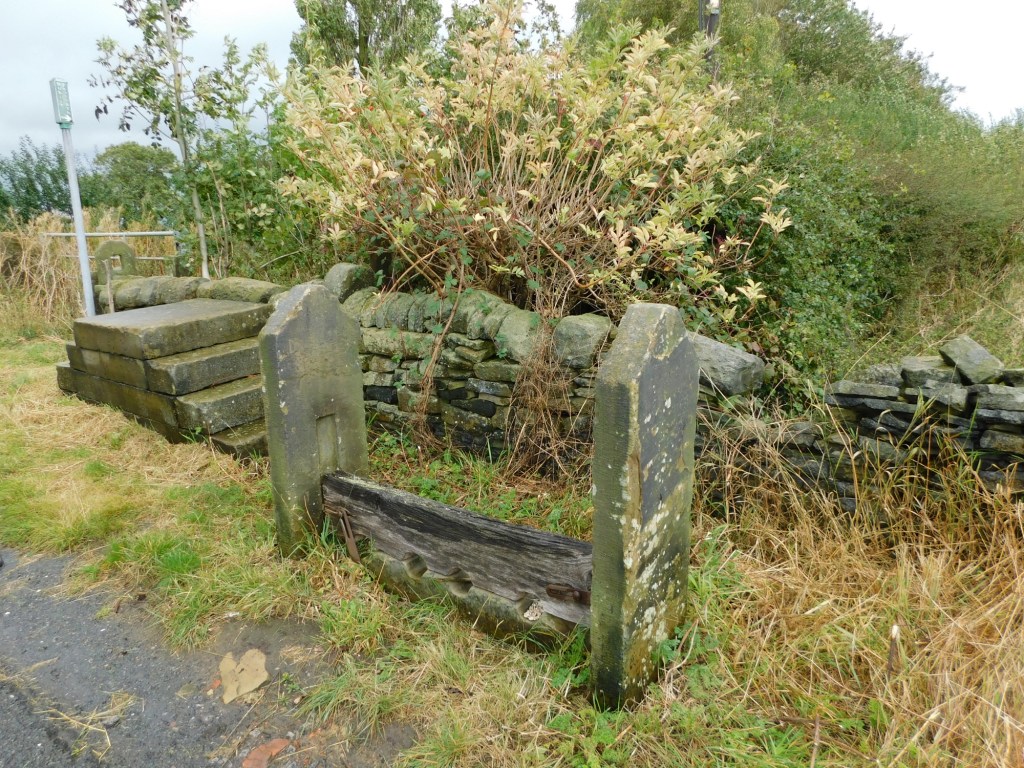


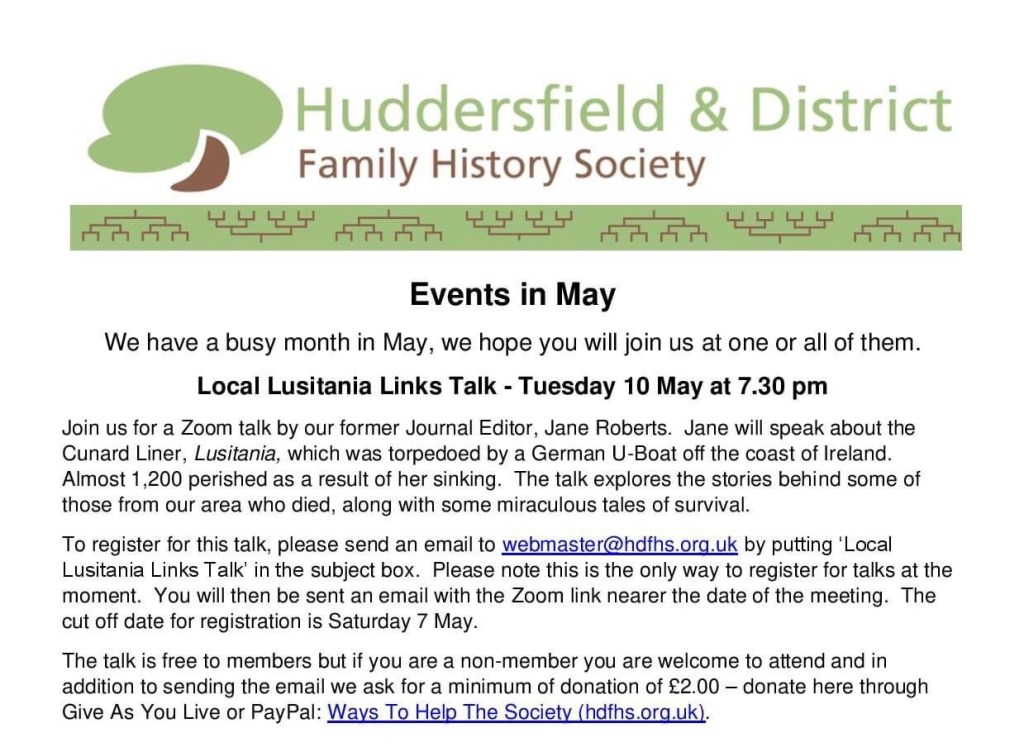

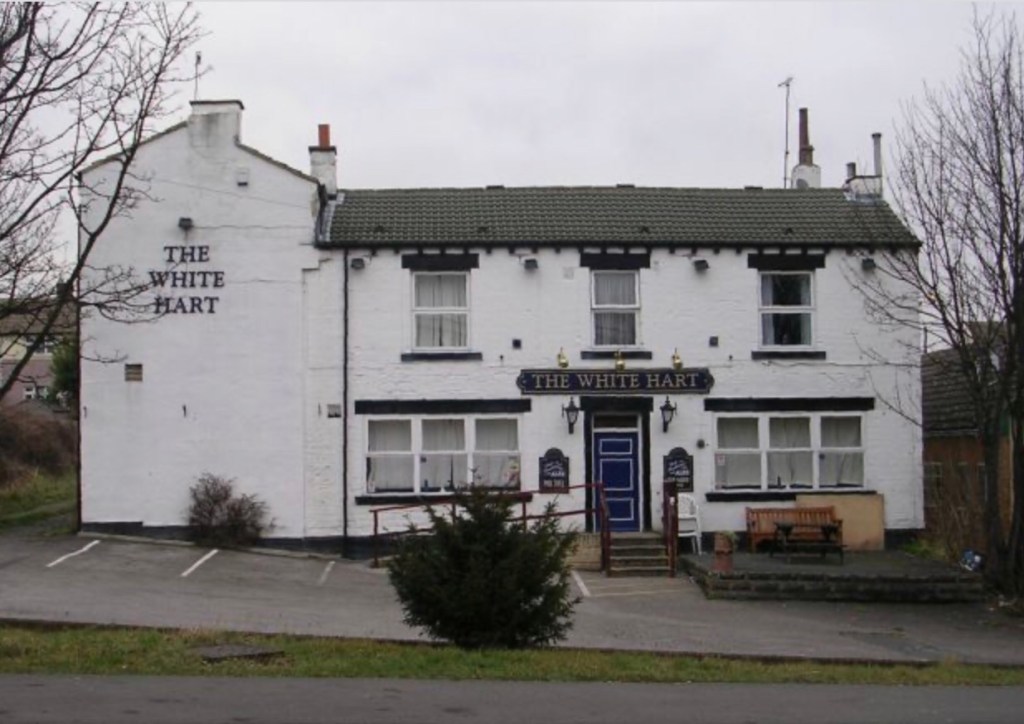
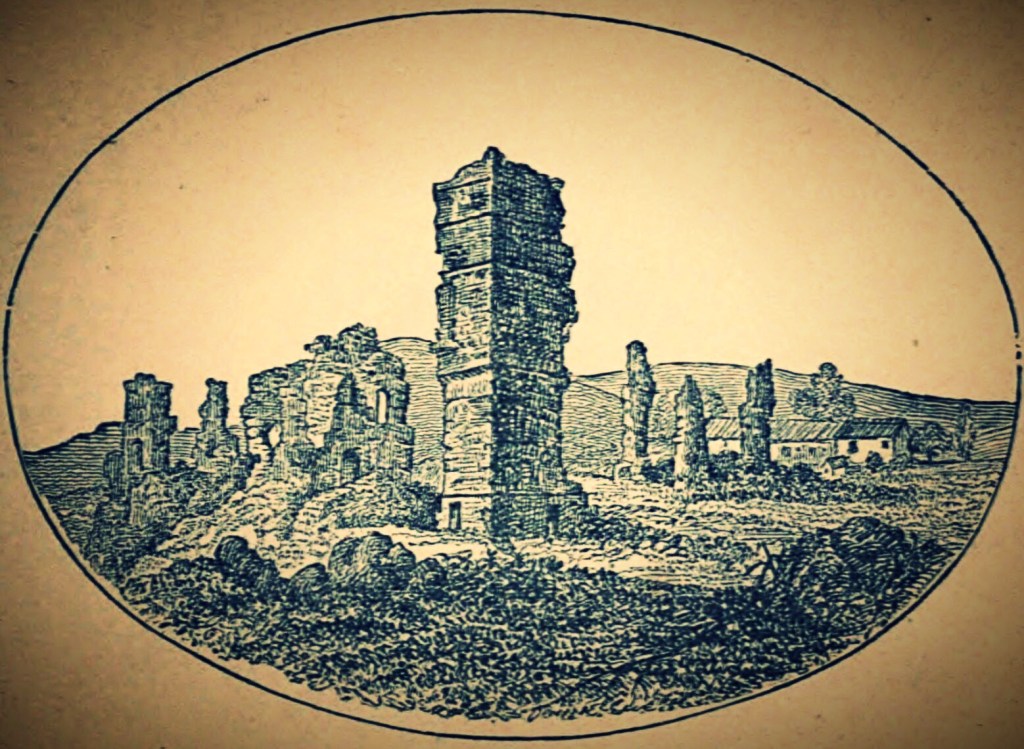
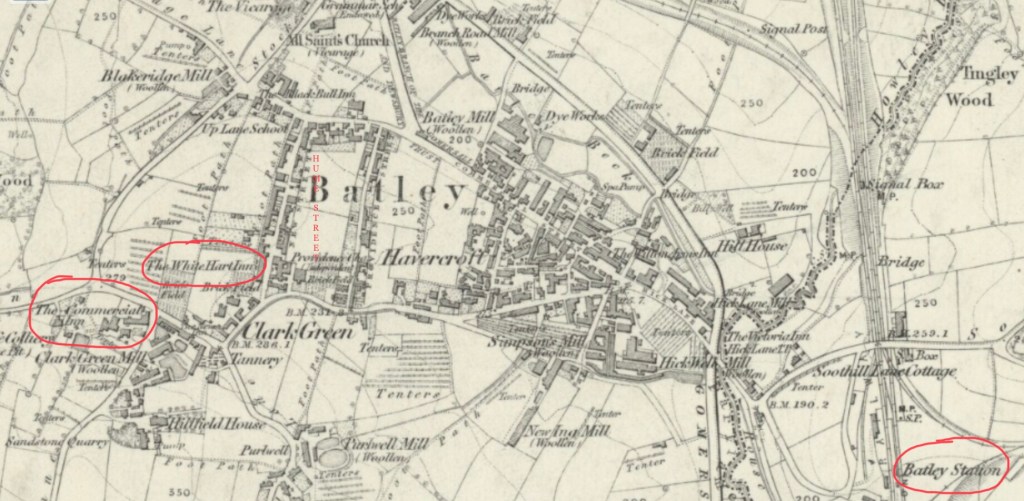

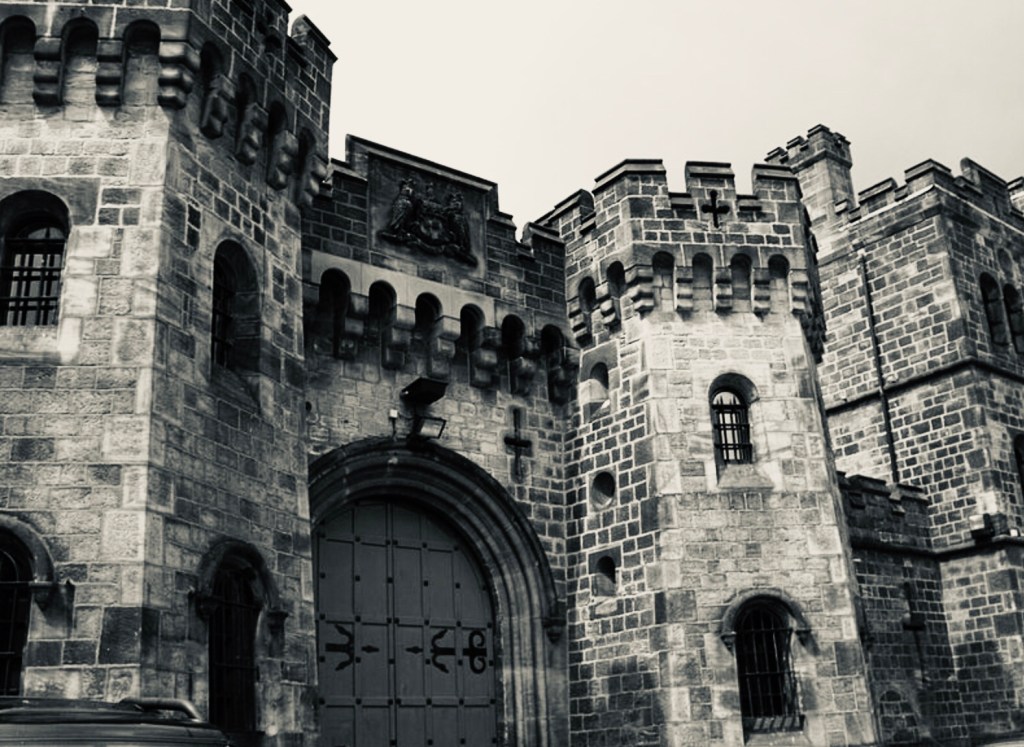
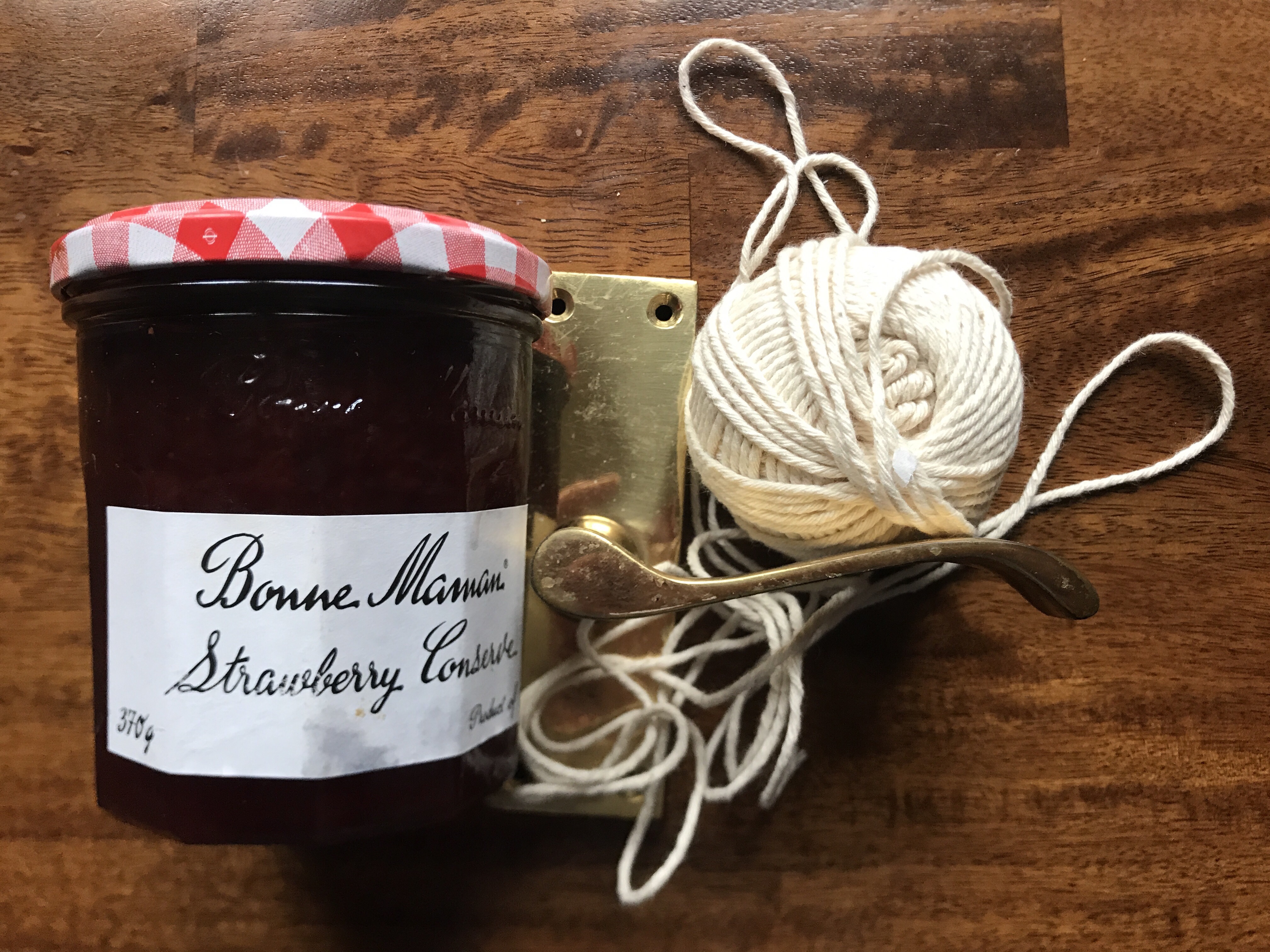


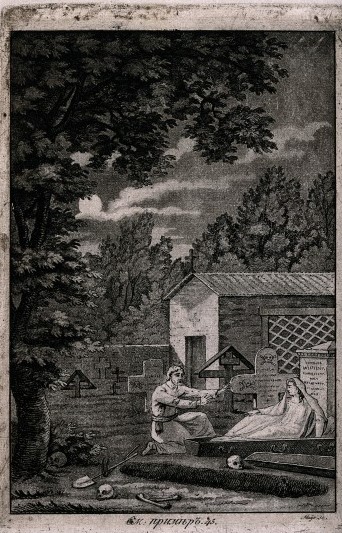
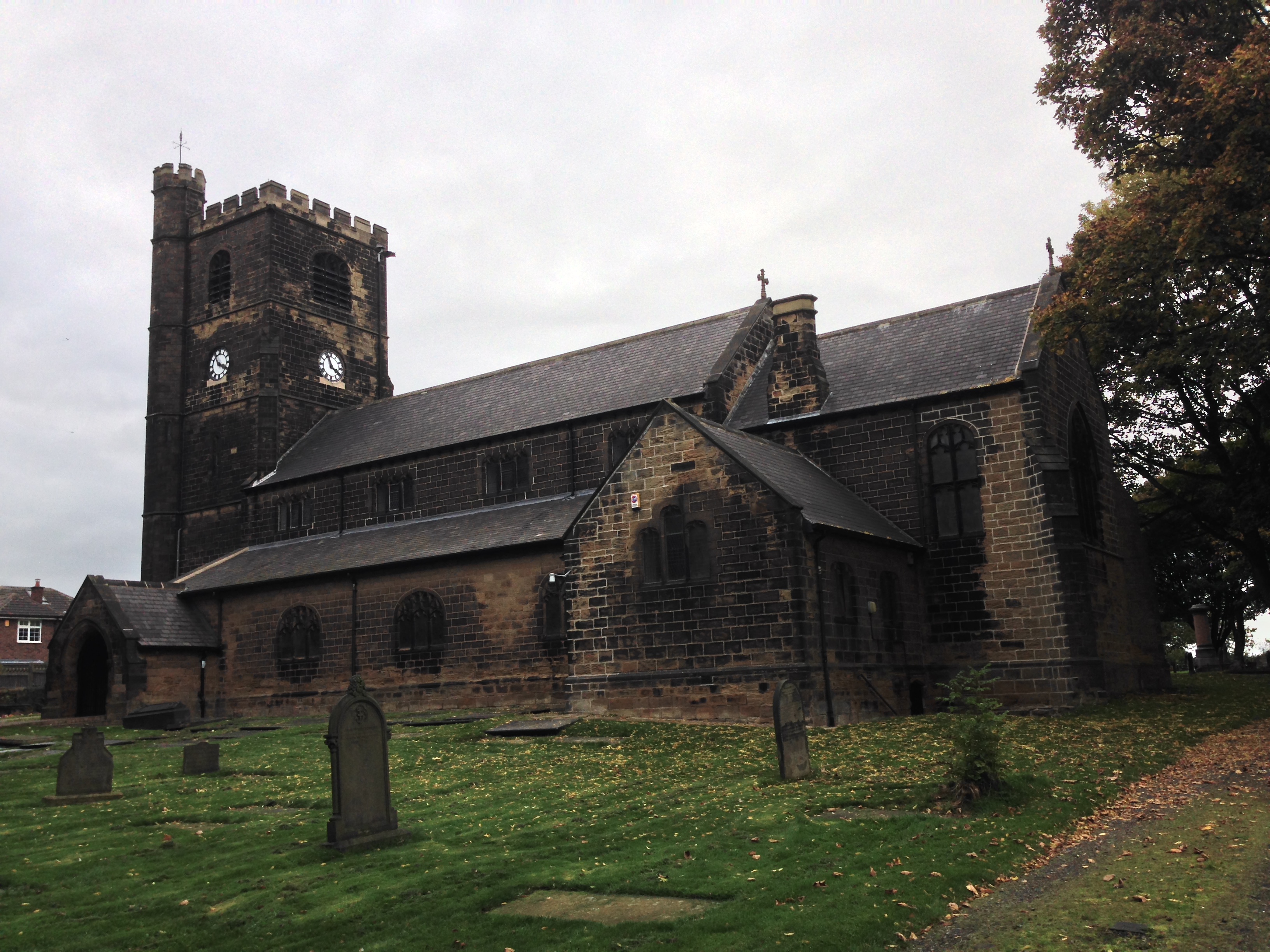


 Past To Present Genealogy