This is the book I wish I’d had nine years ago when dad and I tested with FamilyTreeDNA. It is now proving invaluable in helping me finally navigate our tests in an informed way. I’ve also been reminded about biobanking which means, even though dad died a few years ago, I can upgrade and expand his tests – and crucially know how to understand and make best use of the results.
Written by DNA expert Roberta Estes, who you may know as the author of the DNAeXplained blog, it is 247 pages packed with information to help you choose which FamilyTreeDNA test is right for you, and to ensure you get the most out of your test results. Those pages run to 11 chapters, walking you through the types of tests, who they are relevant for, along with their various associated tools.
Whenever I see a book review, I always want a run-through of the contents to see if what’s covered is of interest to me. After all, I need to make sure I’m spending my money wisely. So I’ve listed the chapters, and included the page numbers, to give an idea about what is covered, and the depth devoted to each broad topic.
Chapter 1: Types of Testing – Y-DNA, Mitochondrial DNA, Autosomal DNA, and X-DNA. Pages 6-10.
Chapter 2: Setting Yourself Up For Success. Set-up preparations to help get the most from your test. Pages 11-23.
Chapter 3: Y-DNA – Your Father’s Story. A detailed explanation of test options and goals, which shows how to use your results. Pages 24-96.
Chapter 4: Mitochondrial DNA – Your Mother’s Story. It explains the goals of this test, covers matches, what they mean and how to take those further. Pages 97-131.
Chapter 5: Autosomal DNA – The Family Finder Test. Probably the best-known test type, with matches to all family lines. Pages 132-172.
Chapter 6: X Chromosome – Described as your secret tool that’s included with Family Finder, it shows how this can be used. Pages 173-186.
Chapter 7: Ethnicity – My Origins. How this is calculated, the caveats around it, plus ethnicity chromosome painting. Pages 187-206.
Chapter 8: Advanced Matching. A useful, and often-overlooked, filtering tool. Pages 207-208.
Chapter 9: Finding, Joining and Utilizing Projects. An overview of various DNA projects, what to expect when joining one, and the benefits of getting involved. Pages 209-217.
Chapter 10: Third Party Tools. Covers Genetic Affairs and DNA Painter. Plus creating a powerful DNA Pedigree Chart to weave the various tools together. Pages 218-224.
Chapter 11: Creating Your Step-By-Step Roadmap. A useful bullet-point roadmap summary of all the various FamilyTreeDNA tests and third-party tools. Pages 225-230.
Glossary. This explains in straightforward terms the sometimes daunting vocabulary associated with DNA testing. Pages 231-247.
As you might have spotted from the above, there’s no index. This is a potential drawback, because it is less easy to home in on a specific issue. The chapters though are divided into bite-sized chunks, which are outlined in the chapter sub-headings and these sub-headings might, in some instances, act as a proxy index.
Throughout the book, there are plenty of graphics to help illustrate and explain, and there are also handy associated tip boxes.
Understanding DNA testing can be bewildering, and there is no doubt that this is a book which requires concentration. But it does help explain a complex subject, and makes it more accessible to those of us with less grounding in science.
The Complete Guide to FamilyTreeDNA is published by Genealogical Publishing Company, and is available in eBook, non-colour paperback and colour paperback formats – so there are a choice of reading options and price points.
Be aware, there are pros and cons with each.
I have the full colour paperback version of the book – something I welcome, given the number of charts and diagrams, the meaning of which might get lost in the black/white/grayscale paperback. But the colour paperback version does cost more, and price is an important consideration. Checking the Genealogical.com website, there is a free colour supplement download available for selected pages, so this could provide a workaround for the non-colour paperback. And the eBook is in full colour.
I personally prefer a physical book, as best suited to my reading and learning style. The drawback of the paperback format is the absence of footnote hyperlinks to take you directly to the DNAeXplained website references. I imagine you’d get that with the eBook version.
My edition was published in August 2024, ISBN 9780806321400. I’ve attached the Amazon link, and also the Genealogical.com link for all versions.
My conclusion. If you have invested in testing with FamilyTreeDNA, I’d say it is worth the extra outlay on this book, to make sure you’re getting the most from your results.
Full disclosure: I received a free copy of the colour printed paperback book from Genealogical.com in return for a honest review. I have expressed my truthful opinion in the above review.
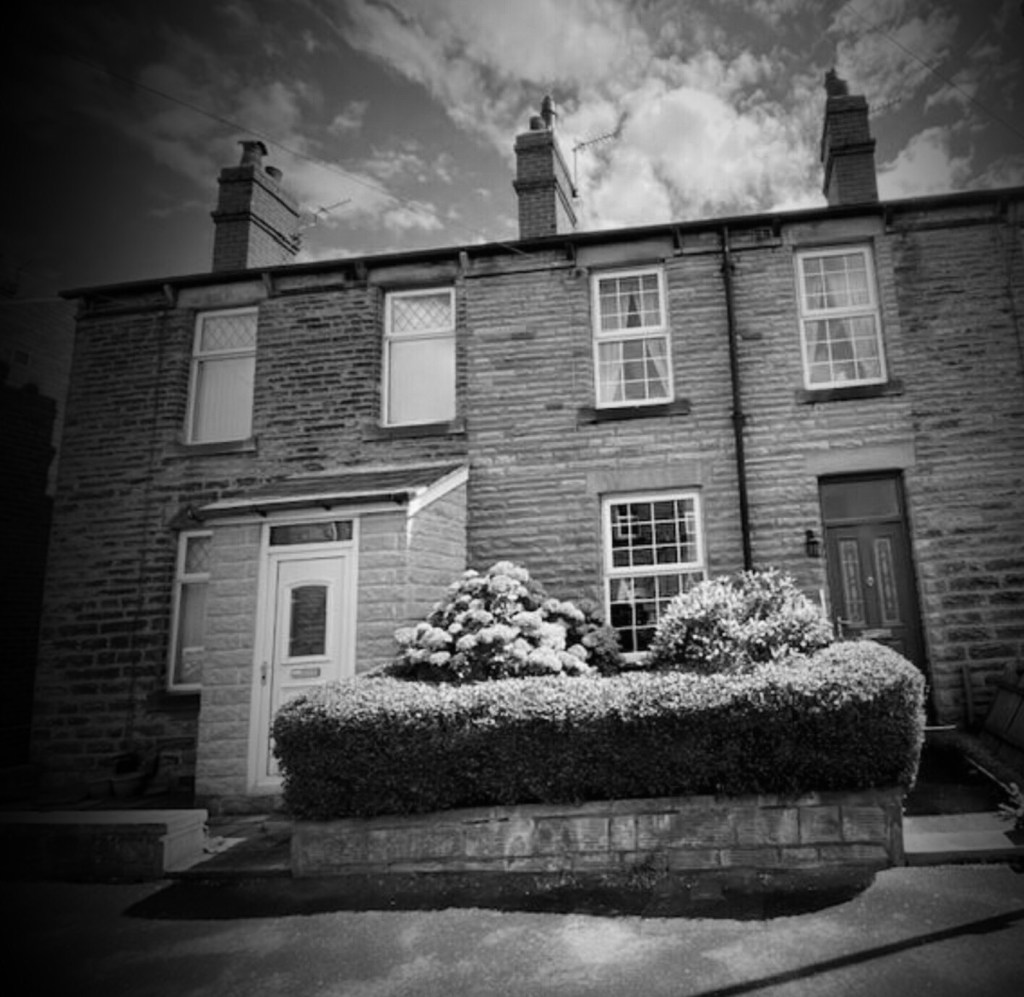
If A House Through Time has piqued your curiosity about your own home and its previous residents, why not make this the year to find out more?
I can unveil the mysteries of the history of your house, discover more about those who have also called your home theirs and the events which influenced their lives, all interwoven with tales of their triumphs, alongside sensitive handling of the more challenging times they may have faced.
I will place your home within its local history context, often integral to shaping the stories of those who lived there. Viewing your home through the lens of local, and even national, history will help you see it in an entirely fresh light, giving you a new appreciation of its place in the history of your local community.
Through my meticulous, professional research, drawing upon a wide range of sources including archive-only material, the rich and colourful tapestry of the lives of those who have left their invisible footprints in your home will be once more brought to light. As an experienced researcher, I really can breathe life into the history of your home.
Whatever the house style or era, a professionally researched and written house history is a wonderful talking point amongst family and friends. It is a fabulously unique house-warming gift to treasure. It can also be a real selling point if you do eventually wish to move on.
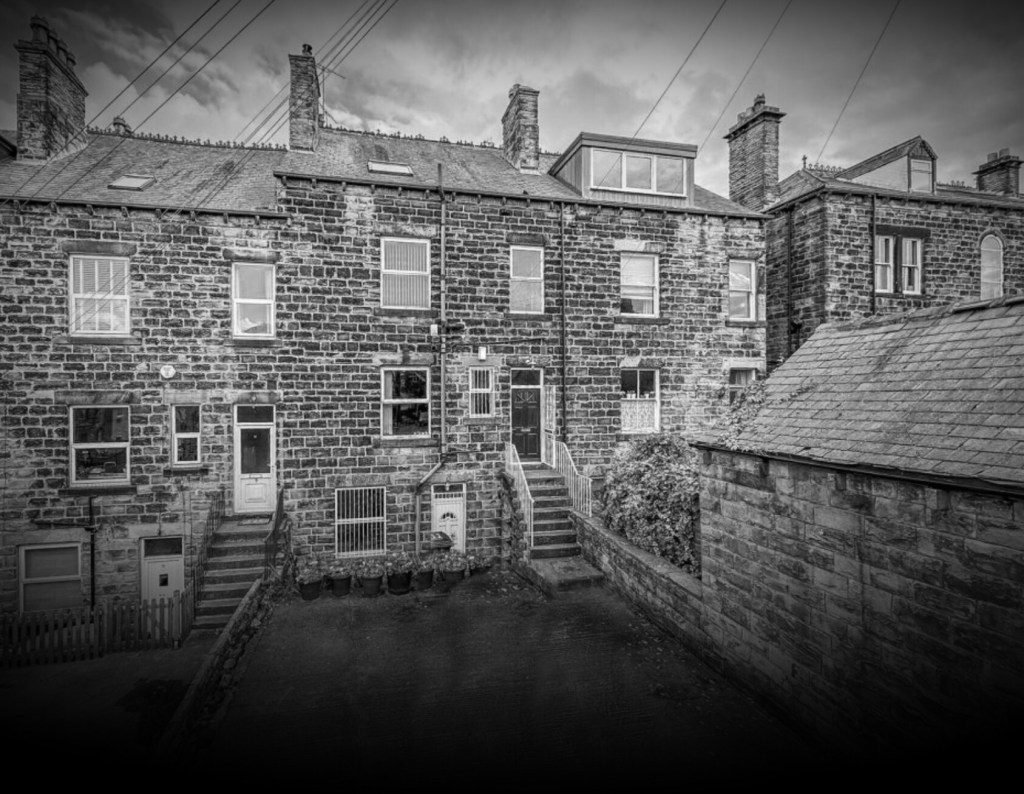
Edwardian, 1930s, Victorian and older – a whole range of house ages and styles can reveal fascinating backstories
Don’t just take my word for it. Here’s the feedback from two of my recent house history clients.
Jane has gone above and beyond in producing a written account of the history of my house. It really was like having my own personal “A House Through Time” researcher. I am amazed at what she discovered, both about the history of the house and those who lived in it. CI, UK
We finally moved in and I gifted the [house history] book to my wife. She loves it. She hasn’t read it all but now she knows the names of all the ghosts she can hear. Thanks again.BK, UK
If you want to discuss the various options about engaging me to write the history of your home, please do get in touch via email at: pasttopresentgenealogy@btinternet.com.
This includes if you are undertaking your own house history research but live a distance from the West Riding Registry of Deeds, and would like me to undertake look-ups on your behalf there.
Alternatively, you can access me via my Association of Genealogists and Researchers in Archives (AGRA) profile, which can be found here.
House history is just one of the research services I offer. I also undertake family and local history research, ranging from individual document look-ups and archive visits, to brick wall busting, and multi-generational family trees or full family histories. I can also be engaged as a speaker, with my list of current talks here. Contact details for all these services are as above.
The final month of the year brought seven new posts to the Batley St Mary of the Angels One-Place Study, bringing the total number to 378. In addition to the seven new posts, four more were updated.
This update contains the list of all the St Mary’s posts published up to the end of 2024, including links to them, with last month’s new and updated posts signposted so you can easily locate them.
If you want to know the background, and what is involved in a one-place study, click here. Otherwise read on, to discover a wealth of parish, parishioner and wider local Batley history.
Batley St Mary of the Angels
Two new War Memorial biographies were added, those of James Gavaghan and Michael Hopkins. I also updated Thomas Donlan’s biography as a result of the James Gavaghan research. I identified more parishioners who served in, and survived, the First World War. That list has been updated.
The Bulletin for Batley St Mary of the Angels and Birstall St Patrick section, has one addition. This is the piece covering the parish history snippets which were included in the parish bulletins during December 2024.
And the final additions for the year are in the During This Week newspaper section, with four new pages added covering the editions of the Batley News published December 1918. I have accordingly updated the surname index to these During This Week newspaper pieces, so you can easily identify newspaper snippets relevant to your family.
Below is the full list of pages to date. I have annotated the *NEW* and *UPDATED* ones, so you can easily pick these out. Click on the link and it will take you straight to the relevant page.
Postscript: I may not be able to thank you personally because of your contact detail confidentiality, but I do want to say how much I appreciate the donations already received to keep this website going. They really and truly do help. Thank you.
The website has always been free to use, and I want to continue this policy in the future. However, it does cost me money to operate – from undertaking the research to website hosting costs. In the current difficult economic climate I do have to regularly consider if I can afford to continue running it as a free resource.
If you have enjoyed reading the various pieces, and would like to make a donation towards keeping the website up and running in its current open access format, it would be very much appreciated.
Please click 👉🏻here👈🏻 to be taken to the PayPal donation link. By making a donation you will be helping to keep the website online and freely available for all.
Thank you.
Finally, if you do have any information about, or photos of, parishioners from the period of the First World War please do get in touch. It does not have to be War Memorial men. It could be those who served and survived, or indeed any other men, women and children from the parish.
I would also be interested in information about, and photos of, those parishioners who were killed in World War Two, or others from the parish who undertook any war service and survived. This can be as broad as serving in the military, or work in munitions factories, the Land Army, even taking in refugees. This is an area I’m looking to develop in the future.




 Past To Present Genealogy