Tag Archives: Haworth

A Brontë Experience Not To Miss

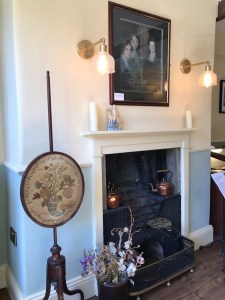
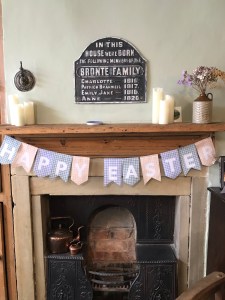
The Famed Fireplace – Photo by Jane Roberts

If you’ve followed my blog you will know I occasionally write about aspects of Brontë family history. Well, this post is about the very spot which marks the genesis of these literary geniuses.

It is the exact house in which, between April 1816 and January 1820, Charlotte, Patrick Branwell, Emily Jane and Anne Brontë were born. Oral tradition is that their mother, Maria, gave birth to at least one of her children in front of the parlour fireplace, a fireplace which still exists today. This house is remarkable in being the only place which can literally call itself The Brontë Birthplace.
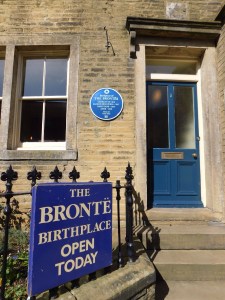
Welcome to the Brontë Birthplace – Photo by Jane Roberts

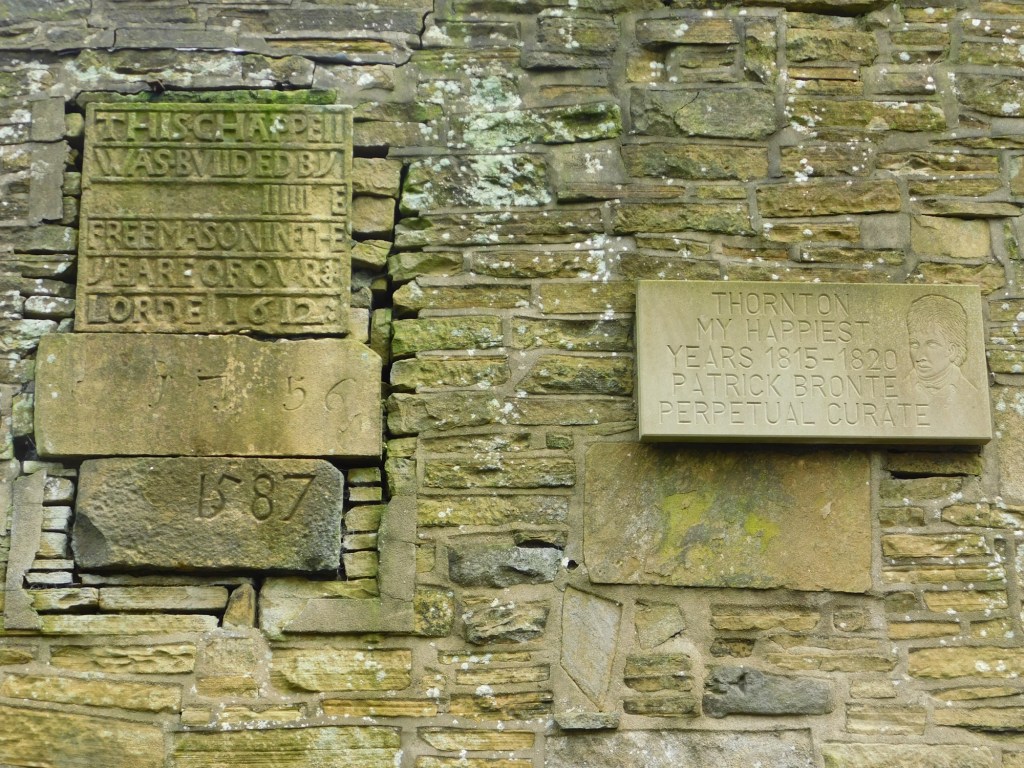
Their parents Patrick and Maria, along with their older siblings, Maria and Elizabeth, moved here in May 1815 when Patrick took up the position of curate in the West Riding village of Thornton. It remained their home until May 1820 and Patrick’s Haworth appointment. Later Patrick Brontë said of Thornton “My happiest days were spent there.

The house is a must-visit for anyone with an interest in the Brontë sisters, the history of English literature or indeed every-day period buildings. David Sillito, the BBC’s Arts and Media correspondent, summed up its unrivalled historical significance as “The most important literary birthplace anywhere in the world, with three of the world’s most famous authors born there.

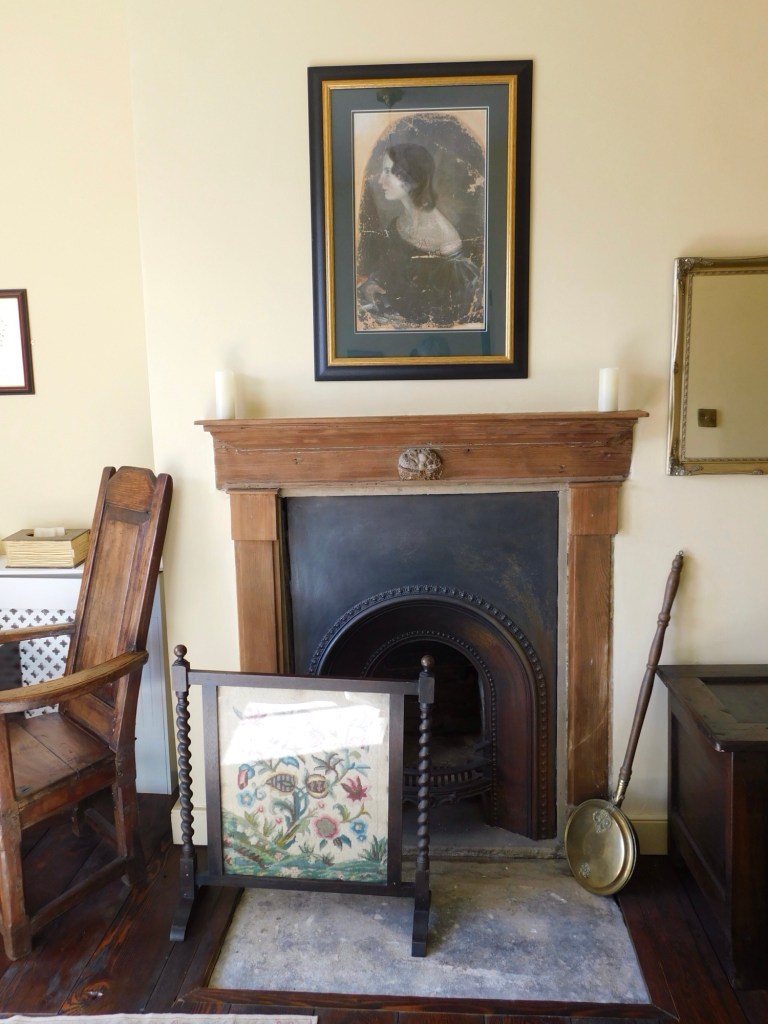
One of the Downstairs Rooms – Photo by Jane Roberts

Not only can you wander round the various furnished rooms and soak up the atmosphere, but you can sleep in the very bedrooms the Brontë family slept in over two centuries ago. For any Brontë aficionado that is an unmissable experience.

Located at 72-74 Market Street, Thornton, West Yorkshire, this Historic England Grade II* Listed Building’s pivotal position in Brontë history has long been recognised. It did at one point briefly become a museum, but it has also served as a butcher’s shop and restaurant over the years.

Ambitions around its long-term preservation were expressed as long ago as 1911. This ambition finally came to fruition on 15 May 2025 when Her Majesty Queen Camilla performed the official opening. But that does not do justice to the community aspects behind it, including crowdfunding efforts, and almost 800 people contributing to a share scheme to directly invest in preserving this piece of Brontë history for future generations. These fundraising methods, alongside traditional grants including from Bradford City of Culture 2025, enabled a Community Benefit Society to acquire the building in March 2024. The Brontë birthplace is the epitome of community activism perpetuating cultural heritage on behalf of the nation.
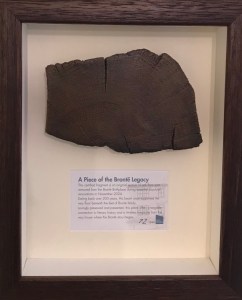
One of the Limited Edition Brontë Beam Artworks – Photo by Jane Roberts

Between acquisition and the opening, the building was lovingly, and sympathetically, restored, and is packed with period features and furnishings. As part of the process, one of the original beams which could not be used, was salvaged to create a limited edition series of framed artworks available to purchase, thus helping with running costs and giving Brontë enthusiasts the opportunity to own their own piece of Brontë history. 240 were created, and they have proved so popular only a few remain. For more details, including how to bag one of the last pieces, click here.

A Brontë Birthplace visit has been on my to-do list ever since I heard about plans to open it to the public. I finally ticked it off this February (2026), booking one of the guided tours. I highly recommend this option, especially for a first visit. It was information-packed, with plenty of time for questions along the way too. I enjoyed it so much that I revisited in March, on a self-guided wander round the house, immersing myself in the surroundings and absorbing the calm, peaceful atmosphere.

I definitely intend revisiting, including hopefully for an overnight stay.
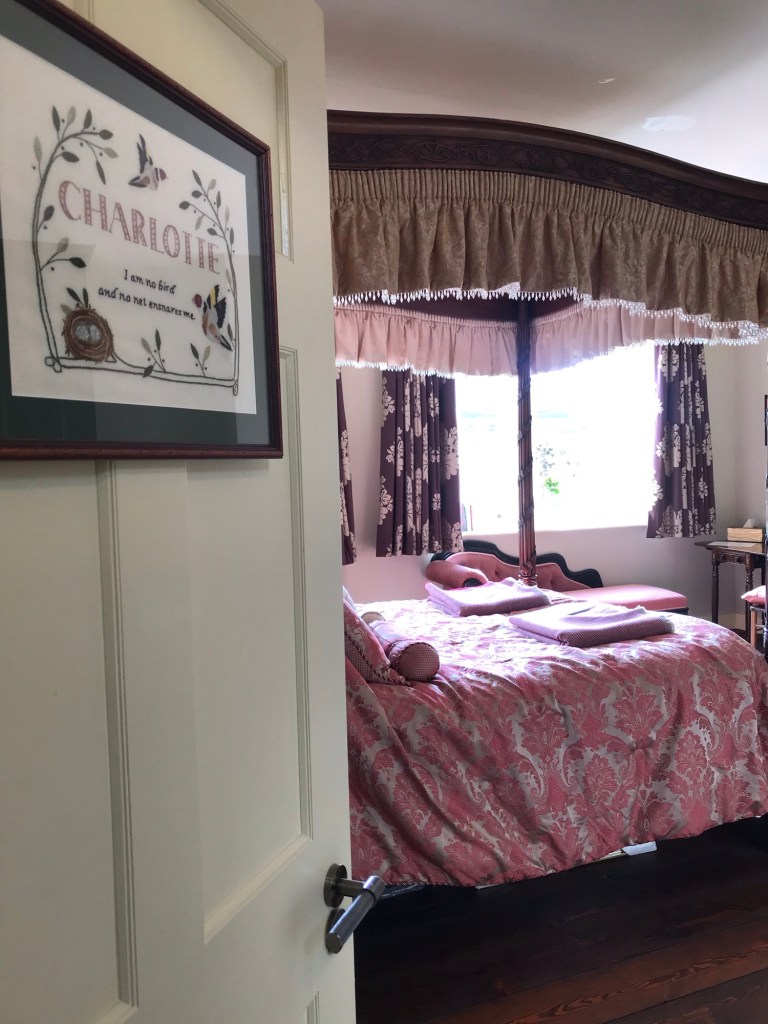
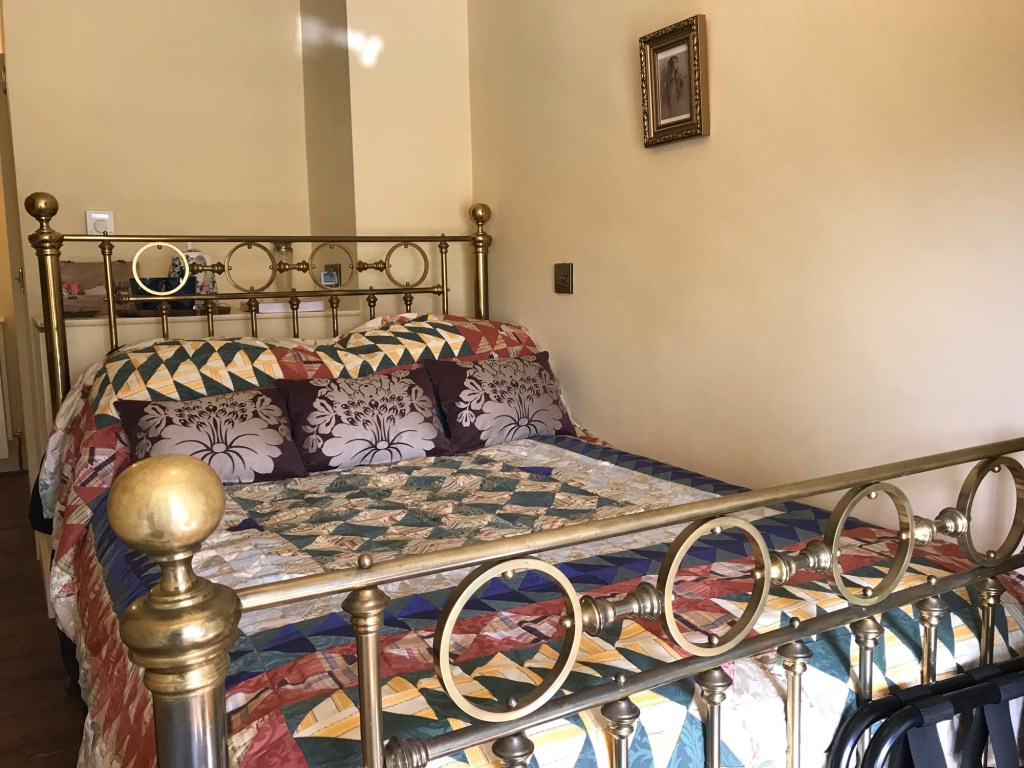
There are three rooms to choose from, appropriately named Charlotte, Emily and Anne, depicted above. Charlotte is the biggest room. When the Brontë family lived here this was divided into two rooms – Patrick’s dressing room, and the bedroom where the children slept. So yes, you can actually sleep in the same room as the famous sisters! The room named Emily was Patrick and Maria’s bedroom – as someone on our visit quipped, the room in which the sisters were conceived! The smallest room is Anne. All sleep up to two people, and are en suite.
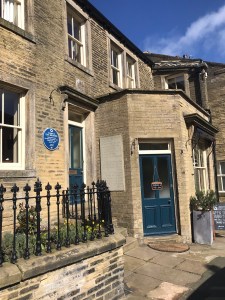
The Brontë Birthplace Entrance – Photo by Jane Roberts

The cultural space also contains an intimate cafe in which to relax, contemplate, chat, soak up the atmosphere and see that famous fireplace which witnessed the arrival into the world of babies who would take the literary world by storm.

Step outside and there’s even more Brontë history to explore. There’s the ruins of the Chapel of St. James, better known as The Brontë Bell Chapel, a late medieval church rebuilt in 1612 and again in 1818 under Patrick Brontë’s curacy. This was where the five youngest Brontës were baptised. The baptismal font is one of the artefacts on view in a Brontë exhibition in the 1870 replacement church of St. James across the road.
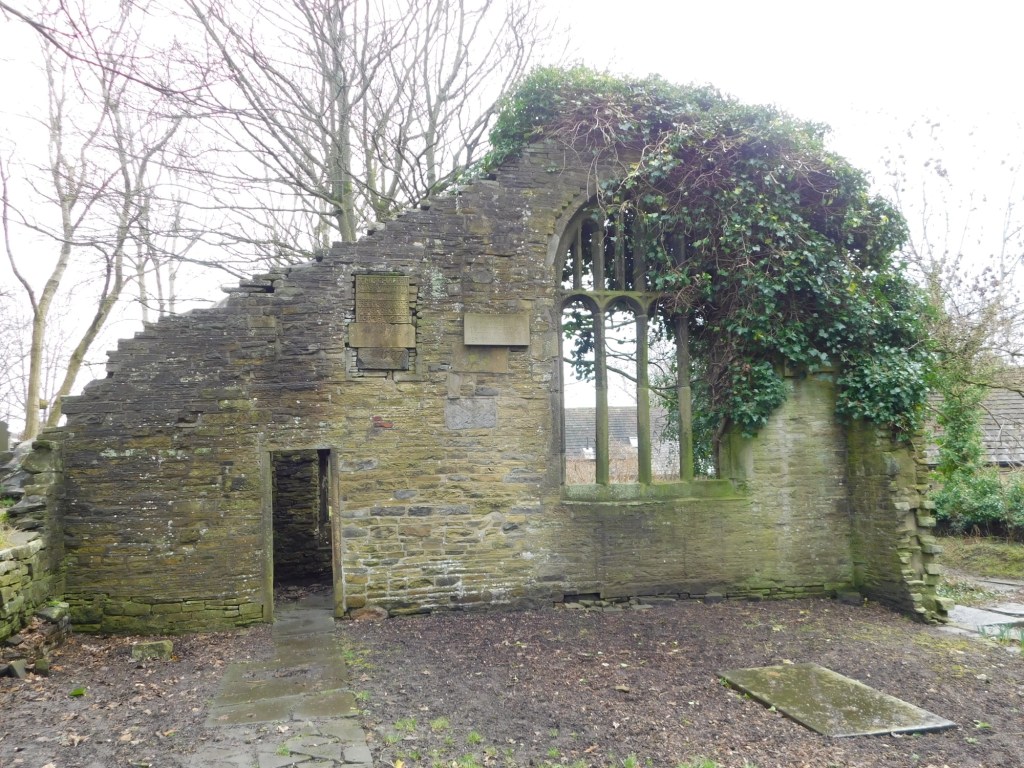
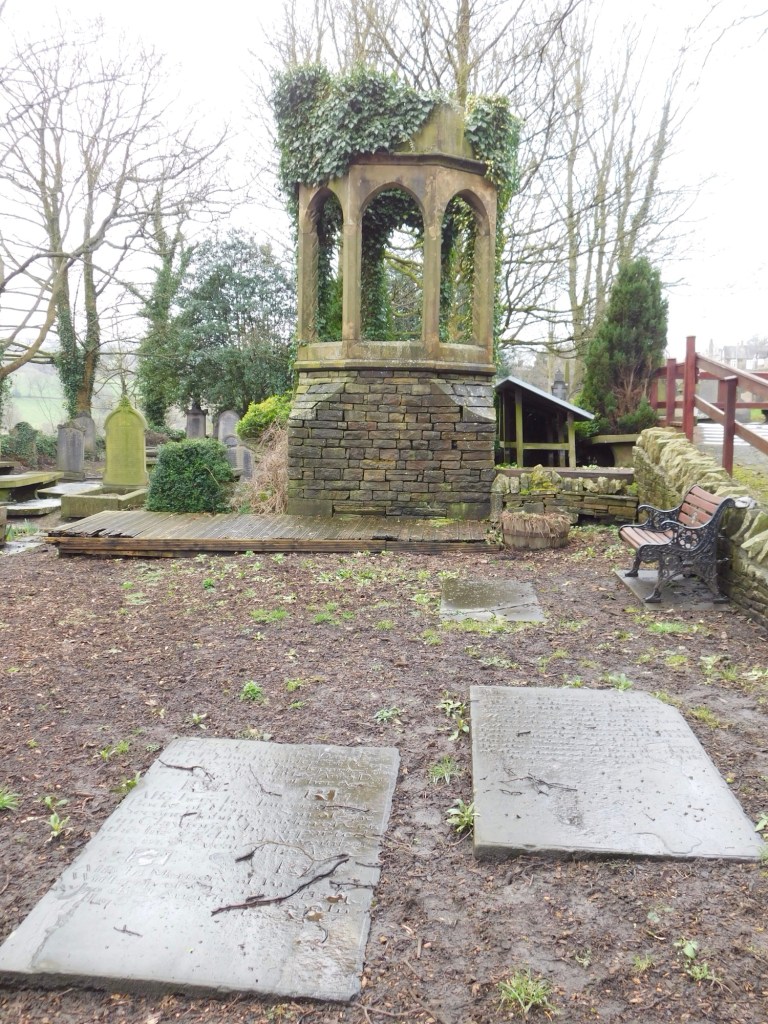
As Thornton is a little over six miles from Haworth, the iconic town typically associated with the Brontës, it is easy to combine a visit to both the Brontë Birthplace, the Bell Chapel, Haworth Parsonage and the Church of St. Michael and All Angels for a cradle-to-grave Brontë day out.

For more details about the Brontë Birthplace, including opening hours, booking and events information, click here.

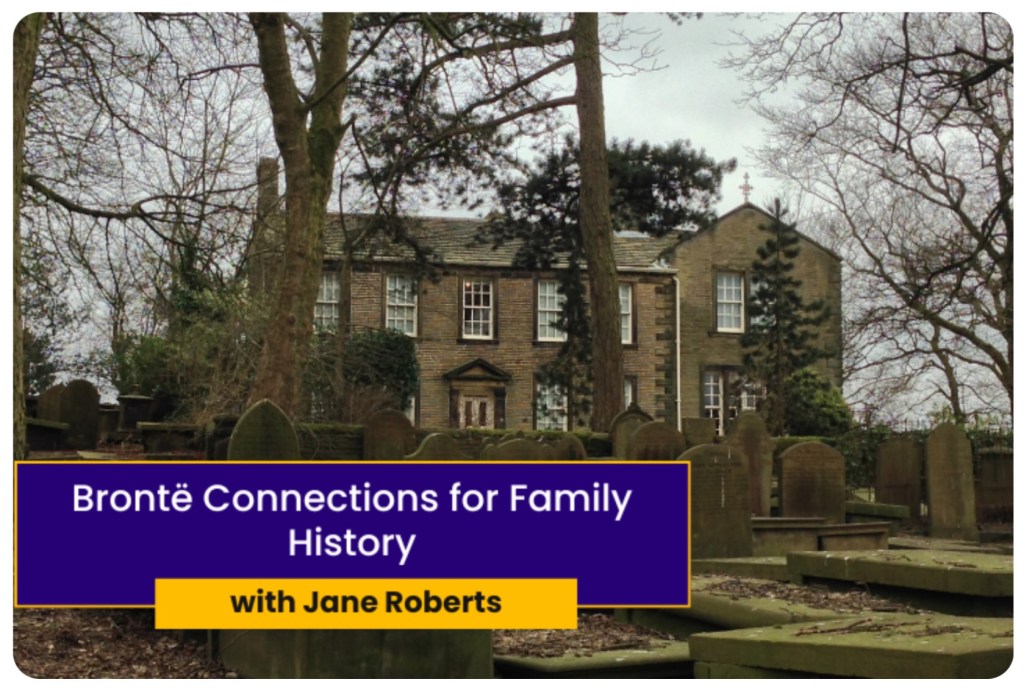
If that has piqued your interest in Brontë family history, I will be giving an online talk on 25 April 2026 for the Society of Genealogists about Brontë Connections for Family History. More details can be found here, with the Society of Genealogists booking details here.
Online Talk in April: Brontë Connections for Family History

A quick heads up for an online talk I will be giving via the Society of Genealogists on 25 April 2026. Don’t switch off at this point if you’re not a member – it is open to anyone.

If you follow this blog, or any of my online social media accounts, you will know I live in an area packed with Brontë history, and I’m a frequent visitor to Haworth and other Brontë linked sites.

Well, I’m delighted that I’ve been asked to give an online talk all about exploring Brontë Connections for Family History.

Here’s the blurb about it, to give you some idea of what I’ll be covering:

The latest film adaptation of Emily Brontë’s dark, Gothic literary classic, Wuthering Heights, has triggered a fresh wave of Brontë-mania. A new generation of tourists are descending on the village of Haworth, keen to find out more about these world-famous sisters, and wanting to carve out their own slice of Brontë magic. But family historians can also channel into the Brontë family’s lives and literature, seeking their own Brontë connections and research inspiration. Jane’s talk will give you some ideas of how, and where to look.

Those all-important booking details are here.

I’d love to see you there, as I’m immensely proud of where I come from, my area’s Brontë links, all things Brontë, and I might even let you in on my quest to find my links to this amazing literary family!

You never know, as a result you may have ideas and inspiration to see how your family history might be connected.

A Slice of Brontë History With My Coffee

I’ve been immersed in Brontë history since my many childhood family visits to Haworth – mum, dad, my brother and I all crammed into my auntie and uncle’s little orange mini. These visits created so many happy family memories, and continue to do so as I’ve regularly visited the village ever since. I’ve explored the surrounding moors, with the highlight being my walks to Top Withens, with its association with Emily Brontë’s dark and tortured novel, Wuthering Heights. If you’d to ask me my all-time favourite novel, without hesitation I would say it was this one.

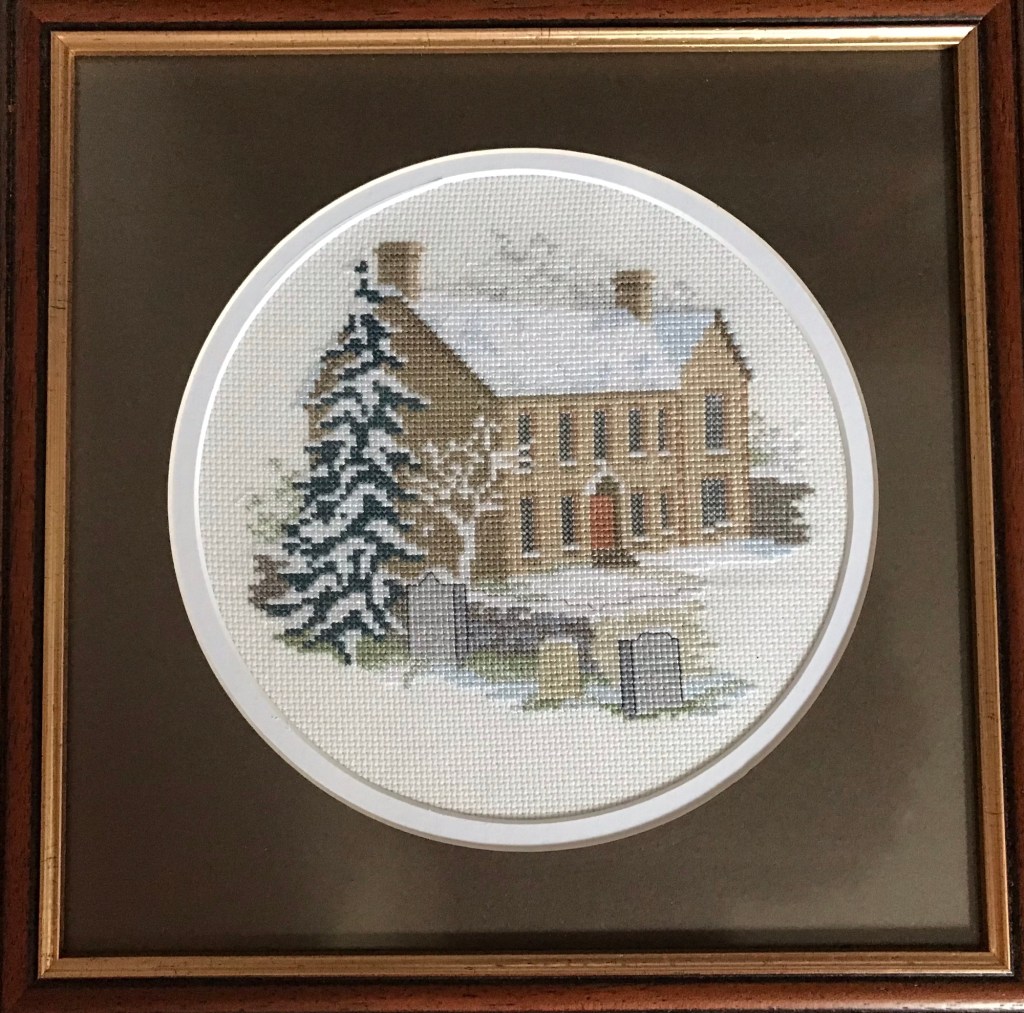
The parsonage holds such a special significance that not only do I feel compelled to take a photograph of it each visit, I’ve even stitched it.

My cross stitch picture of the Haworth parsonage – photo by Jane Roberts

I thought I’d seen everything Brontë-linked in my Haworth visits. But today, totally unexpectedly, I came across an absolute gem.

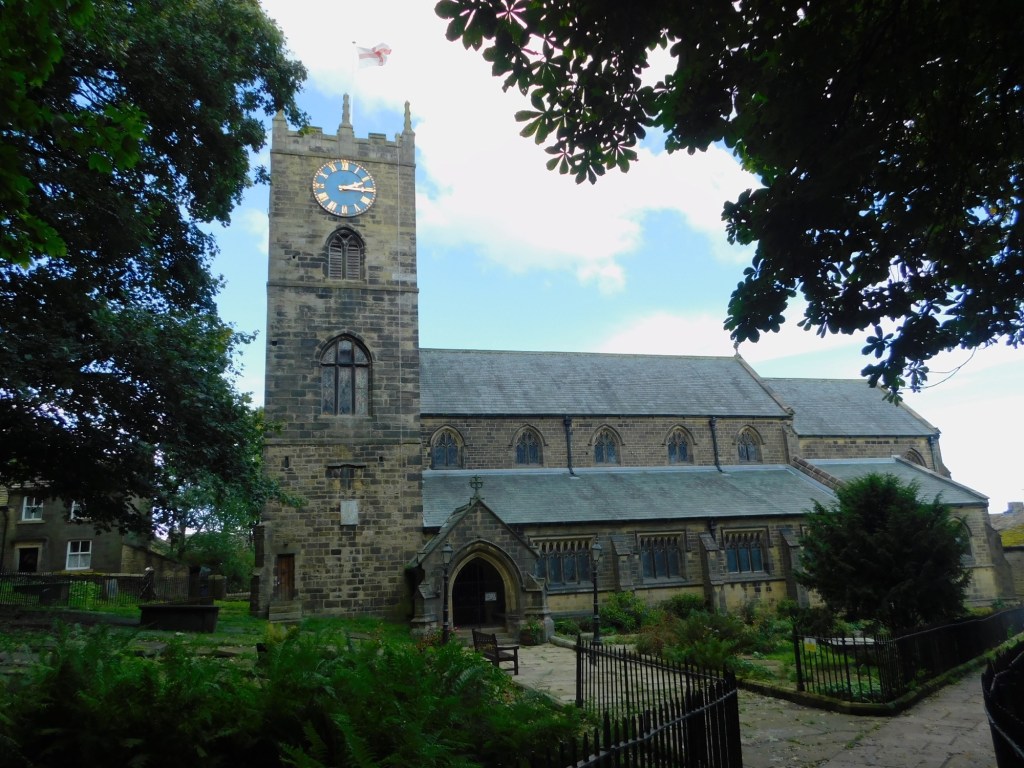
After my usual visit to the church of St Michael and All Angels, where Patrick Brontë (father of Charlotte, Emily and Anne) was vicar from 1820-1861, back on Main Street I spied a new café, Haworth Old Post Office. Nestled next to the church it seemed the perfect place for a sit down in the – all to rare this summer – sun with a coffee, watching the world go by.

St Michael and All Angels Church, Haworth – photo by Jane Roberts

There was a real sense of being surrounded by Haworth history. Fronting onto Main Street, the old stocks were adjacent to our table.

The old stocks were moved from the side of the Black Bull to their current position in 1909 – photo by Jane Roberts

Just the other side of the church steps was the Black Bull pub. This millstone grit inn at the top of the steeply-cobbled hill of Main Street is a place intrinsically linked to (Patrick) Branwell Brontë, the wayward brother of Charlotte, Emily and Anne.

The Black Bull, Haworth – photo by Jane Roberts

But, as I discovered, Haworth Old Post Office has its own unique place in Brontë literary history. It was the Post Office during the time the famous literary sisters lived in Haworth, and from then up until its sale in 2022 it was owned by generations of the Hartley family.

As I discovered, the building has close associations with the Brontë family too. Branwell Brontë was reputed to have used the upstairs back room as a refuge to sleep off the excesses of his sessions of over-indulgence, waiting for Emily to light a candle in a parsonage window to signal the coast was clear for him to avoid his father and sneak back home.

Haworth Parsonage, 13 September 2024 – photo by Jane Roberts

But even more significantly, it was from this Post Office that the sisters posted their manuscripts to their London publishers, writing under their Currer, Ellis and Acton Bell writing pseudonyms. It was to here that their literary correspondence – and any related payments – were sent for them to pick up. And, amazingly, the old mellowed wooden counter in the café, stripped back and lovingly returned to its original state, is the very same Post Office counter at which the Brontë sisters stood almost 180 years ago.

It even has the original drawer where those precious manuscripts would have been placed prior to collection and onward transportation to their publishing house destinations: manuscripts which would ultimately contribute towards transforming the literary world, and eventually the place of female writers in it. What’s more, the café owners have an immense appreciation for the history of the building and are only too willing to share it, as I found out when I asked if I could have a look and take a photo.

The original counter coin drawer in The Old Haworth Post Office – photo by Jane Roberts

Earlier this year, whilst on an Association of Genealogists and Researchers in Archives (AGRA) visit to the Leeds Library, I had the immense privilege of handling a 1st edition of Charlotte Brontë’s posthumously-published novel, The Professor. Completed in 1846 it was her first novel. Rejected by many publishing houses in her lifetime, I now wonder was this a manuscript sent from Haworth Old Post Office?

Me touching history. And yes, I’ve even got a Brontë-inspired handbag!

You really can picture the trailblazing sisters standing before the counter, clutching their precious manuscripts, entrusting them to the postmaster and hoping against hope that the tales they had weaved, and poetry they had crafted, would be recognised as worthy of publication.

The place is a must for those on the Brontë heritage trail. And even if you’ve absolutely zero interest in the Brontë sisters (a rarity), the café serves a superb cappuccino and mocha coffee along with some fantastic food.

My coffee is on its way – photo by Chris Roberts

For more about the Haworth Old Post Office, their website is here.

I’ll leave you with a final couple of images from the café’s specially designed bookmark with the words from their Blue Plaque, and some of the building’s history as a Post Office.