
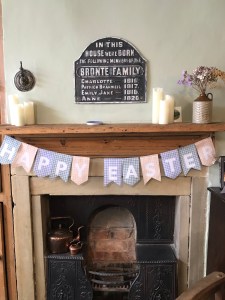
If you’ve followed my blog you will know I occasionally write about aspects of Brontë family history. Well, this post is about the very spot which marks the genesis of these literary geniuses.
It is the exact house in which, between April 1816 and January 1820, Charlotte, Patrick Branwell, Emily Jane and Anne Brontë were born. Oral tradition is that their mother, Maria, gave birth to at least one of her children in front of the parlour fireplace, a fireplace which still exists today. This house is remarkable in being the only place which can literally call itself The Brontë Birthplace.
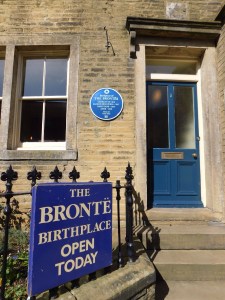
Their parents Patrick and Maria, along with their older siblings, Maria and Elizabeth, moved here in May 1815 when Patrick took up the position of curate in the West Riding village of Thornton. It remained their home until May 1820 and Patrick’s Haworth appointment. Later Patrick Brontë said of Thornton “My happiest days were spent there.”
The house is a must-visit for anyone with an interest in the Brontë sisters, the history of English literature or indeed every-day period buildings. David Sillito, the BBC’s Arts and Media correspondent, summed up its unrivalled historical significance as “The most important literary birthplace anywhere in the world, with three of the world’s most famous authors born there.”
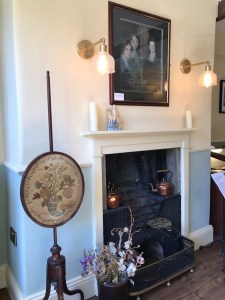
Not only can you wander round the various furnished rooms and soak up the atmosphere, but you can sleep in the very bedrooms the Brontë family slept in over two centuries ago. For any Brontë aficionado that is an unmissable experience.
Located at 72-74 Market Street, Thornton, West Yorkshire, this Historic England Grade II* Listed Building’s pivotal position in Brontë history has long been recognised. It did at one point briefly become a museum, but it has also served as a butcher’s shop and restaurant over the years.
Ambitions around its long-term preservation were expressed as long ago as 1911. This ambition finally came to fruition on 15 May 2025 when Her Majesty Queen Camilla performed the official opening. But that does not do justice to the community aspects behind it, including crowdfunding efforts, and approaching 800 people contributing to a share scheme to directly invest in preserving Brontë history for future generations. These fundraising methods, alongside traditional grants including from Bradford City of Culture 2025, enabled a Community Benefit Society to acquire the building in March 2024. The Brontë birthplace is the epitome of community activism perpetuating cultural heritage on behalf of the nation.
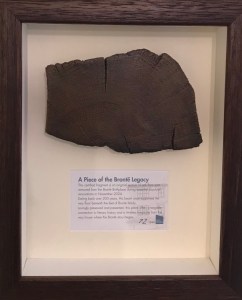
Between acquisition and the opening, the building was lovingly, and sympathetically, restored, and is packed with period features and furnishings. As part of the process, one of the original beams which could not be used, was salvaged to create a limited edition series of framed artworks available to purchase, thus helping with running costs and giving Brontë enthusiasts the opportunity to own their own piece of Brontë history. 240 were created, and they have proved so popular only a few remain. For more details, including how to bag one of the last pieces, click here.
A Brontë Birthplace visit has been on my to-do list ever since I heard about plans to open it to the public. I finally ticked it off this February (2026), booking one of the guided tours. I highly recommend this option, especially for a first visit. It was information-packed, with plenty of time for questions along the way too. I enjoyed it so much that I revisited in March, on a self-guided wander round the house, immersing myself in the surroundings and absorbing the calm, peaceful atmosphere.
I definitely intend revisiting, including hopefully for an overnight stay.
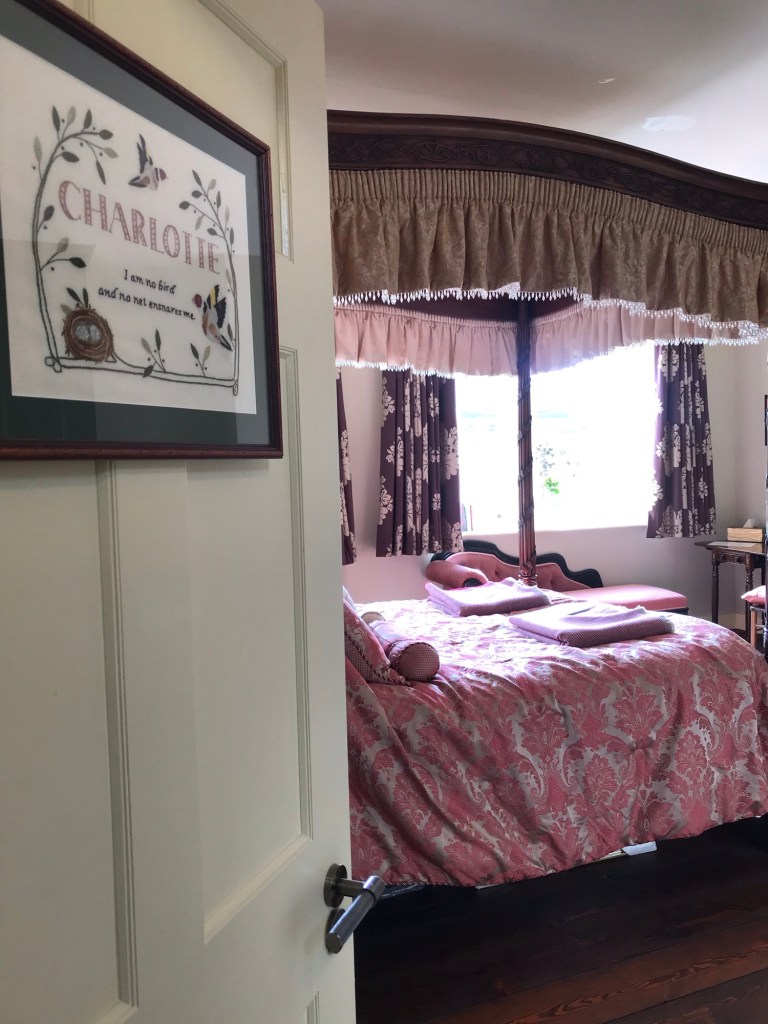
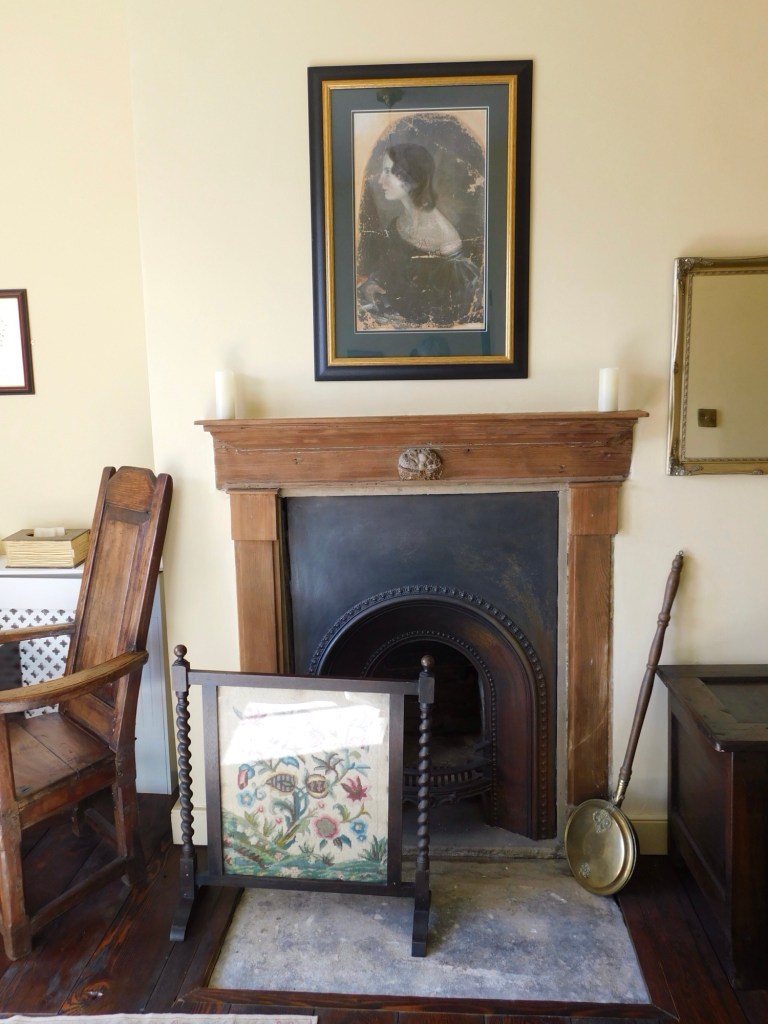
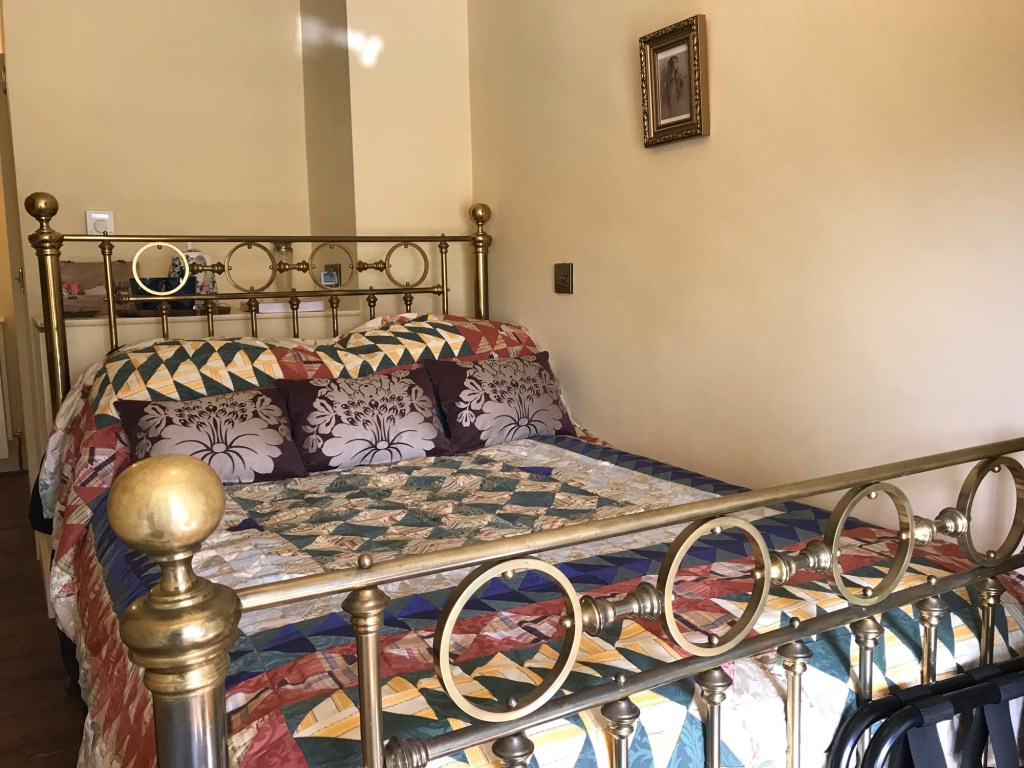
There are three rooms to choose from, appropriately named Charlotte, Emily and Anne, depicted above. Charlotte is the biggest room. When the Brontë family lived here this was divided into two rooms – Patrick’s dressing room, and the bedroom where the children slept. So yes, you can actually sleep in the same room as the famous sisters! The room named Emily was Patrick and Maria’s bedroom – as someone on our visit quipped, the room in which the sisters were conceived! The smallest room is Anne. All sleep up to two people, and are en suite.
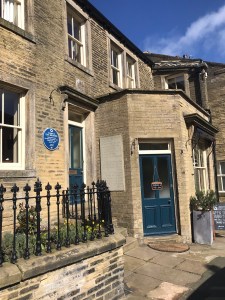
The cultural space also contains an intimate cafe in which to relax, contemplate, chat, soak up the atmosphere and see that famous fireplace which witnessed the arrival into the world of babies who would take the literary world by storm.
Step outside and there’s even more Brontë history to explore. There’s the ruins of the Chapel of St. James, better known as The Brontë Bell Chapel, a late medieval church rebuilt in 1612 and again in 1818 under Patrick Brontë’s curacy. This was where the five youngest Brontës were baptised. The baptismal font is one of the artefacts on view in a Brontë exhibition in the 1870 replacement church of St. James across the road.
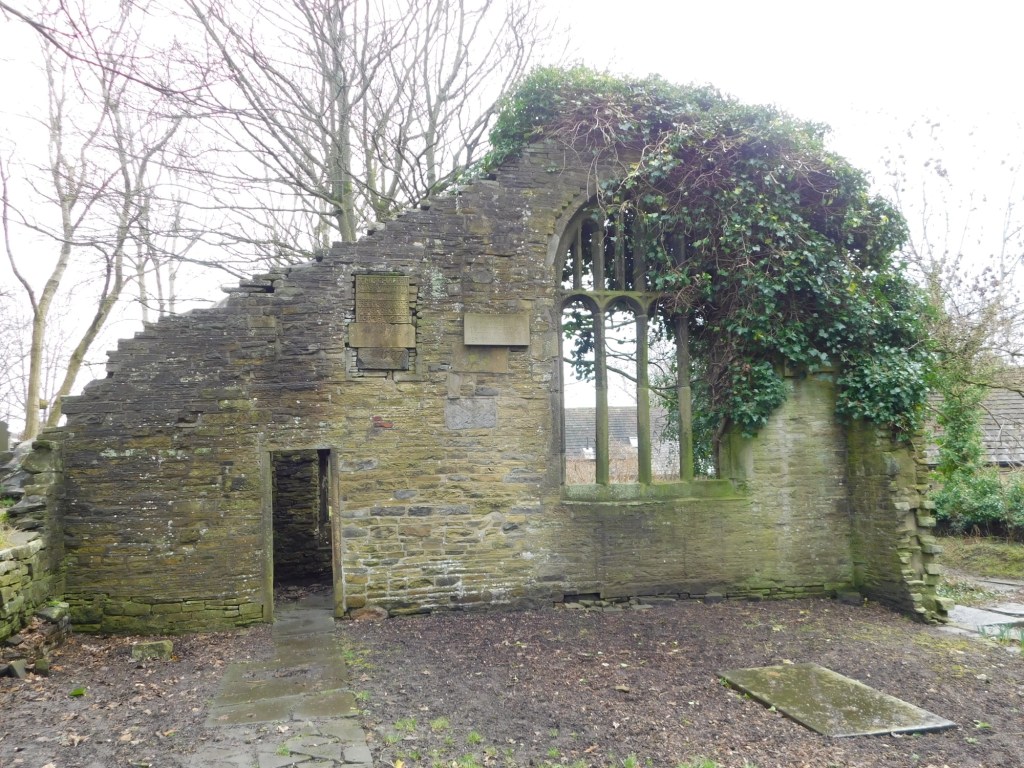
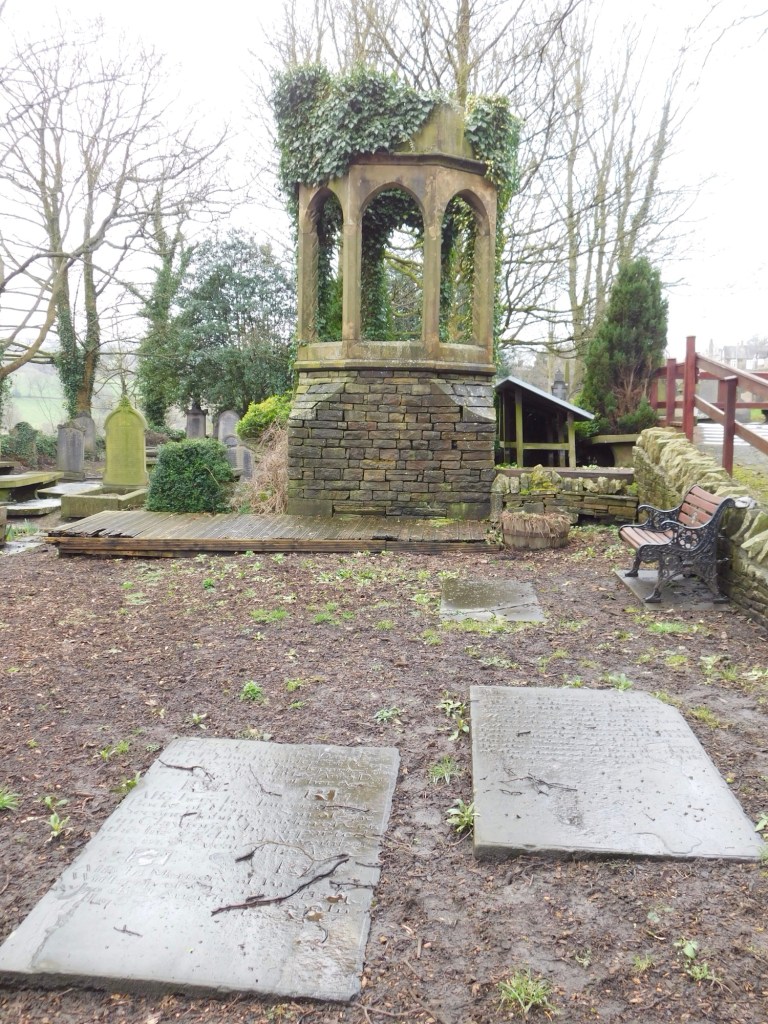
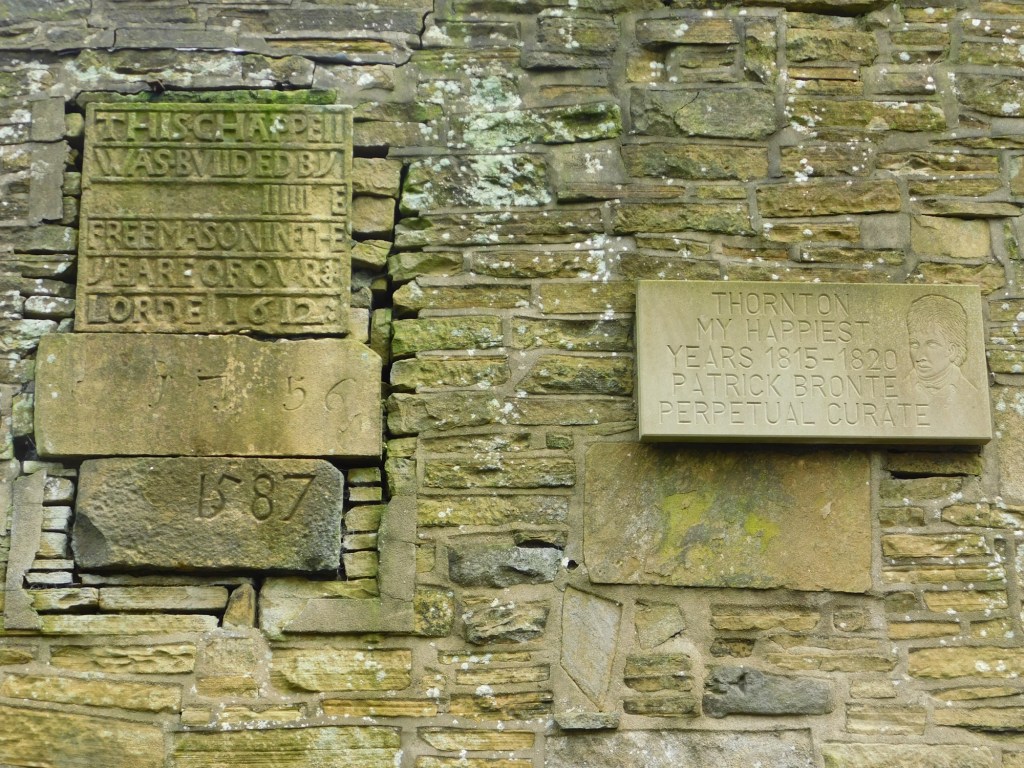
As Thornton is a little over six miles from Haworth, the iconic town typically associated with the Brontës, it is easy to combine a visit to both the Brontë Birthplace, the Bell Chapel, Haworth Parsonage and the Church of St. Michael and All Angels for a cradle-to-grave Brontë day out.
For more details about the Brontë Birthplace, including opening hours, booking and events information, click here.
If that has piqued your interest in Brontë family history, I will be giving an online talk on 25 April 2026 for the Society of Genealogists about Brontë Connections for Family History. More details can be found here, with the Society of Genealogists booking details here.


 Past To Present Genealogy